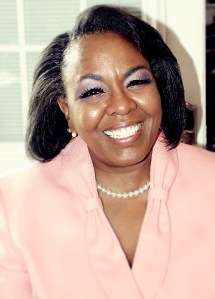
I was all smiles during my first visit to Newport News, Virginia on May 23rd!
Armed with a fierce determination to brave the snow and cold, I drove from Cleveland, Ohio to my new home in the Metro DC area on March 1, 2016. I was convinced that life in the Mid-Atlantic region would be both challenging and rewarding. On my 100th day here–with sunshine and 90-degree temperatures in the forecast, I can honestly say that the District has not disappointed me!
My work and play activities have included conducting research and assisting with volunteer programs at libraries and museums, filing the articles of incorporation for The RASHAD Center, corresponding with scholars in the United States and Nigeria, attending meetings, concerts, conferences, and weekly movies; participating in my first Cherry Blossom Festival, shopping and dining at nearby malls, attending Sunday services at Howard University, 19th Street Baptist Church, and Shiloh Baptist Church; traveling to various cities in Maryland and Virginia–sometimes on the same day; taking road trips to Cleveland to visit family, and setting aside much-needed downtime for listening to gospel, jazz, and classical music. While these activities were really incredible, the challenges were also quite real.
Daily media reports about problems with the Metro train service–including delays, safety concerns, and single-tracking have taught me to be observant and flexible, but not fearful. There is also no shortage of media reports about–and personal observations of– the social and economic issues that challenge residents of the Metro DC area. I remain, convinced, however, that the region also offers opportunities for engagement in meaningful work that will positively impact the lives of others and help to transform America’s cities.
I really do believe that moving to the nation’s capital was a capital idea!
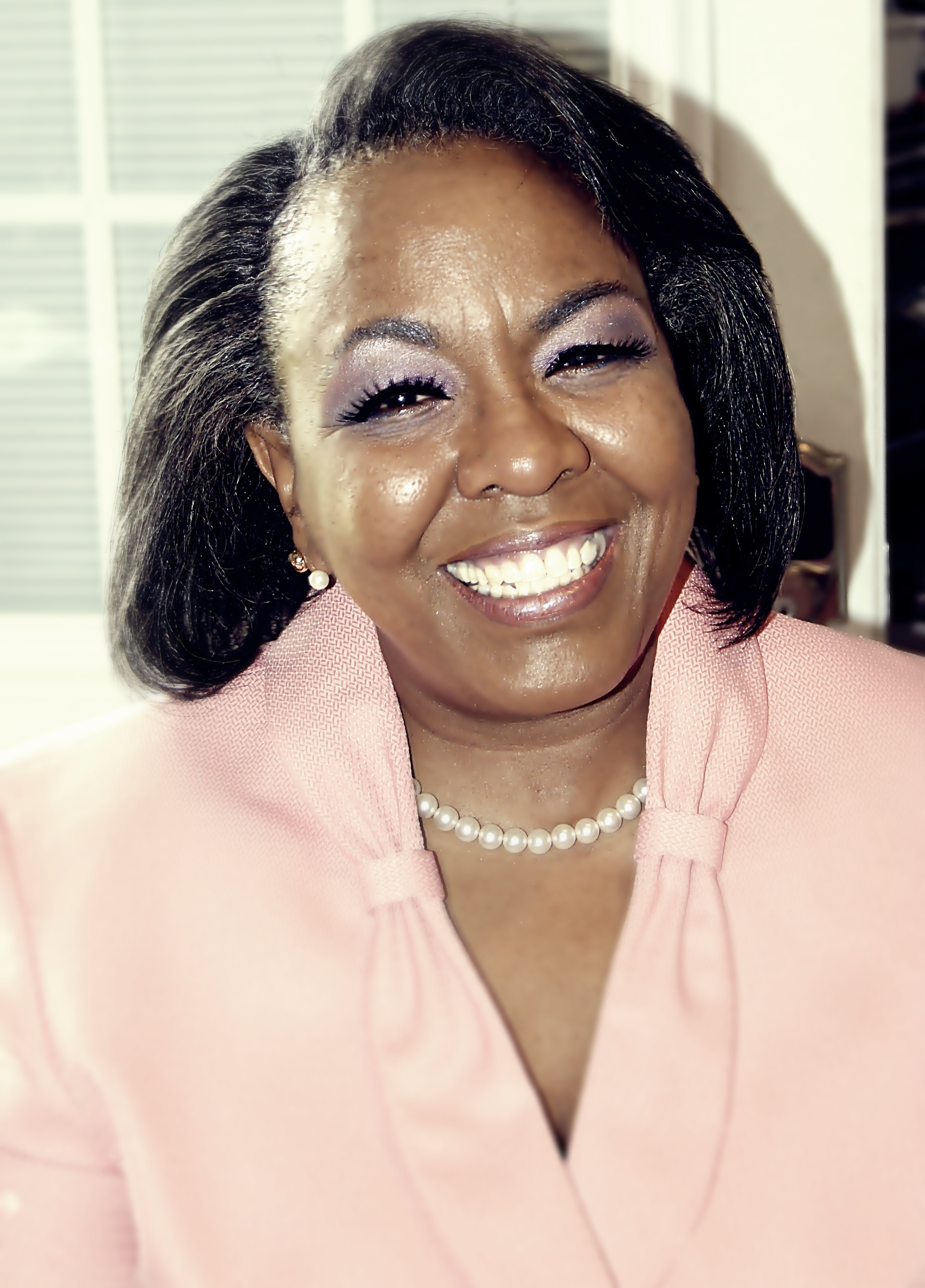
Regennia Nanette Williams, PhD

About Dr. Regennia N. Williams, Founder, President, and Executive Director
Dr. Regennia N. Williams is the Founder and Executive Director of The RASHAD Center, Inc., a Maryland-based non-profit educational corporation.
Williams holds a PhD in Social History and Policy from Case Western Reserve University in Cleveland, Ohio. A native Clevelander and a four-time alumna of Cleveland State University, information on RASHAD's “Praying Grounds, African American Faith Communities: A Documentary and Oral History” project is now available online at www.ClevelandMemory.org/pray/, a site that is maintained by CSU's Library Special Collections, home of the Praying Grounds manuscript collections. Praying Grounds was the primary inspiration for the launching of the Initiative for the Study of Religion and Spirituality in the History of Africa and the Diaspora (RASHAD) at CSU, and links to RASHAD's scholarly journal and newsletter are also available on the Praying Grounds site. On April 28, 2020, the RASHAD Center, Inc. became a tax-exempt 501(c)(3) nonprofit organization.
In 2010, Dr. Williams was a Visiting Fulbright Scholar at Nigeria’s Obafemi Awolowo University, where she taught history and directed a RASHAD-related oral history project that focused on the role of religion in recent Nigerian social history. Other research-related travels have taken her to Canada, China, France, South Africa, and Austria.
In 2013, she conceived and produced “Come Sunday @ 70: The Place of Duke Ellington’s Sacred Jazz in World History and Culture, c. 1943-2013,” a project that included scholarly presentations and performing arts activities. From September 1993 until May 2015, she was a faculty member in the Department of History at Cleveland State University. She served as a Fulbright Specialist at South Africa's University of the Free State in the summer of 2019, and completed a short-term faculty residency at Howard University in the fall of 2019. She is based in Cleveland, Ohio.
As a public scholar, her current research projects focus on African American history and culture, especially as it relates to music, religion, and spirituality. She is a member of the Oral History Association, the Western Reserve Historical Society, and the National Museum of African American History and Culture.


 The RASHAD Center, Inc.