Queen Esther Marrow
Regennia N. Williams, PhD
During a year-long journey through recent jazz history, I discovered that many artists continue to view jazz as spiritual music. Others describe it as nothing less than divine. Some even borrow a line from Duke Ellington and suggest that the music is “beyond category.” My work as an oral historian is allowing me to gain a better understanding of the evolving meaning of jazz–for artists and audiences alike.
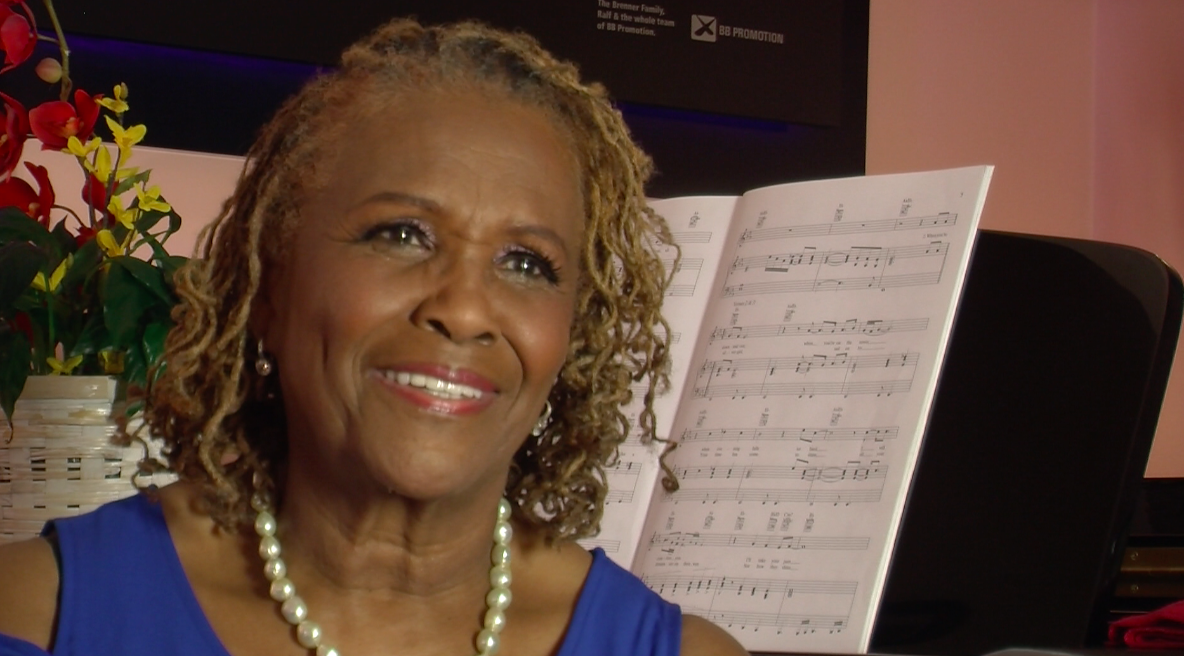
In May 2016, I had the pleasure of interviewing Ms. Queen Esther Marrow for RASHAD’s Praying Grounds Oral History Project. Marrow, an incredible alto vocalist, sang “Come Sunday” and other solo works during the premiere performance of Duke Ellington’s 1965 Concert of Sacred Music. (If you follow this link for Come Sunday, you can hear her rendition of this classic, beginning at minute 44 of the YouTube video.)
Having performed with Ella Fitzgerald, Lena Horne, Mahalia Jackson, and other legends, Marrow’s singing career continues unabated. In recent years, this soulful singer and current resident of Newport News, Virginia founded the Harlem Gospel Singers, and she has toured and performed with this group throughout Europe.
Brother Ah
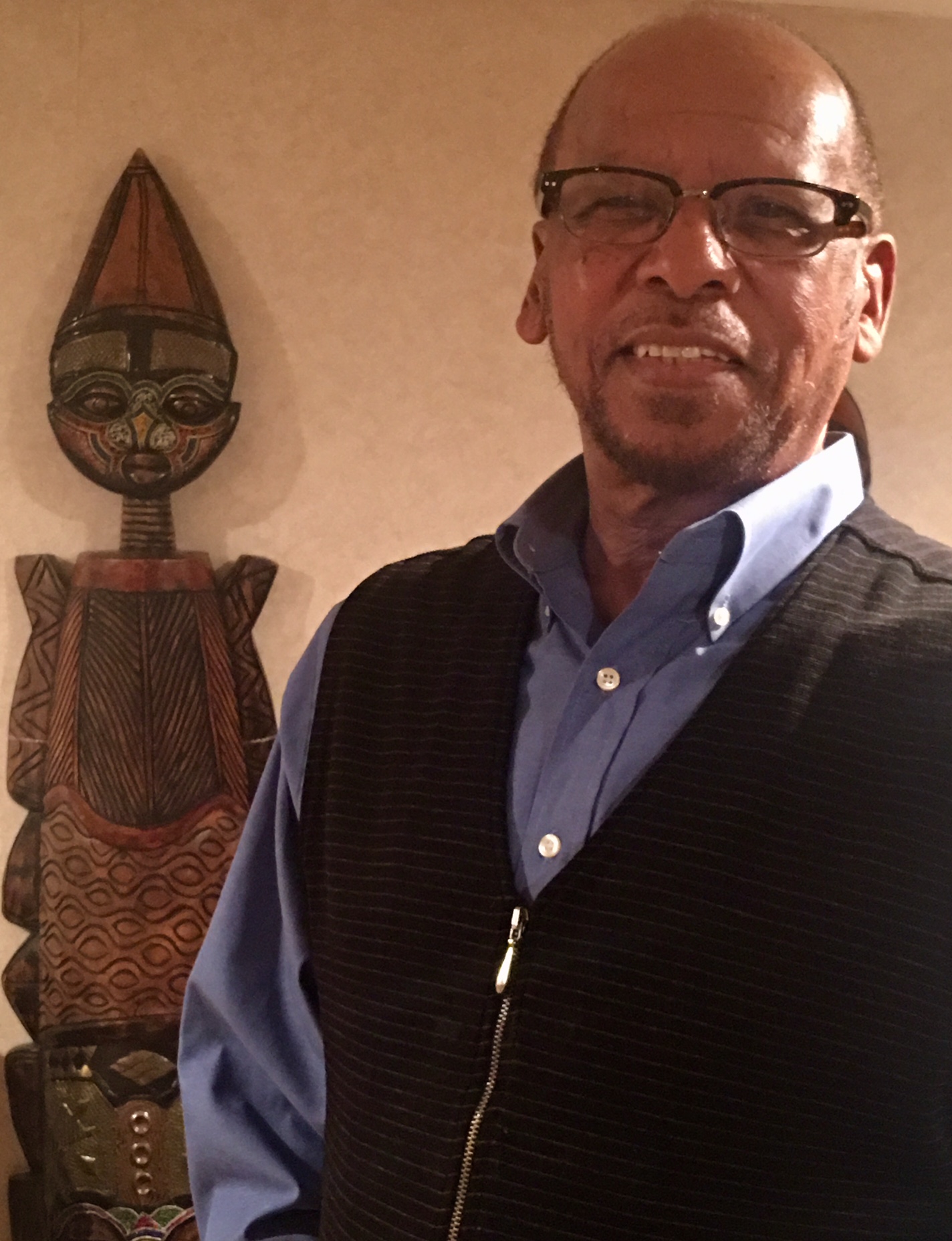
In May 2017, the Rev. Dr. Sandra Butler-Truesdale and I finished up round one of our series of interviews for the Washington DC Jazz Oral History Project. The final session for this series focused on the life and work of Brother Ah (Mr. Robert Northern), an 83-year-old DC resident, radio programmer, and multi-instrumentalist, whose credits include work with Miles Davis, John Coltrane, Sun Ra, and Thelonious Monk, among others. Manufactured Recordings recently released Brother Ah’s three-album set, “Divine Music.”
Marrow and Brother Ah are two of the 21 artists and/or friends of the musical arts who have shared oral history narratives, photographs, and other materials with our research team. We look forward to conducting additional interviews and sharing this history with you, through the Washington DC Jazz book (forthcoming from Arcadia), and other publications, public programming, and archival collections.
Special thanks to the individuals listed below for taking the time to speak with us from May 2016 through May 2017:
Kush Abadey
Nasar Abadey
Brother Ah (Robert Northern)
The Rev. Dr. Sandra Butler-Truesdale
The Rev. Dr. Ginger Cornwell
Donald Edwards
Chip Ellis
Keanna Faircloth
Janine Gilbert-Carter
Je’Lan Harwell
Kim Jordan
Manuel Kellogh
Queen Esther Marrow
Mark Meadows
Aaron Myers
Jeffrey Neal
Lavenia Nesmith
Moshe Snowden
Coniece Washington
Lori Williams
Rainy Williams


 The RASHAD Center, Inc.