
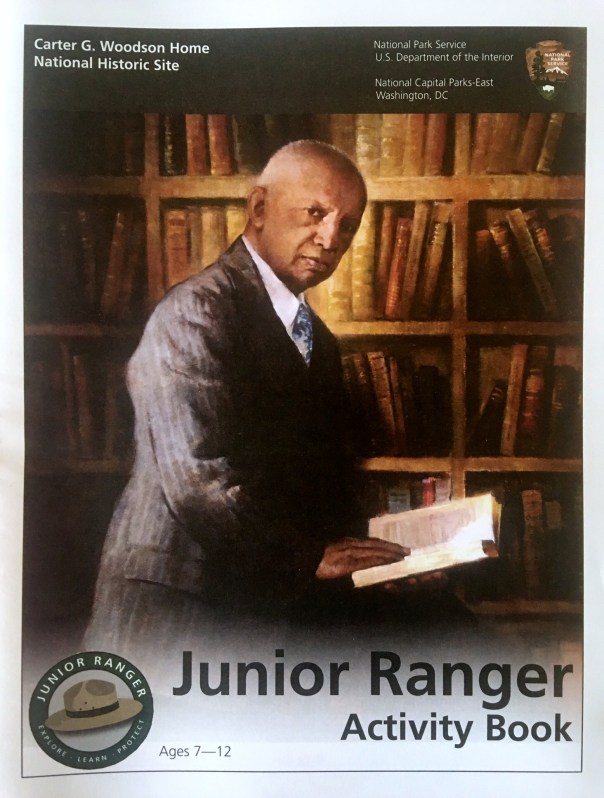
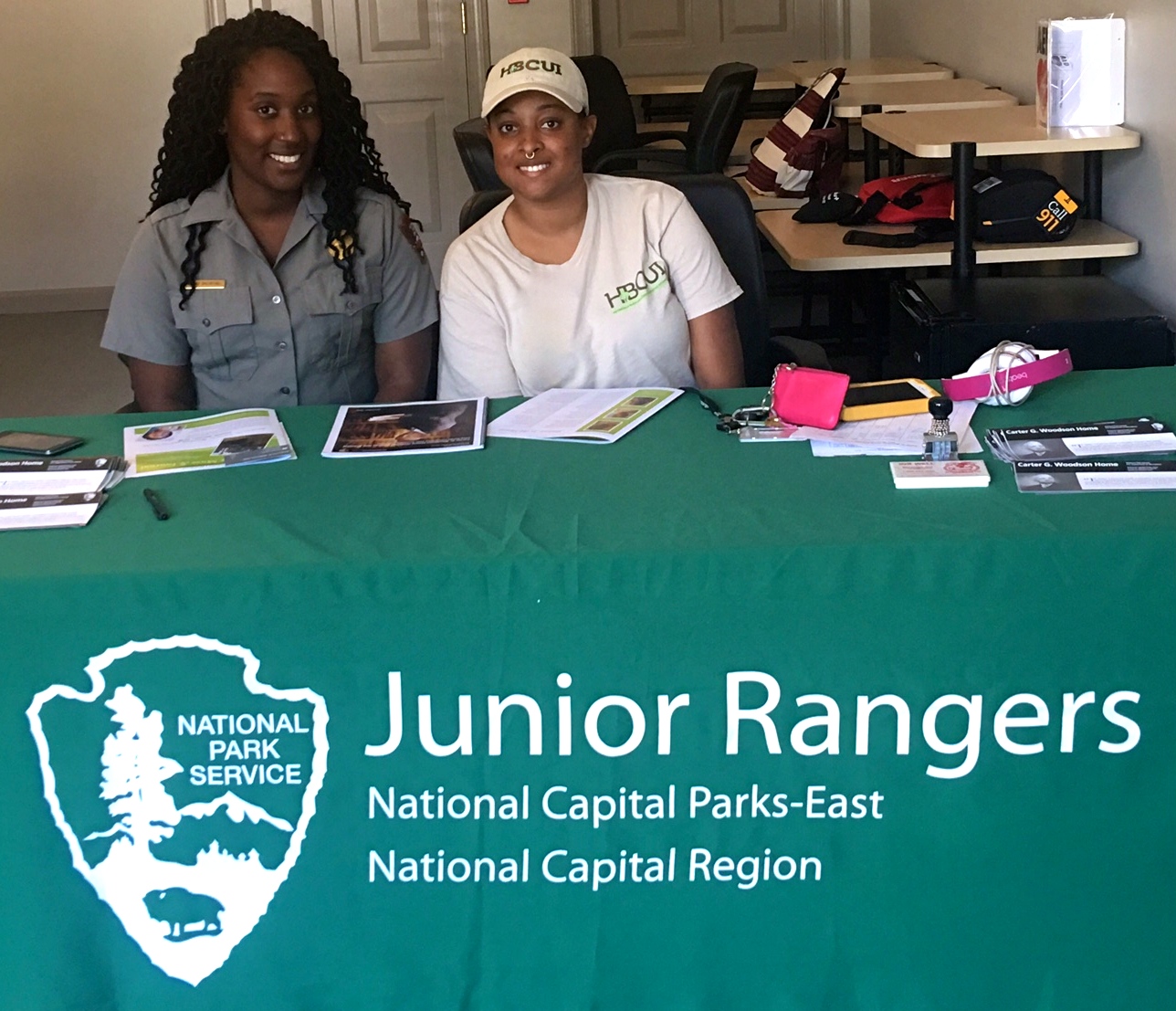
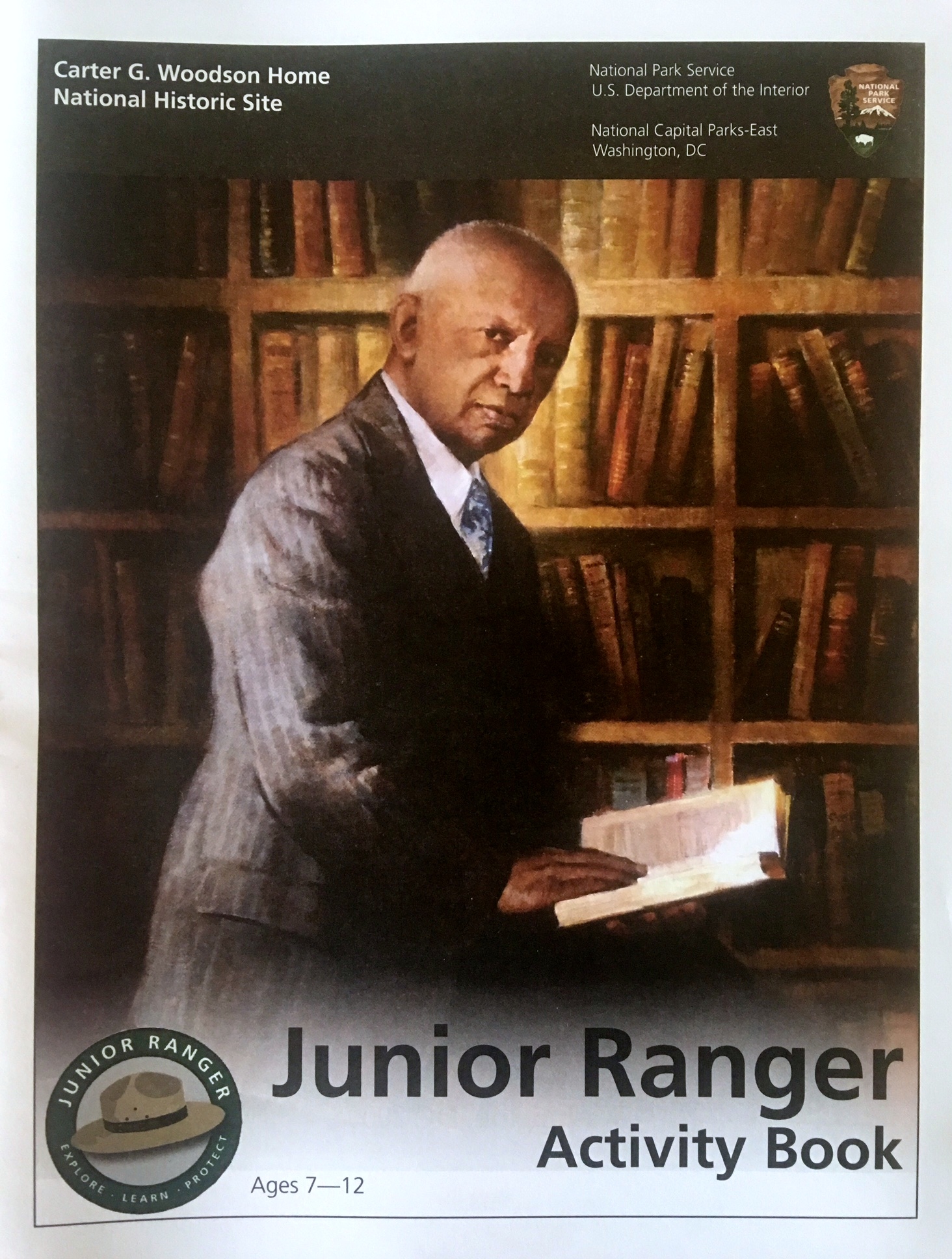
Rangers from the National Parks Service and interns working with the Historically Black Colleges Initiative (HBCUI) have a wonderful way of welcoming visitors to the Carter G. Woodson Home National Historic Site in the Shaw-Howard Community.
I am very fond of the people in Washington, DC’s Shaw-Howard Community–especially those who live, work, and worship on or near Ninth Street, NW. On any given Sunday, you are likely to see them heading to the historic Shiloh Baptist Church, dining at a New Orleans/Cajun/Creole-style restaurant, relaxing in the park, or visiting the Dr. Carter G. Woodson Home National Historic Site at 1428 Ninth Street. On two beautifully sunny days, the fourth Sunday in June and the first Sunday in July, many were willing to smile for my camera, so I decided to share a few of my photos, their smiles, and a little of that reflected sunsine with the readers of my blog and newsletter this month. ENJOY!

The Dr. Carter G. Woodson Home National Historic Site.
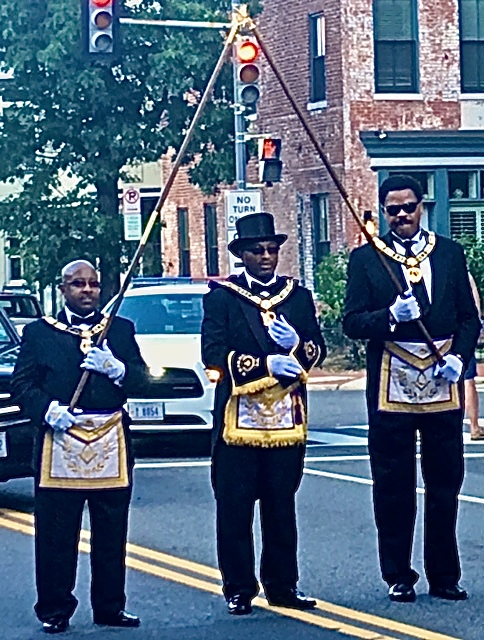
On the afternoon of Sunday, June 25, 2017, hundreds of Prince Hall Masons marched in a grand parade down Ninth Street, NW and gathered at the Shiloh Baptist Church for a special program.
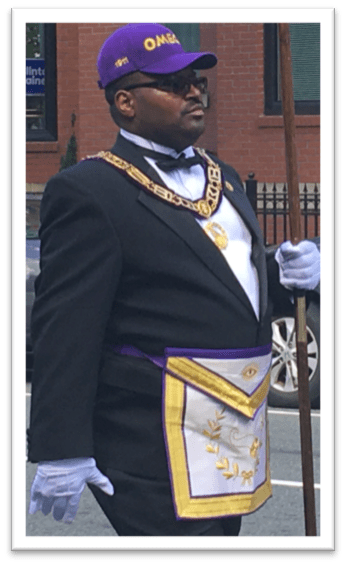
Everything about this gentleman–from his Omega Psi Phi hat to the regalia of the Prince Hall masons–reminds onlookers of the rich traditions of African American fraternal and benevolent organizations.
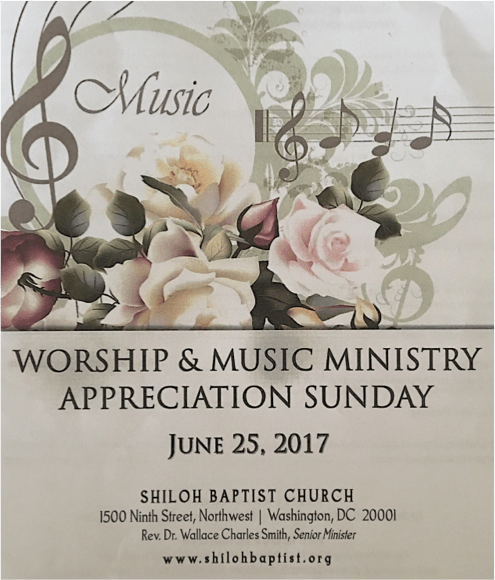
The congregation at Shiloh Baptist Church has a special welcome song for guests which says in part, “Ninth and P is the place to be. We are glad you’re here today!”
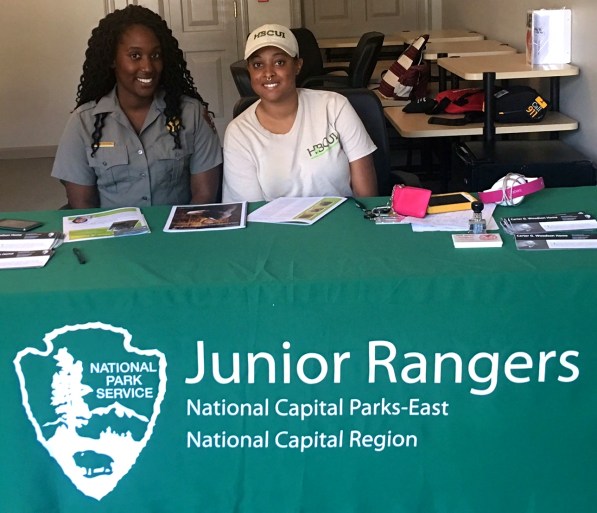
People of all ages, including Junior Rangers, are sure to find something that will make them smile in Shaw-Howard!
 For more information on the NPS and its work in the Howard-Shaw Community, please visit https://www.nps.gov/cawo/index.htm.
Save
Save
Save
Save
Save
Save
Save
Save

About Dr. Regennia N. Williams, Founder, President, and Executive Director
Dr. Regennia N. Williams is the Founder and Executive Director of The RASHAD Center, Inc., a Maryland-based non-profit educational corporation.
Williams holds a PhD in Social History and Policy from Case Western Reserve University in Cleveland, Ohio. A native Clevelander and a four-time alumna of Cleveland State University, information on RASHAD's “Praying Grounds, African American Faith Communities: A Documentary and Oral History” project is now available online at www.ClevelandMemory.org/pray/, a site that is maintained by CSU's Library Special Collections, home of the Praying Grounds manuscript collections. Praying Grounds was the primary inspiration for the launching of the Initiative for the Study of Religion and Spirituality in the History of Africa and the Diaspora (RASHAD) at CSU, and links to RASHAD's scholarly journal and newsletter are also available on the Praying Grounds site. On April 28, 2020, the RASHAD Center, Inc. became a tax-exempt 501(c)(3) nonprofit organization.
In 2010, Dr. Williams was a Visiting Fulbright Scholar at Nigeria’s Obafemi Awolowo University, where she taught history and directed a RASHAD-related oral history project that focused on the role of religion in recent Nigerian social history. Other research-related travels have taken her to Canada, China, France, South Africa, and Austria.
In 2013, she conceived and produced “Come Sunday @ 70: The Place of Duke Ellington’s Sacred Jazz in World History and Culture, c. 1943-2013,” a project that included scholarly presentations and performing arts activities. From September 1993 until May 2015, she was a faculty member in the Department of History at Cleveland State University. She served as a Fulbright Specialist at South Africa's University of the Free State in the summer of 2019, and completed a short-term faculty residency at Howard University in the fall of 2019. She is based in Cleveland, Ohio.
As a public scholar, her current research projects focus on African American history and culture, especially as it relates to music, religion, and spirituality. She is a member of the Oral History Association, the Western Reserve Historical Society, and the National Museum of African American History and Culture.


 For more information on the NPS and its work in the Howard-Shaw Community, please visit https://www.nps.gov/cawo/index.htm.


 The RASHAD Center, Inc.