“I am very passionate about performing.” –Nia Alsop
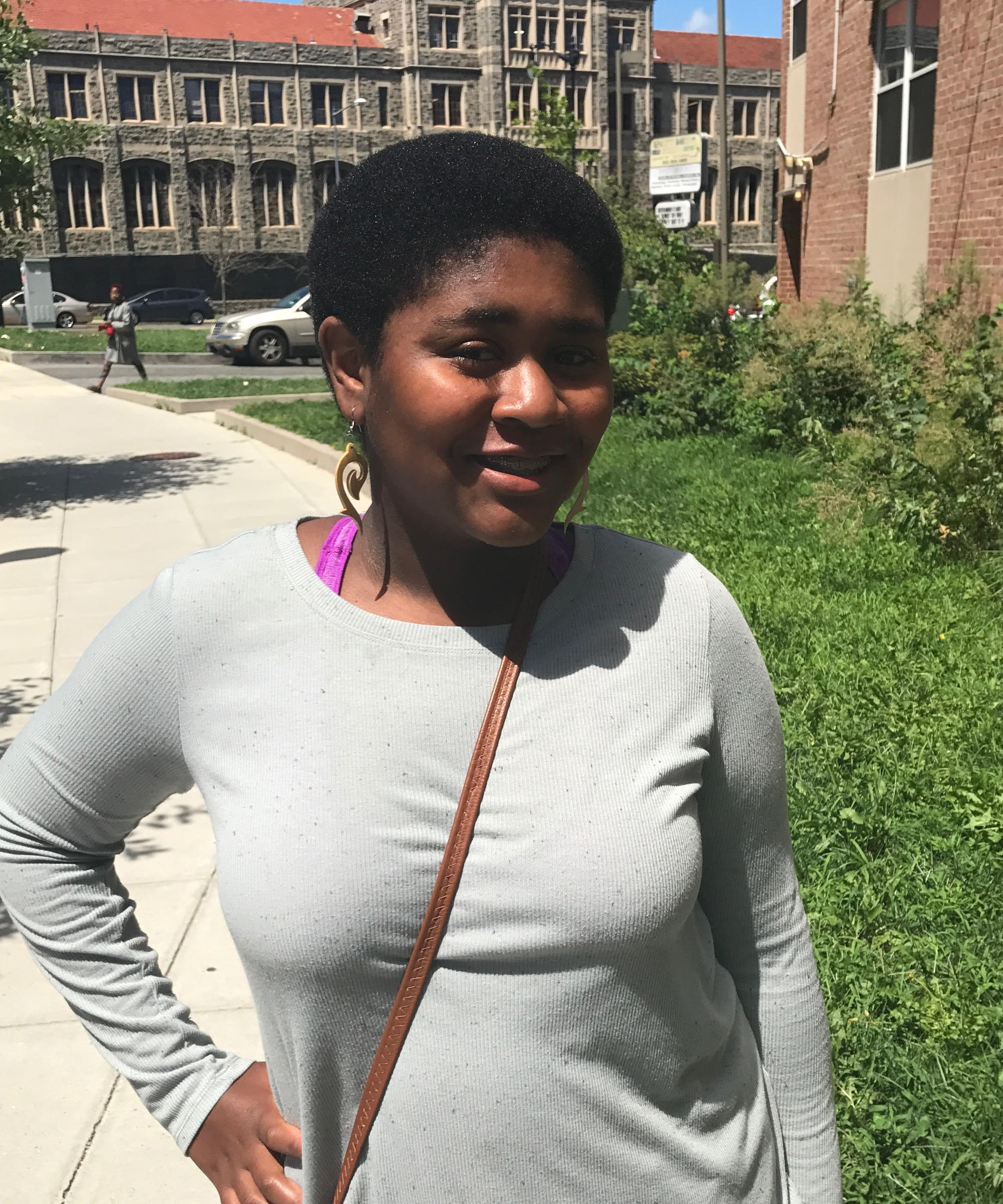
Nia Alsop
NIA ALSOP—a native of Baltimore, Maryland, is an alto who loves Jazz and musical theater. Born in 2004, she was one of the youngest narrators for the Washington DC Jazz Oral History Project. During her interview on January 15, 2018 – the 89th anniversary of the birth of the Rev. Dr. Martin Luther King, Jr.—Ms. Alsop discussed her musical mentors, teachers, and some of her favorite vocalists.
*The following passages are excerpts from the full interview.
“I have been a musician ever since I was five years old. My voice is my primary instrument of choice. I was born in Baltimore, Maryland in 2004. . .”
“My parents loved music, no matter the genre. I like a lot of Soul and Oldies, because that is what my mother listened to a lot, so those were my favorite genres. Now, I am more into musical theater and Broadway-style songs.”
“When I was younger, my mentor was my music teacher, Mrs. Latoria Pergerson. As I got older, it was Mrs. Denyse Pearson [-Williams]. She was my vocal coach. [Mrs. Pergerson] used to teach music at my elementary school, but now she has transferred over to my middle school, so she is still a vocal teacher for me [in 2017].
“Most of the time, I’m singing with my school ensemble, but sometimes solo vocal opportunities present themselves . . . Last year, I was singing with my ensemble, and we focused on African songs, in different African languages. Now, we are learning slave hymns, but we just got done learning the ‘Hallelujah Chorus,’ so it varies a lot . . .”
“[Mrs. Denyse Pearson-Williams] really helped me a lot. I would go over her house during the weekends, and she would just teach me things– like basic vocal exercises, just to warm up my voice, and how to preserve my voice. She taught me about what parts of my body to use to sing—and what parts you shouldn’t use. She was just really great about helping me discover my voice . . . We would focus on Jazz music. Her husband would usually play an instrument, she would play the piano, and we would sing Jazz songs . . .”
“I like the way [Esperanza Spaulding’s] voice sounds. It is very smooth, and I like the message she gives out—like in her song ‘Black Gold.’ I like that song a lot.”
“I am very passionate about performing. I am more into musical theater-type performing. That is because I have visited New York a lot, and I got to see great plays a lot. So it inspired me to want to be on Broadway. Now, mostly what I listen to is musical theater songs . . . “
“One of my favorite artists is Barbra Streisand, because she has a really strong voice, and she hits really high notes . . . Another musician that has inspired me is Minnie Riperton, because of her style of music and the way that she expresses herself. I love her music.”
Nia Alsop Singing “Out Here on My Own”
Interview Date: January 15, 2018, with the Permission of Her Mother.
All Interviews Conducted, Recorded, and Reviewed by
Dr. Regennia N. Williams
Life Member, Oral History Association
Founder and Director, The RASHAD Center, Inc.
For more information, please visit: https://rashadcenter.wordpress.com/.
*Photograph Courtesy of Kelly Navies.
#WashingtonDCJazz
#DCLegendaryMusicians
#OralHistoryRocks


 The RASHAD Center, Inc.