
Regennia N. Williams, PhD
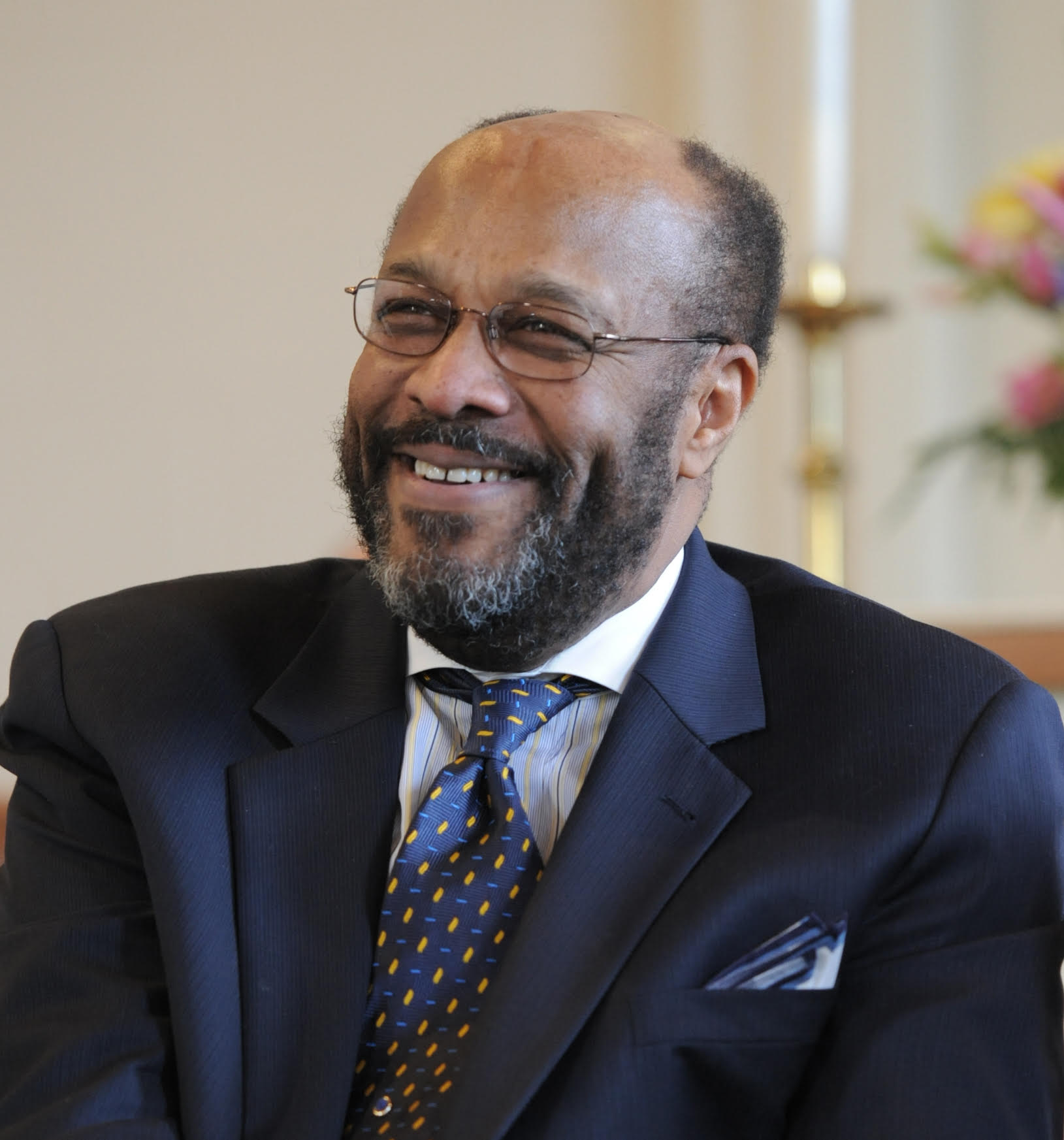
On Thursday, January 20, 2022, I had the pleasure of serving as host for a wonderful author talk by the Reverend Dr. Marvin A. McMickle, a prolific scholar and a member of the Editorial Advisory Board for The RASHAD Center’s Journal of Traditions & Beliefs. The talk on his 18th book, Let the Oppressed Go Free: Exploring Theologies of Liberation, was part of “By the Book: A Celebration of Research, Writing, and the Grand Reopening of the Western Reserve Historical Society Library.” All of the programs in this series focus on aspects of works published between 2020 and 2021 and written by or about Black or Indigenous People of Color. Dr. Marvin A. McMickle’s presentation was the first of three all-virtual Zoom discussions. In my introduction for the January event, I shared the following information about the contributions that Dr. McMickle, members of Cleveland’s Antioch Baptist Church– where he served as pastor for more than 20 years; and leaders and congregants of other institutions have made to my own work and that of other scholars over the years.
Twenty years ago, in the acknowledgement section of my first book, Cleveland, Ohio (2002) for Arcadia Publishing’s Black America series; I thanked Dr. Marvin McMickle, Deacon Kelvin Berry, and the members of Antioch for their support of that publication, which included Dr. McMickle’s introductory essay on the historic role of the African American church.
Soon after the publication of that 2002 book, Dr. McMickle hosted an informal gathering of Black faculty members at Antioch, and individuals from institutions as far away as Oberlin College and Ashland University and as close as Cleveland State University and Case Western Reserve University enjoyed an opportunity for professional networking, dining, and drinking of red punch—a favorite in many African American faith communities.
When I launched Praying Grounds: African American Faith Communities, A Documentary and Oral History at CSU, Dr. McMickle, the Reverend Dr. Larry L. Macon, Sr., and other leaders in United Pastors in Mission agreed to support that effort by donating manuscript materials for the archive and allowing me to recruit oral history narrators in their churches.
Like the Reverend Dr. Martin Luther King, Jr. and Rabbi Abraham Joshua Heschel, Dr. McMickle’s work has been both ecumenical and inter-religious, and the Rev. Joan Brown Campbell and Rabbi Susan Stone were among the distinguished community leaders who joined Dr. McMickle in supporting my Cleveland Chautauqua Project in the second decade of the 21st Century. Time and time again, Dr. McMickle has demonstrated his belief in the power of diversity.
I am also grateful to Dr. McMickle for his willingness to serve on the Advisory Board for The Journal of Traditions & Beliefs, the biennial scholarly e-publication of the RASHAD Center, Inc. that reaches tens of thousands of readers throughout the global community.
As information on the website for Judson Press suggests, “Marvin A. McMickle, DMin, PhD is currently interim pastor of Antioch Baptist Church in Cleveland, Ohio, where he previously served as senior pastor for nearly twenty-five years. He has also served as past president of Colgate Rochester Crozer Divinity School in Rochester, New York. No stranger to academia, McMickle previously served as professor of homiletics at Ashland Theological Seminary and in 2009, spent a semester as a visiting professor at Yale University Divinity School. He also taught at Case Western Reserve, Cleveland State, Princeton, and Fordham universities. “
If you would like to view a recording of Dr. McMickle’s “By the Book” presentation, please click HERE.


 The RASHAD Center, Inc.