Never a Dull Moment in Washington, DC’s Shaw-Howard Community!

Rangers from the National Parks Service and interns working with the Historically Black Colleges Initiative (HBCUI) have a wonderful way of welcoming visitors to the Carter G. Woodson Home National Historic Site in the Shaw-Howard Community.

I am very fond of the people in Washington, DC’s Shaw-Howard Community–especially those who live, work, and worship on or near Ninth Street, NW.  On any given Sunday, you are likely to see them heading to the historic Shiloh Baptist Church, dining at a New Orleans/Cajun/Creole-style restaurant, relaxing in the park, or visiting the Dr. Carter G. Woodson Home National Historic Site at 1428 Ninth Street. On two beautifully sunny days, the fourth Sunday in June and the first Sunday in July, many were willing to smile for my camera, so I decided to share a few of my photos, their smiles, and a little of that reflected sunsine with the readers of my blog and newsletter this month.  ENJOY!

The Dr. Carter G. Woodson Home National Historic Site.

On the afternoon of Sunday, June 25, 2017, hundreds of Prince Hall Masons marched in a grand parade down Ninth Street, NW and gathered at the Shiloh Baptist Church for a special program.

Everything about this gentleman–from his Omega Psi Phi hat to the regalia of the Prince Hall masons–reminds onlookers of the rich traditions of African American fraternal and benevolent organizations.

The congregation at Shiloh Baptist Church has a special welcome song for guests which says in part, “Ninth and P is the place to be. We are glad you’re here today!”
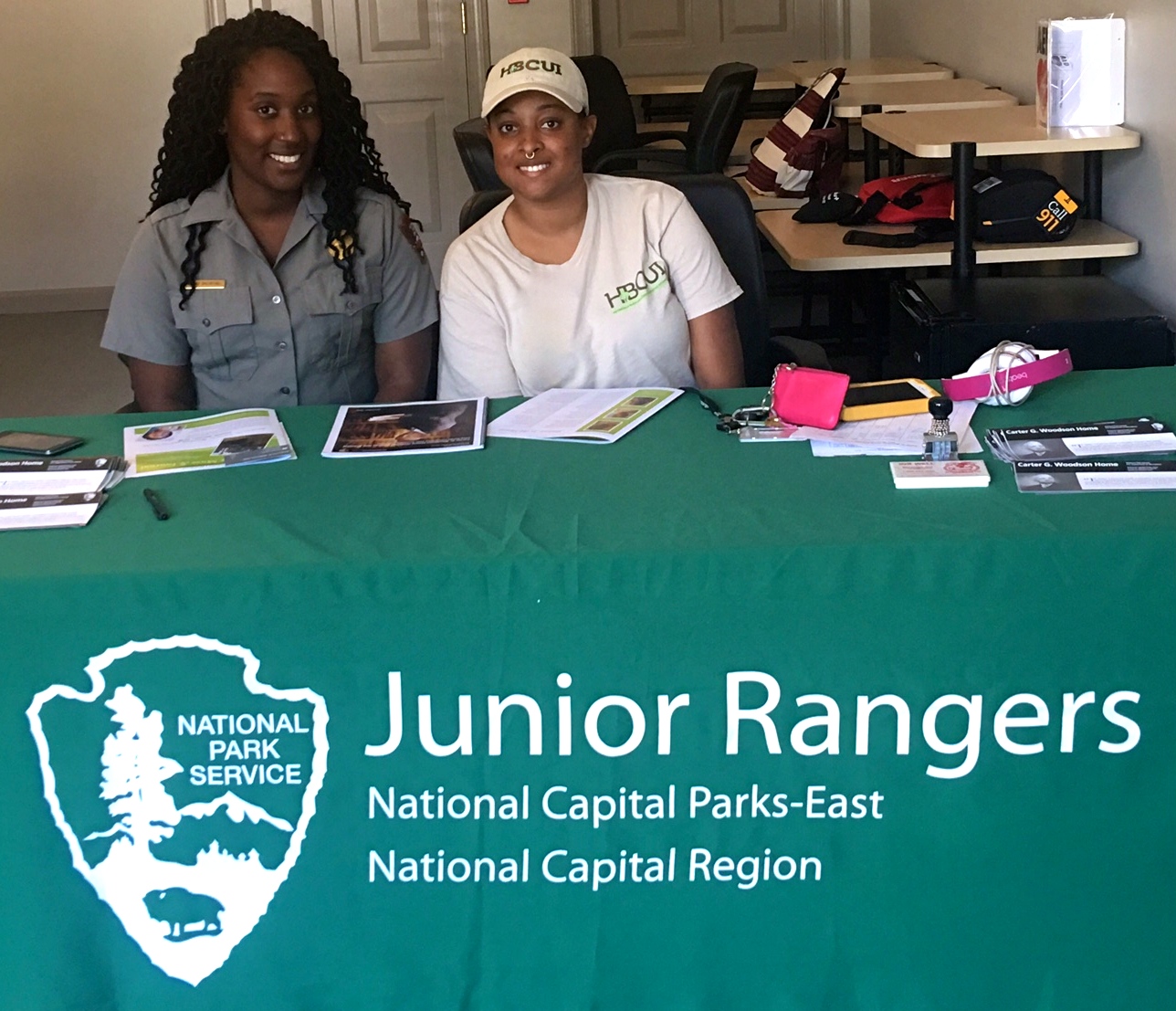
People of all ages, including Junior Rangers, are sure to find something that will make them smile in Shaw-Howard!
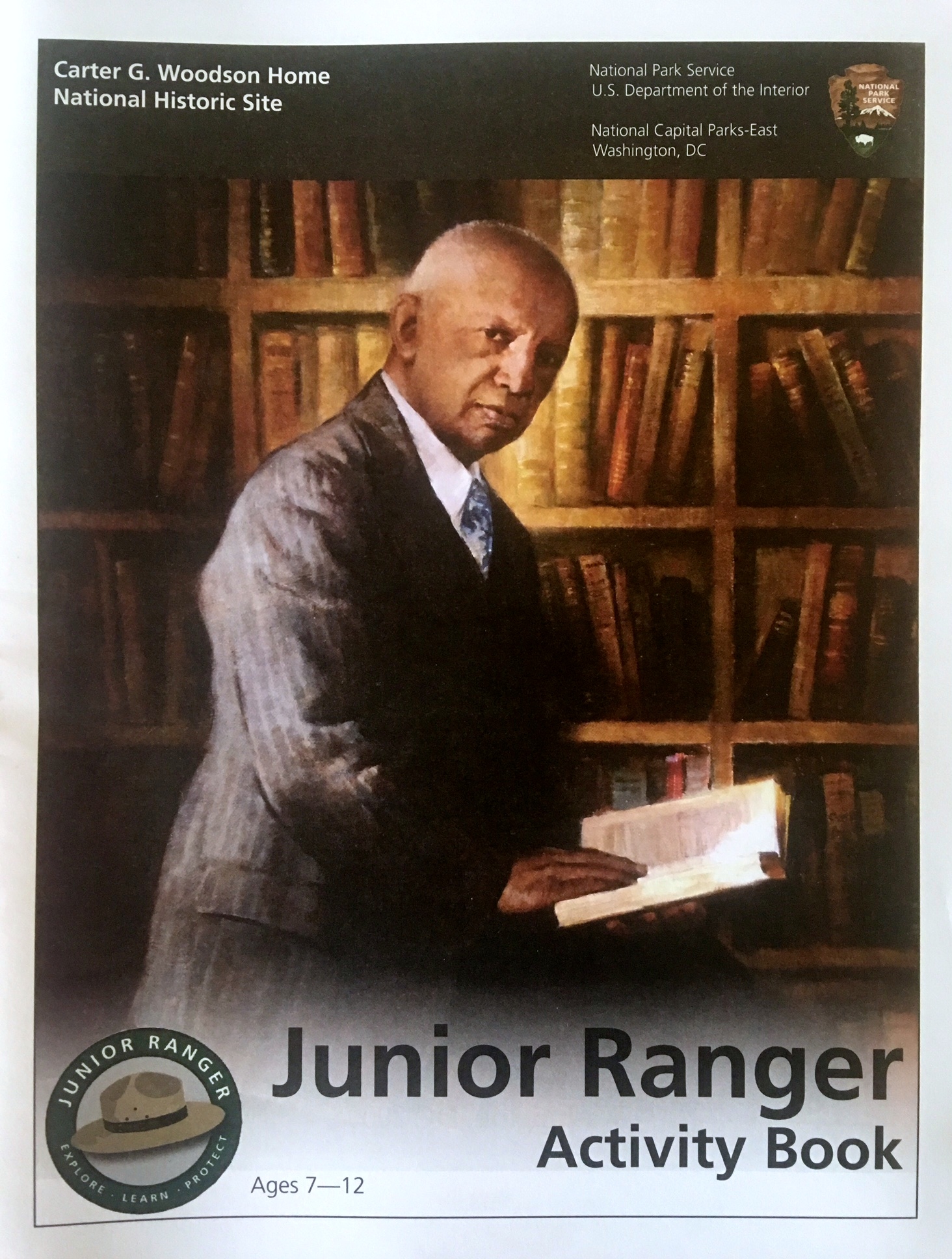
For more information on the NPS and its work in the Howard-Shaw Community, please visit https://www.nps.gov/cawo/index.htm.
Save

Save

Save

Save

Save

Save

Save

Save

Posted in Uncategorized | Tagged , , , , , , , | Leave a comment

Jazz in Retrospect: From “Come Sunday” to “Divine Music”

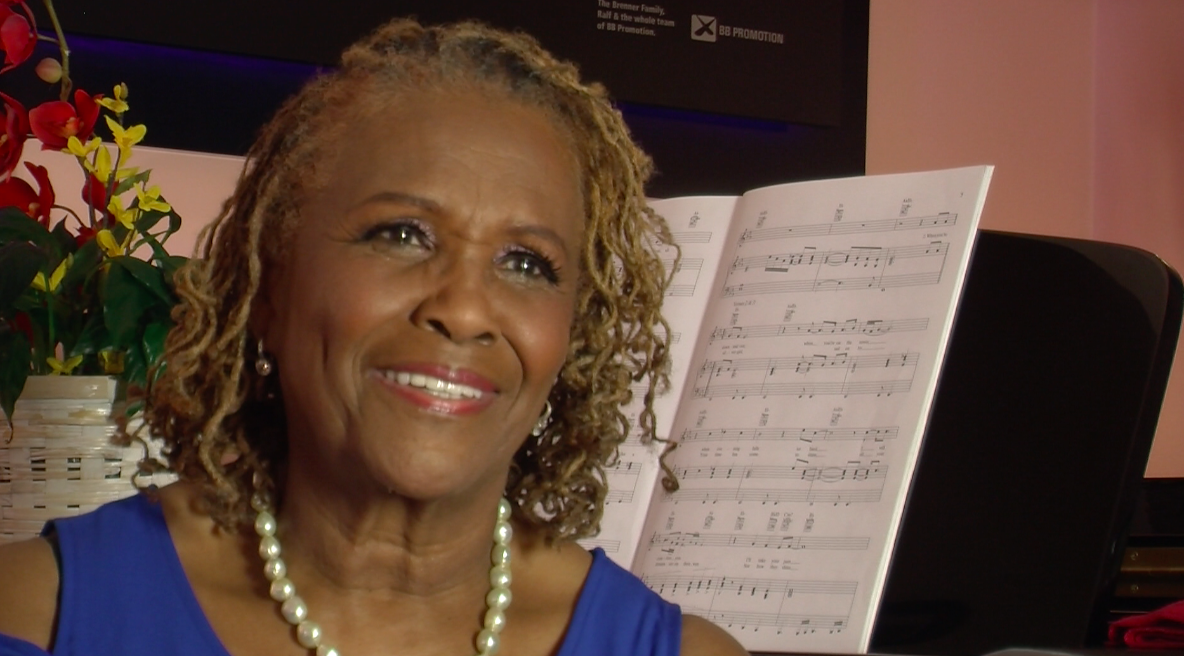
Queen Esther Marrow

Regennia N. Williams, PhD

During a year-long journey through recent jazz history, I discovered that many artists continue to view jazz as spiritual music.  Others describe it as nothing less than divine.  Some even borrow a line from Duke Ellington and suggest that the music is “beyond category.”  My work as an oral historian is allowing me to gain a better understanding of the evolving meaning of jazz–for artists and audiences alike.

In May 2016, I had the pleasure of interviewing Ms. Queen Esther Marrow for RASHAD’s Praying Grounds Oral History Project.  Marrow, an incredible alto vocalist, sang “Come Sunday” and other solo works during the premiere performance of Duke Ellington’s 1965 Concert of Sacred Music. (If you follow this link for Come Sunday,  you can hear her rendition of this classic, beginning at minute 44 of the YouTube video.)

Having performed with Ella Fitzgerald, Lena Horne, Mahalia Jackson,  and other legends, Marrow’s singing career continues unabated.  In recent years, this soulful singer and current resident of Newport News, Virginia founded the Harlem Gospel Singers, and she has toured and performed with this group throughout Europe.

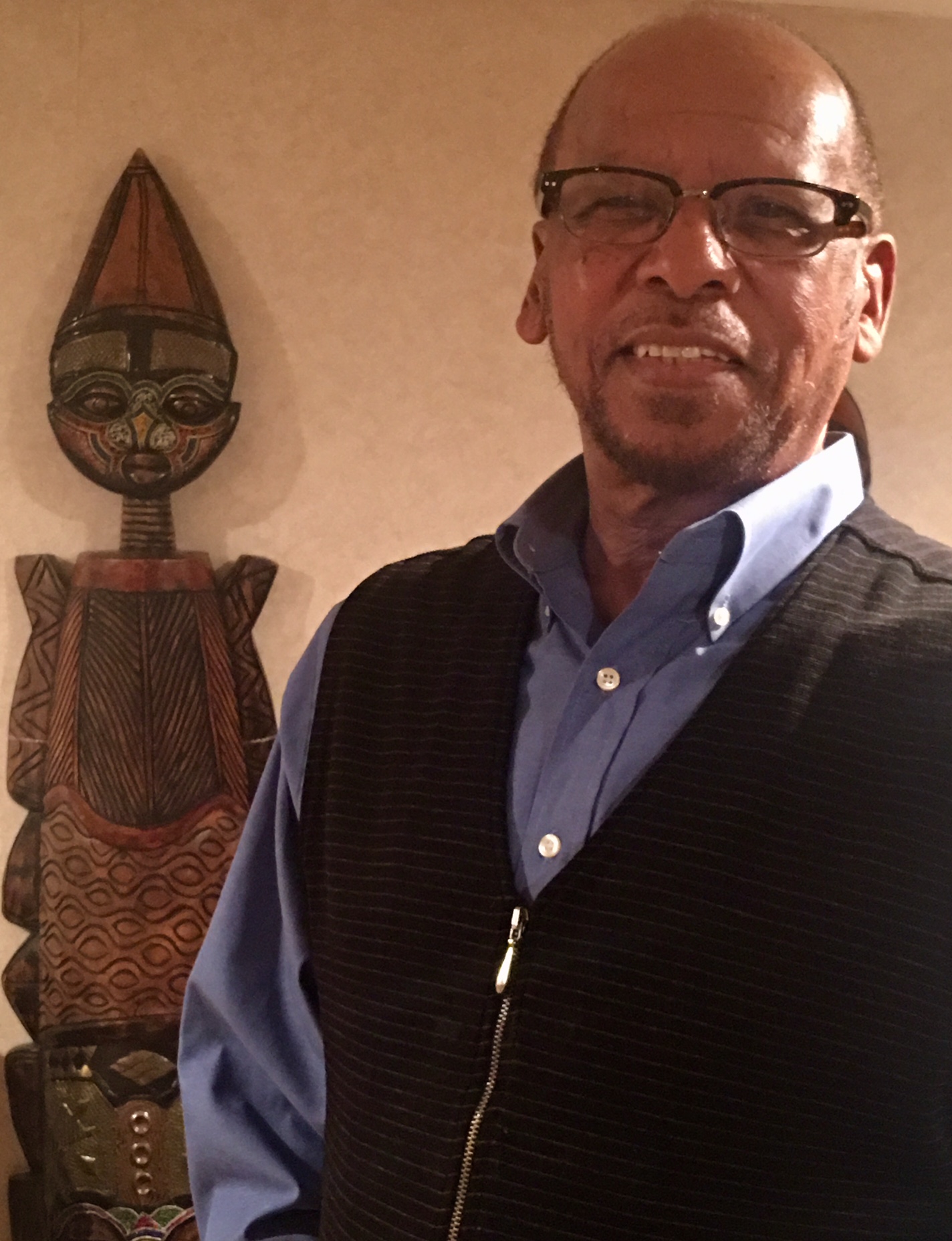
Brother Ah


In May 2017, the Rev. Dr. Sandra Butler-Truesdale and I finished up round one of our series of interviews for the Washington DC Jazz Oral History Project.  The final session for this series focused on the life and work of Brother Ah (Mr. Robert Northern), an 83-year-old DC resident,  radio programmer, and multi-instrumentalist, whose credits include work with Miles Davis, John Coltrane, Sun Ra, and Thelonious Monk, among others.  Manufactured Recordings recently released Brother Ah’s three-album set, “Divine Music.

Marrow and Brother Ah are two of the 21 artists and/or friends of the musical arts who have shared oral history narratives, photographs, and other materials with our research team. We look forward to conducting additional interviews and sharing this history with you, through the Washington DC Jazz book (forthcoming from Arcadia), and other publications, public programming, and archival collections.

Special thanks to the individuals listed below for taking the time to speak with us from May 2016 through May 2017:

Kush Abadey

Nasar Abadey

Brother Ah (Robert Northern)

The Rev. Dr. Sandra Butler-Truesdale

The Rev. Dr. Ginger Cornwell

Donald Edwards

Chip Ellis

Keanna Faircloth

Janine Gilbert-Carter

Je’Lan Harwell

Kim Jordan

Manuel Kellogh

Queen Esther Marrow

Mark Meadows

Aaron Myers

Jeffrey Neal

Lavenia Nesmith

Moshe Snowden

Coniece Washington

Lori Williams

Rainy Williams

Save

Save

Save

Save

Save

Save

Save

Save

Save

Save

Save

Save

Save

Save

Save

Save

Posted in Uncategorized | Tagged , , , , , , , , , , , , | Leave a comment

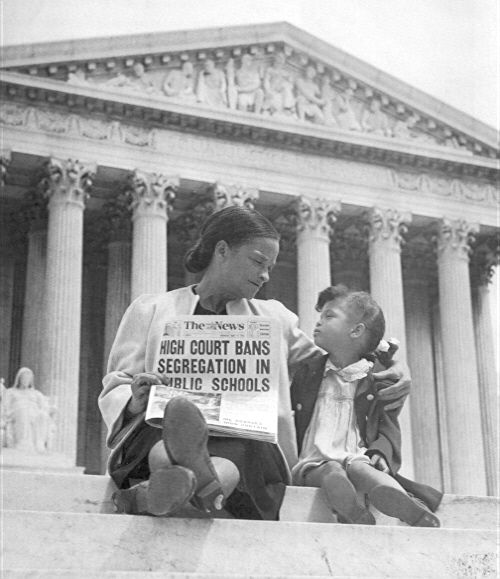
Education and History Still Matter: Remembering May 17, 1954

On the steps of the Supreme Court Building in Washington DC, May 1957.

Because I understand the ongoing struggle to secure equal access to quality education for all people in the United States, I intend to take full advantage of continuing education and professional development opportunities, and then apply what I learn in my classroom teaching, in my work with my non-profit organization, in my neighborhood, in the voting booth, and throughout the global community.

#NeverForget   #BackToGradSchoolSummer2017   #StudentForLife

Regennia Nanette Williams, PhD


Save

Save

Save

Save

Posted in Uncategorized | Tagged , , , , , , | Leave a comment

History, Humanity, and the Humanities: Getting to the Art of the Matter

Entrance to the African Burial Ground National Monument in New York City.

      As an educator and an arts lover, I have always been very proud of the fact that history, my chosen field of study and, by definition, one of the humanities, invites people to give careful consideration to the ways in which cultures, institutions, and nations have changed over time.

Recently, Dr. Sandra Jowers-Barber, Director of the Division of Humanities at the University of the District of Columbia’s Community College, invited me to serve as one of the faculty participants in a public history activity that included a visit to New York’s African Burial Ground National Monument.  These kinds of student-centered excursions, my ongoing oral history research on jazz, and current debates about the future of federal support for the arts and humanities programs (among others) have convinced me that humanity still needs the humanities — perhaps more than we have ever needed them in the more 50-year history of the National Endowment for the Humanities (NEH).

Life-sized wax figures in the gallery of the African Burial Ground National Monument depict a funeral and burial scene among enslaved Africans in America.

My views on this topic are directly related to the following definition from the NEH website:

“The term ‘humanities’ includes, but is not limited to, the study and interpretation of the following: language, both modern and classical; linguistics; literature; history; jurisprudence; philosophy; archaeology; comparative religion; ethics; the history, criticism and theory of the arts; those aspects of social sciences which have humanistic content and employ humanistic methods; and the study and application of the humanities to the human environment with particular attention to reflecting our diverse heritage, traditions, and history and to the relevance of the humanities to the current conditions of national life.”
–National Foundation on the Arts and the Humanities Act, 1965, as amended

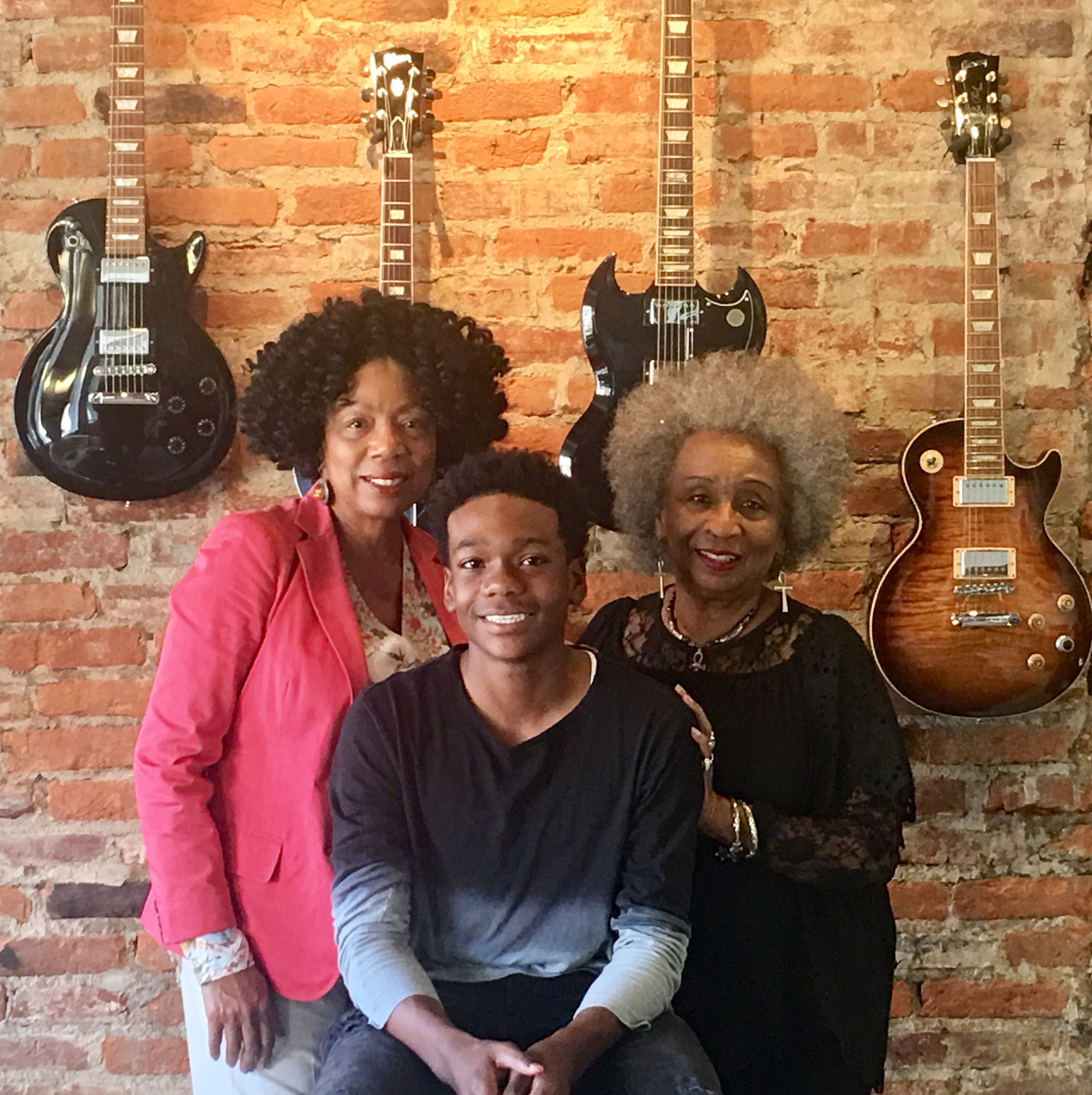
Pictured here in the DC offices of Gibson Guitar are (left to right) Coniece Washington (vocalist), Je’Lan Harwell (guitarist), and the Rev. Dr. Sandra Butler-Truesdale, founder and director of DC Legendary Musicians, Inc. and co-author with Dr. Regennia N. Williams of Washington DC Jazz (under contract with Arcadia Publishing.)  Dr. Williams interviewed Ms. Washington and Mr. Harwell for the Washington DC Jazz Oral History Project on May 3, 2017.

Decisions that our predecessors made have shaped our lives in a myriad of ways.  When future generations examine the evidence related to decisions about our investments of time, talent, and treasure, they will gain a better understanding of what we valued and held sacred.

History has taught me that investments in humanity and the humanities pay big dividends, and that is a lesson that I try to pass on to others.

Save

Save

Save

Save

Save

Save

Save

Save

Save

Save

Save

Save

Save

Save

Save

Save

Save

Save

Save

Posted in Uncategorized | Tagged , , , , , , , , , , , , , , , | Leave a comment

Celebrating the Artistry of Women in Jazz

Janine Gilbert Carter, Vocalist

April is Jazz Appreciation Month, and — in this centennial year for both Ella Fitzgerald and Lena Horne, I have discovered that there is no shortage of opportunities to celebrate the artistry of women in jazz.  Today, I invite you to join me in focusing on the work of two gifted musicians.

Vocalist Janine Gilbert Carter is known for her performances on both the domestic and international music scenes.  I had the pleasure of hearing her in an African American History Month presentation at the Woodrow Wilson Center in Washington DC.  She is one of the many members and friends of DC Legendary Musicians, Inc. who agreed to participate in the Washington DC Jazz Oral History Project.

Ms. Gilbert Carter will be included in the Washington DC  Jazz book that the Rev. Dr. Sandra Butler Truesdale and I are co-authoring for Arcadia Publishing’s

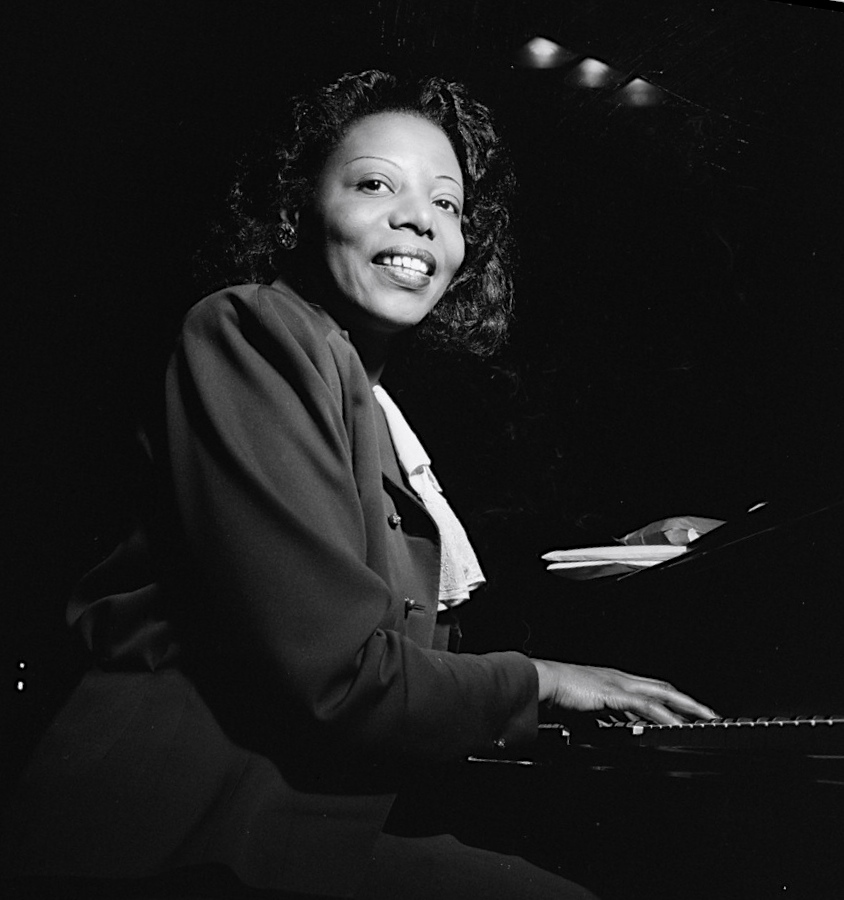
Mary Lou Williams

“Images of America” series.  I am looking forward to sharing more information about her work with our readers.

This month, I have also decided to treat myself to some of the keyboard artistry of the legendary Mary Lou Williams (1910 – 1981).  For a sample of her piano jazz (and blues!), check out this video:  https://www.youtube.com

/watch?v=DiKwZRMYvQ0#t=199.029854 .

This 1947 image of Williams is part of the William Gottlieb Collection at the Library of Congress.

Happy listening!

Save


Save

Save

Save

Save

Save

Save

Posted in Uncategorized | Leave a comment

From Hymns to Horn — My Favorite Songs for This Season Are Celebrations of Life!

This is one of those posts that won’t require a lot of typing, because, fortunately, I’ve found two songs that seem to say it all — when it comes to the reasons for this season of rejoicing among Christians the world over and, throughout the year, the value of life and “all the joys it brings.”  I hope that you, too, will join me in listening to Marvin Sapp’s rendition of “The Old Rugged Cross” — a favorite hymn from my Baptist upbringing, and “Here’s to Life,” from jazz legend Shirley Horn.

Happy Easter . . . Be Blessed!

Dr. Regennia N. Williams

Posted in Uncategorized | Tagged , , , , , , , | Leave a comment

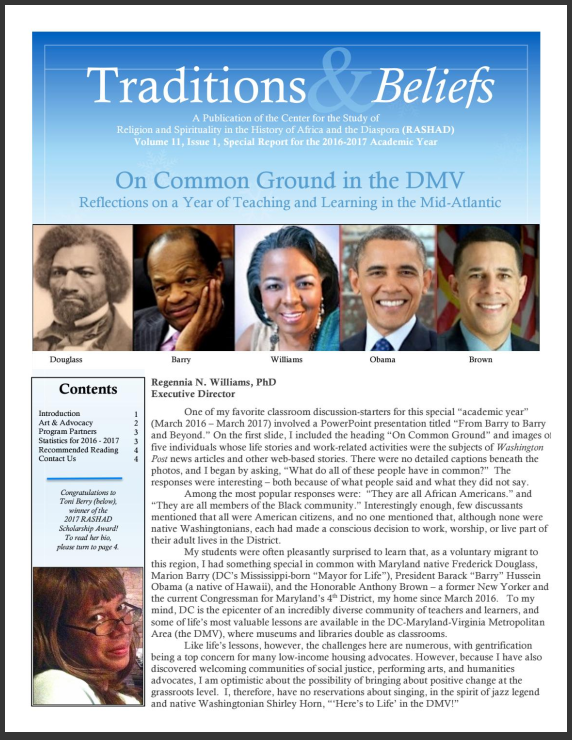
Read All About It!

Print and digital publications prove that the “pen” still has power.  You are cordially invited to read all about RASHAD’s powerful first year in the Mid-Atlantic.

The latest edition of the Traditions & Beliefs newsletter is now available on ISSUU.  Just click on the link below the cover image and ENJOY!

— Dr. Regennia N. Williams


https://issuu.com/regennia.williams/docs/sg_traditions___beliefs_2016-2017_a_f72e5a40f61848


Save

Save

Save

Save

Save

Save

Posted in Uncategorized | Leave a comment

“Do All You Can . . .”

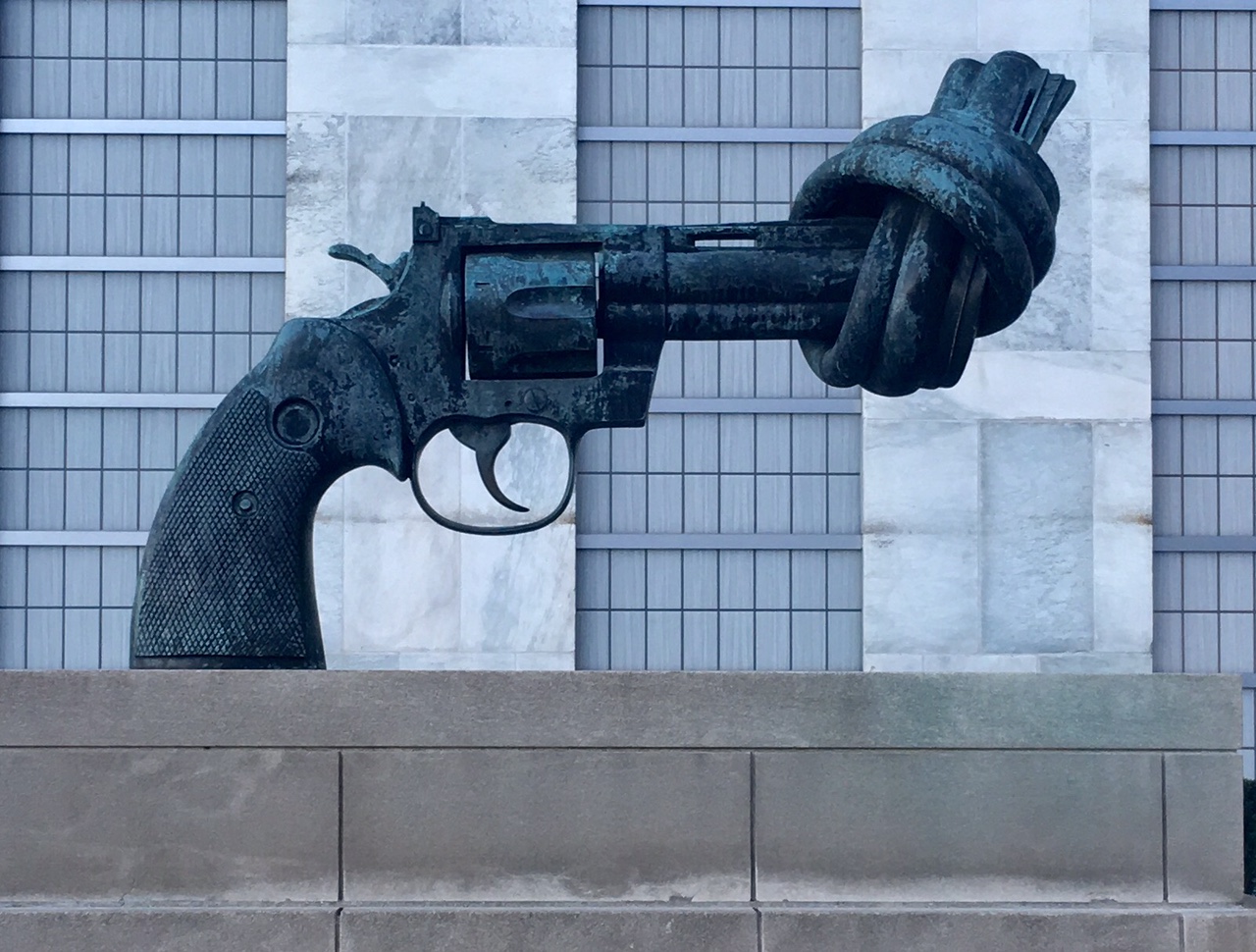
Sculpture on the United Nations plaza in New York.

Several years ago, an elderly woman at my Shaker Heights, Ohio church was engaged in the painful task of planning the funeral for one of her daughters.  On the Sunday before her daughter’s service, she paused in the church fellowship hall to talk to me, and she said, “Do all you can, while you can.”   Today, I want to share that mother’s message with you.  When so much of the news that we receive on a daily basis is bad, my hope is that you will find other people of goodwill, who will take the time to talk to you and, perhaps, struggle with you to make a positive difference in this world–through teaching, writing, preaching, praying, giving, voting, policy-making, or any other means that will transform our neighborhoods and promote health and healing in the global community.  PEACE.

Save

Save

Save

Posted in Uncategorized | Tagged , , , , , , , , , , , , , , | Leave a comment

The Calm after the Most Recent Political Storms


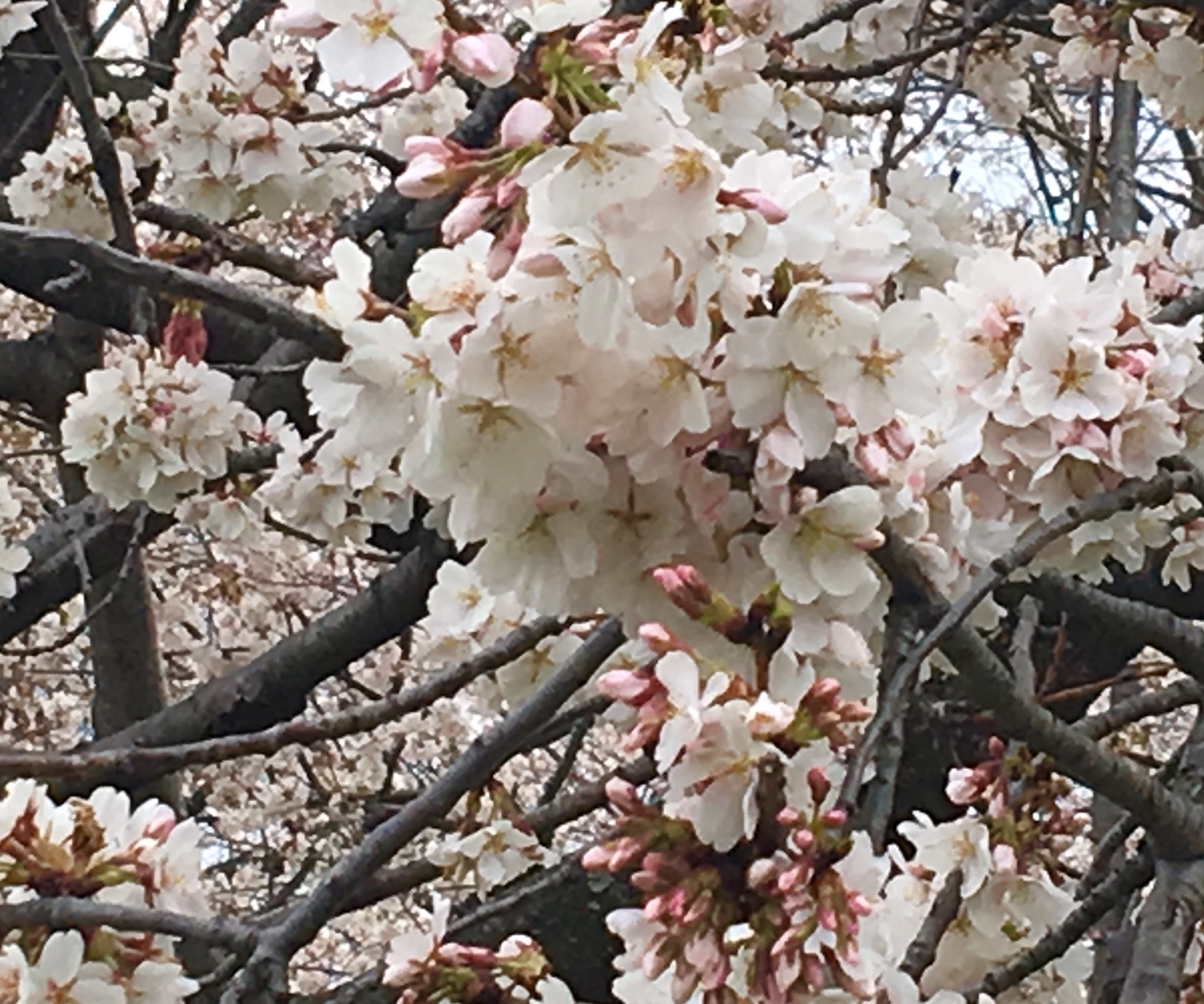
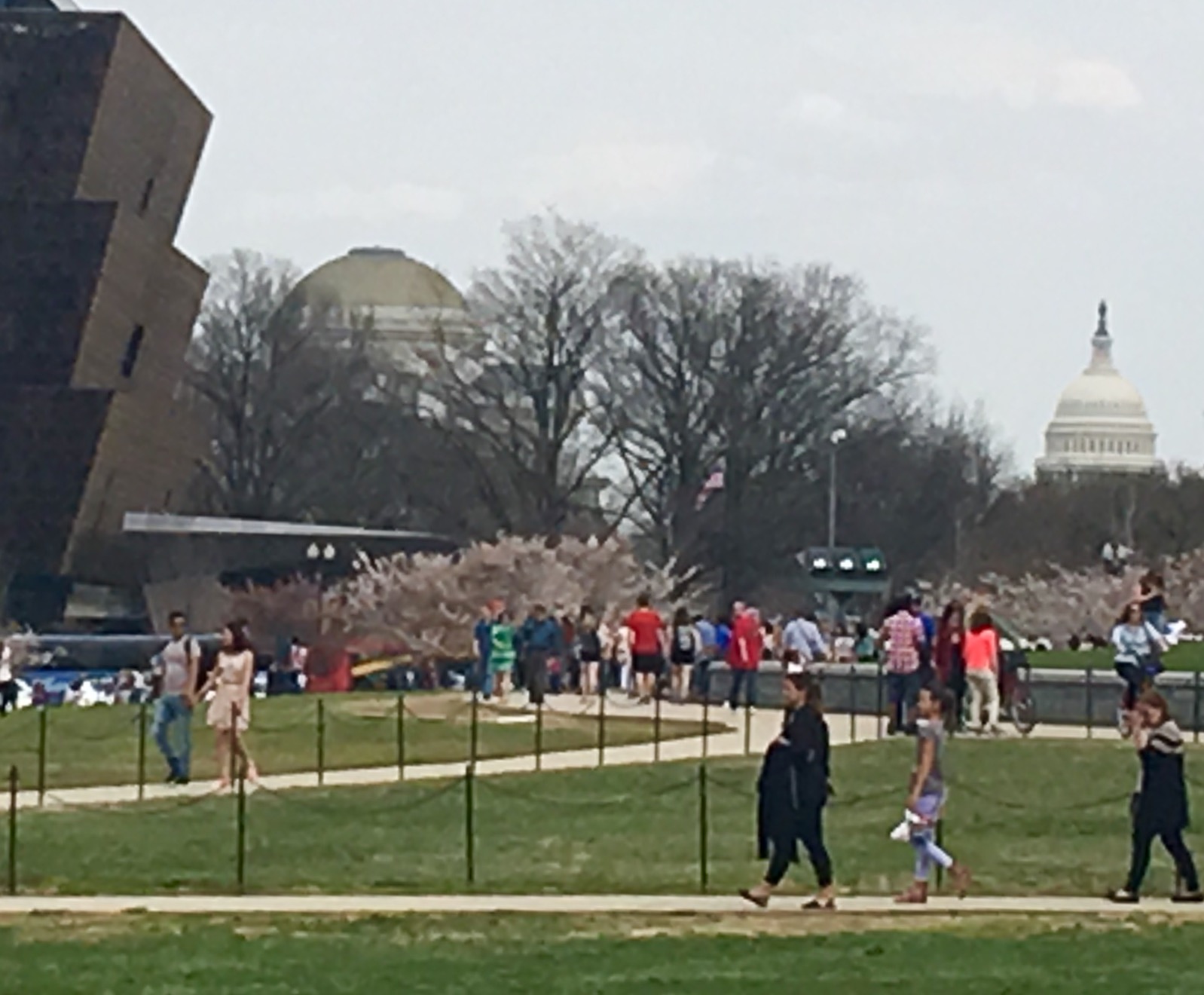
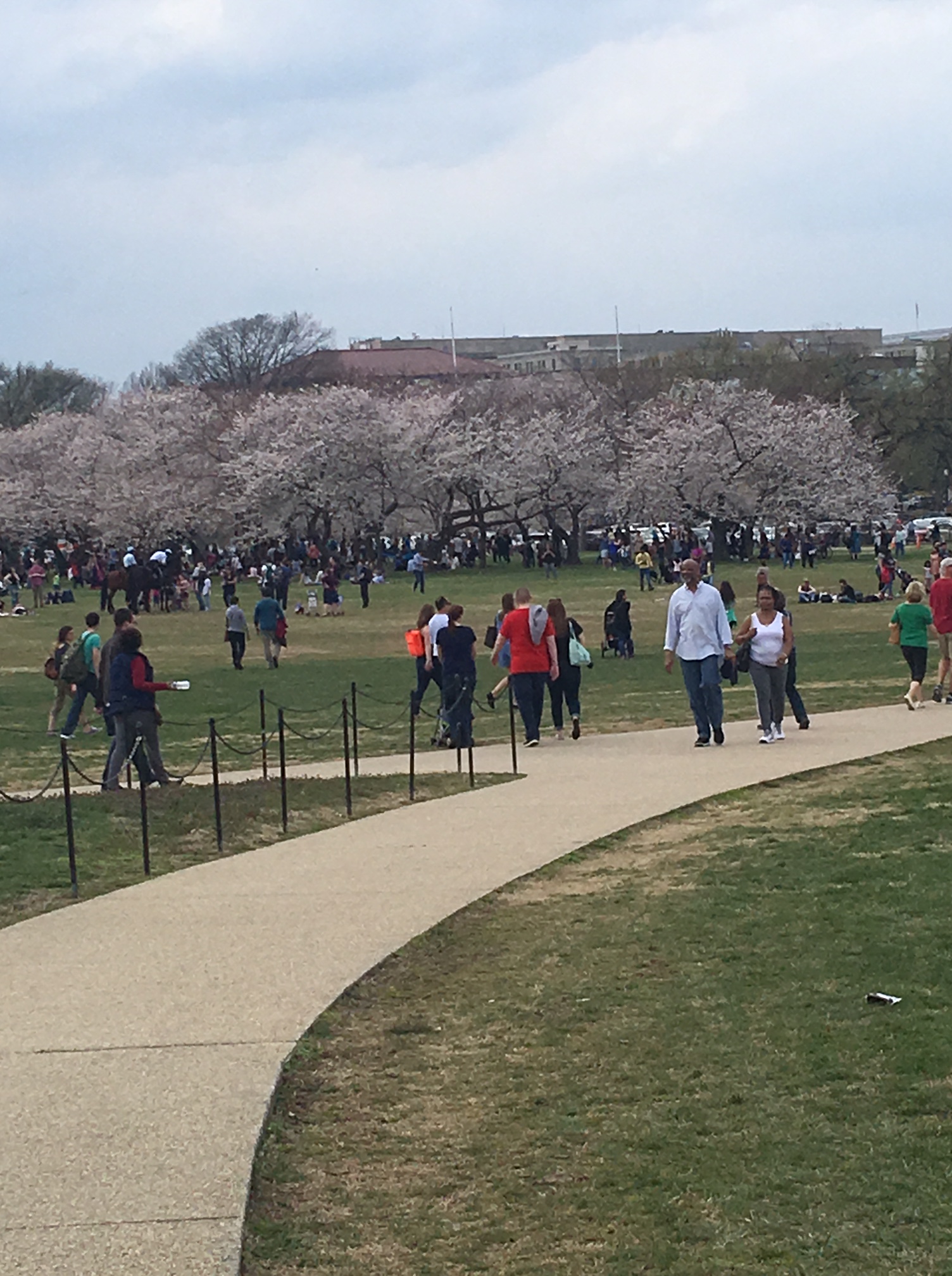
Last week, after joining millions of Americans in reading, thinking, discussing, and contacting elected officials about possible cuts to healthcare, arts, humanities, and other essential federal programs, I was pleasantly surprised to see the positive difference that a little sunshine and a few cherry blossoms can make in the mood of the Capital City.  Our budget struggles are not over, but it is good to know that Americans — including those who work or live on or near the National Mall, can still find common ground when they want / need to.


Save

Save

Save

Save

Save

Posted in Uncategorized | Tagged , , , , | Leave a comment

The Music of Roger “Buck” Hill: Still Delivering Joy — In DC and Beyond!

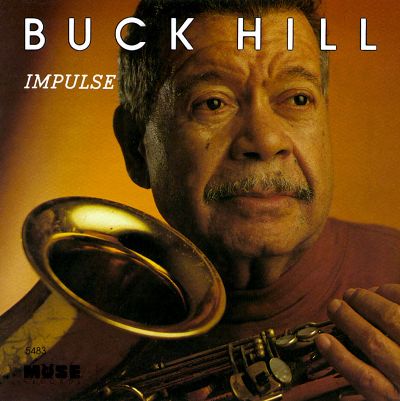
This week, the Rev. Dr. Sandra Butler-Truesdale formally introduced me to the life story and musical legacy of saxophonist Roger “Buck” Hill (1927-2017), the “Wailin’ Mailman,” who spent decades delivering mail for the US Postal Service, even as he delivered joy-filled jazz in live performances and studio sessions. (*I really love this image that accompanied Michael J. West’s online article for Washington City Paper at http://www.washingtoncitypaper.com/arts/music/blog/20855826/buck-hill-obituary.)

I began by stating that I just received my “formal” introduction to Hill’s work, because I did not know that he was one of the incredible musicians performing on many of the Shirley Horn recordings that I’ve listened to this year.

As I join Hill’s relatives, colleagues, and friends in preparing to celebrate his life at an upcoming wake and memorial jam session, I must admit that it would have been great to experience one of his live performances at the Crystal Caverns or some other landmark Capital City jazz venue.

As an educator and a lifelong learner, however, I also have to say that I am grateful that Hill chose to be an artist, mentor, AND teacher–and that his artistry lives on in the music of his former students and in his rich body of recorded works. Thanks, Buck, for the music.  Thanks, Dr. Butler-Truesdale and DC Legendary Musicians Inc. (DCLM) for encouraging us to recognize and appreciate artistic genius every day.

According to a Facebook post by Dr. Sandra Butler-Truesdale, “The DC Music Community will celebrate the life and works of saxophonist Roger “Buck” Hill on Sunday, March 26th.  Wake, 2-3 p.m.; Memorial Service and Jam Session, 3 p.m., at Westminster Church, 400 I Street SW, Washington, DC.” 

Save

Save

Save

Save

Save

Save

Save

Save

Save

Posted in Uncategorized | Leave a comment