Washington DC Jazz Oral History Project, Chapter 3

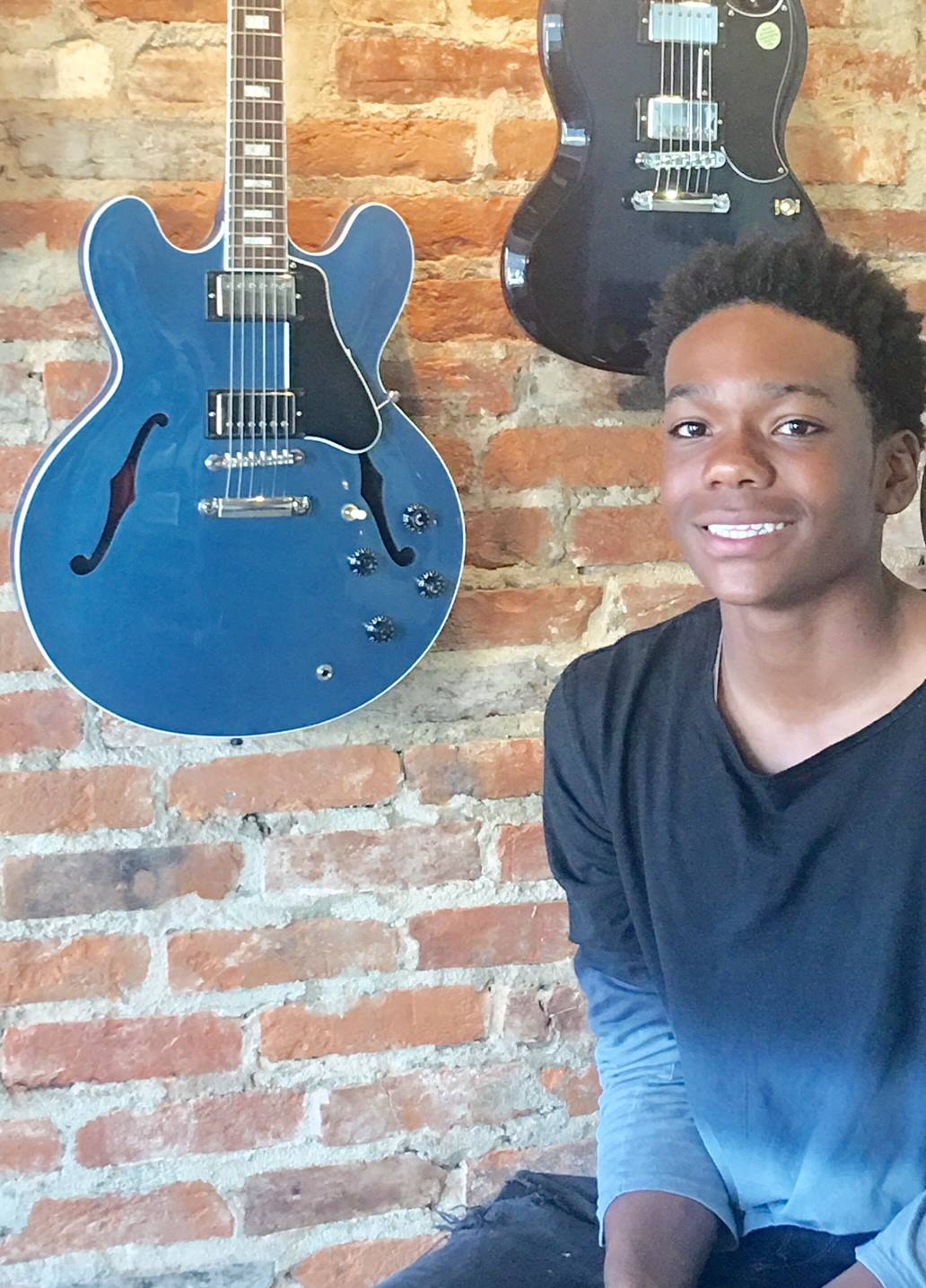
*JE’LAN HARWELL — a 13-Year-Old Guitarist and Fan of B.B. King, Prince, Jimi Hendrix, and Jackie Lee—Says We Need to Do a Better Job of Supporting Our Musical Artists.

Je’Lan Harwell

“We have a lot of musicians out there that we probably don’t know about. They are practicing every day, but we don’t say anything, because they are on our corners practicing, playing . . . We need to get better at that, and we need to keep on grinding and become a better country.”
Interviewed on May 4, 2017
*With the Permission of Mr. Avery Harwell (Father)
By Dr. Regennia N. Williams
Life Member
Oral History Association
Photograph by
Dr. Regennia N. Williams
#WashingtonDCJazz
#DCLegendaryMusicians
#OralHistoryRocks
Posted in Uncategorized | Tagged , , , , , , , , , , | Leave a comment

The Washington DC Jazz Oral History Project, Chapter 2

Kim Jordan

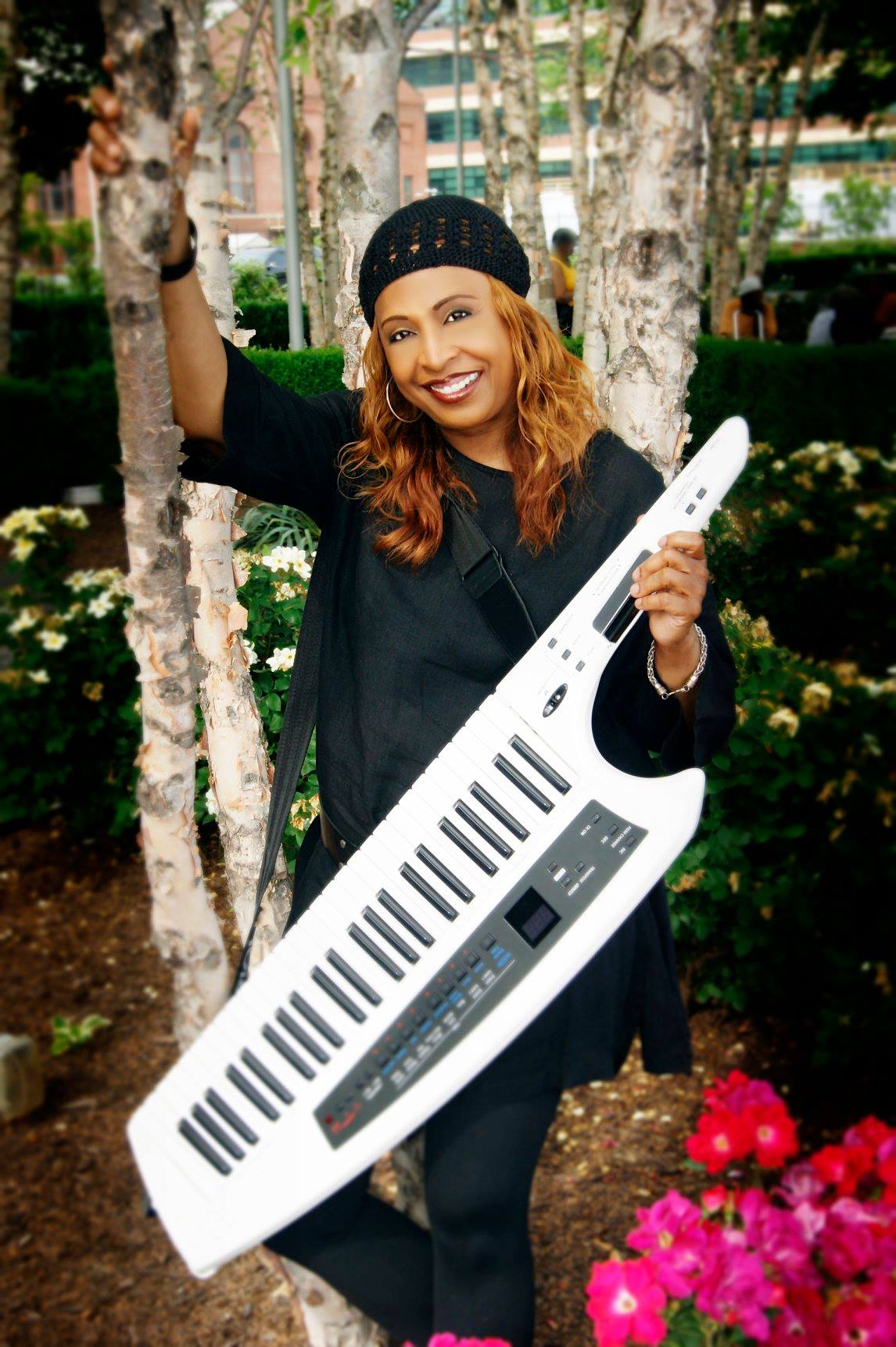
KIM JORDAN—renowned keyboard artist, composer, producer, director, preacher, teacher, mentor, entrepreneur, Howard University alumna, and member of Delta Sigma Theta Sorority, Inc. —says, “Do not sleep on DC, because this is where the magic happens!”

“There is great history here; there is great jazz history, anything dealing with any kind of musicality . . . going back to the early years when Duke Ellington was playing at all the clubs and the Howard Theatre, then coming down the pike with Shirley Horn, and, I would dare to say, all of those who are out here now doing fabulous things and keeping this jazz history alive—and those who are coming after us . . . DC has always been a musical place, but the roots go deep, the sound is still full, and the spirit is still alive in DC. . . Do not sleep on DC, because this is where the magic happens.”
Interviewed on May 2, 2017 by Dr. Regennia N. Williams
Life Member of the Oral History Association
Photograph by Nathaniel Rhodes
Photograph Courtesy of DC Legendary Musicians, Inc.
#WashingtonDCJazz  #DCLegendaryMusicians   #OralHistoryRocks
#PutYourHandsTogether https://youtu.be/bFL35vtKtq0
Posted in Uncategorized | Tagged , , , , , , , , | Leave a comment

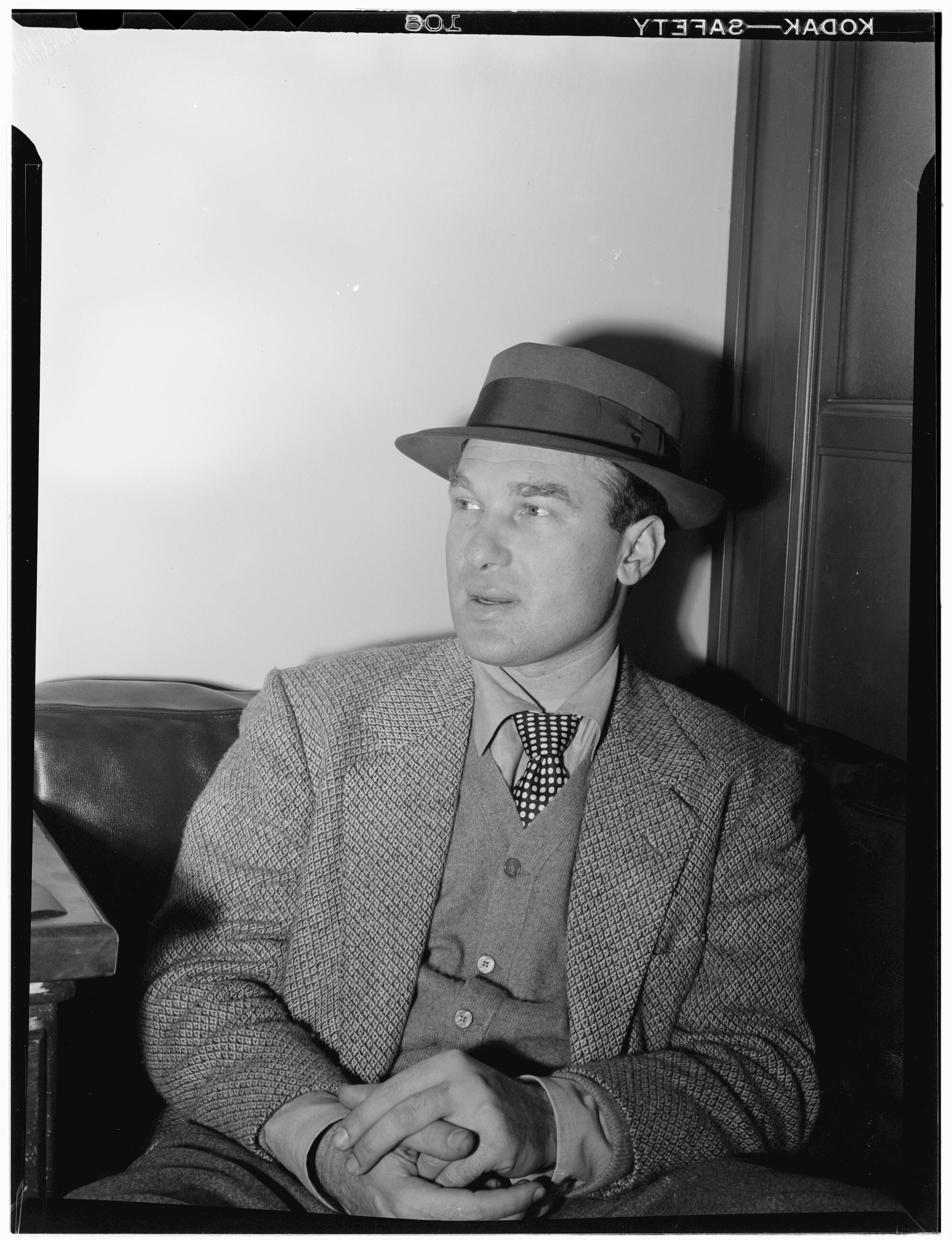
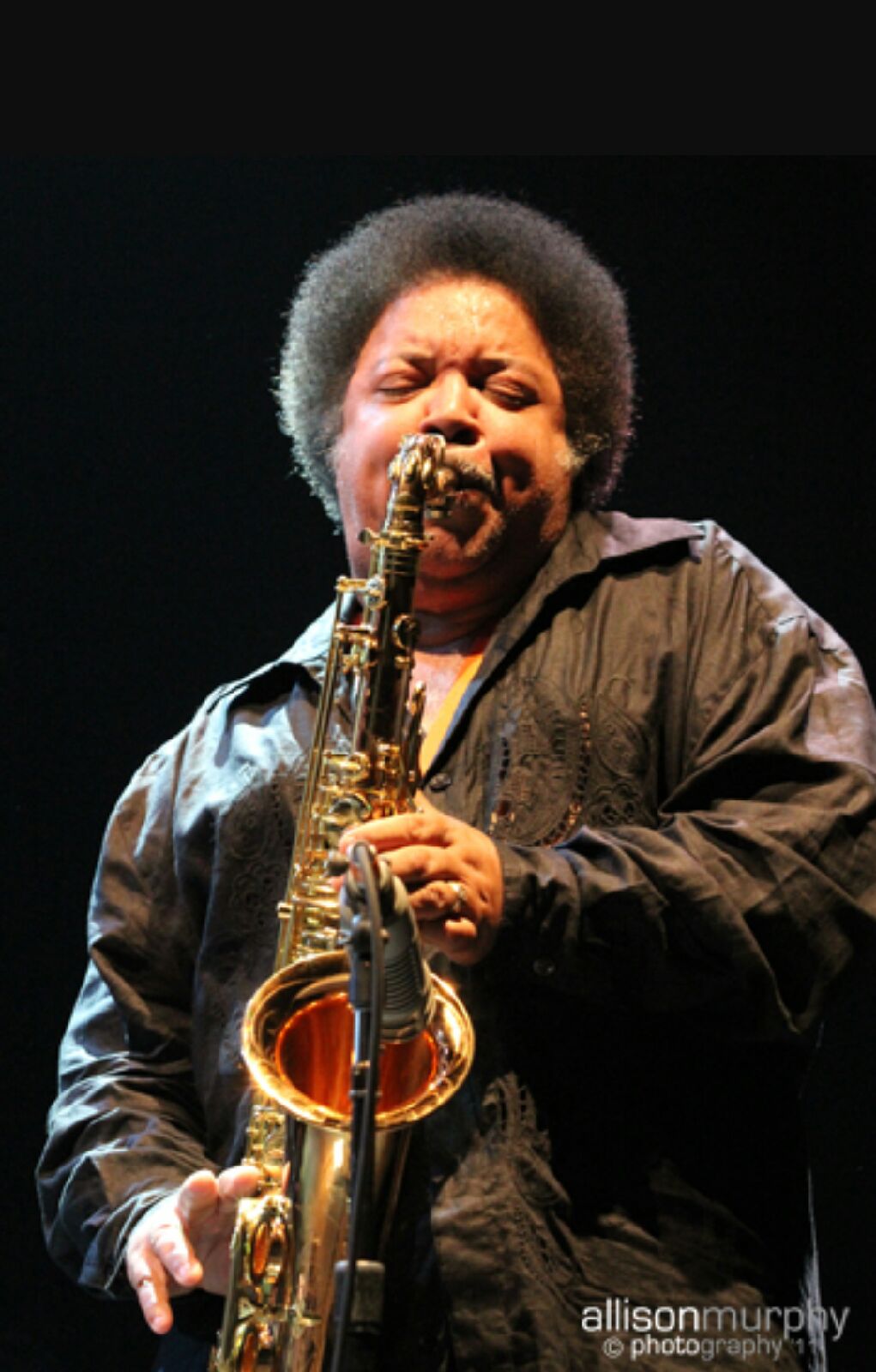
The Washington DC Jazz Oral History Project, Chapter 1: Ronald Edward Holloway

“At the Age of 13, Ronald Edward Holloway Decided to Become ‘A Saxophone Player for Life!'”

Ron Holloway

. . . I was standing in the basement, where I used to put on albums, listen to the guys play, and learn from them . . . So, I was standing in front of the record player, and my dad came downstairs and was standing beside me. We were talking about music and the saxophone, and I said to him, “Dad, I want to get my own horn.” He said, “Well, maybe we should wait a while, and see how you feel about it.” When he said that, I looked up at him with a surprised look, like I was surprised he would say that. I said, “I already know what I want to do. I am not going to change my mind.” So, at 13, I was very sure that I was going to be a saxophone player for life!

Interviewed by Dr. Regennia N. Williams
January 12, 2018
Photograph by Allison Murphy
Photograph Courtesy of the Rev. Dr. Sandra Butler-Truesdale
Founder and Director, DC Legendary Musicians, Inc.
#WashingtonDCJazz #DCLegendaryMusicians #OralHistoryRocks
Posted in Uncategorized | Tagged , , , , , , , , | Leave a comment

Meet the “Washington DC Jazz” Oral History Narrators!

By Regennia N. Williams PhD

Humanities Scholar and Life Member of the Oral History Association

From the late spring of 2016 through the early winter of 2018, I had the pleasure of interviewing 23 incredible jazz artists in the Metro DC Area.  Many were members or friends of DC Legendary Musicians, Inc. (DCLM), and they ranged in age from under 15 to over 50.

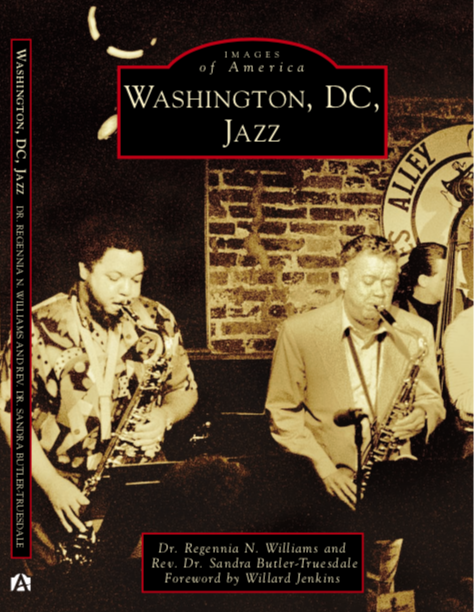
Each informant gave generously of their time and abundant knowledge to support the research for Washington, DC, Jazz, a co-authored book by Dr. Regennia N. Williams and the Rev. Dr. Sandra Butler-Truesdale. (Forthcoming 2018, Arcadia Publishing)

For 23 days in July and August of 2018, I will share photographs of these artists and brief quotes from their interviews with my Facebook friends and the readers of the RASHAD Center’s blog.  This is my way of thanking the artists publicly for their support and offering a preview of some of the information in the book.

Please follow me on Facebook, visit my blog site often, and learn more about what makes these musicians so amazing.  Also, please continue to support the work of jazz artists in Washington, D.C. and throughout the global community.

*For more information on the research for the book and the ongoing work of DCLM, please see the special Black Music Month issue of DCLM’s newsletter at http://dclmusicians.org/.

Posted in Uncategorized | Tagged , , , , , , , , , , , , , | Leave a comment

Happy Black Music Month!

Dear Friends,

You are cordially invited to read the special 2018 Black Music Month issue of Traditions & Beliefs, RASHAD’s program newsletter. Here is the link to the online publication: https://issuu.com/regennia.williams/docs/winter_spring_traditions___beliefs_

Happy Reading . . .

Happy Black Music Month!

Dr. Regennia N. Williams

Posted in Uncategorized | Leave a comment

Coming Soon: “My Jazzy Journey and Duke Ellington’s Washington,” A Black Music Month Publication

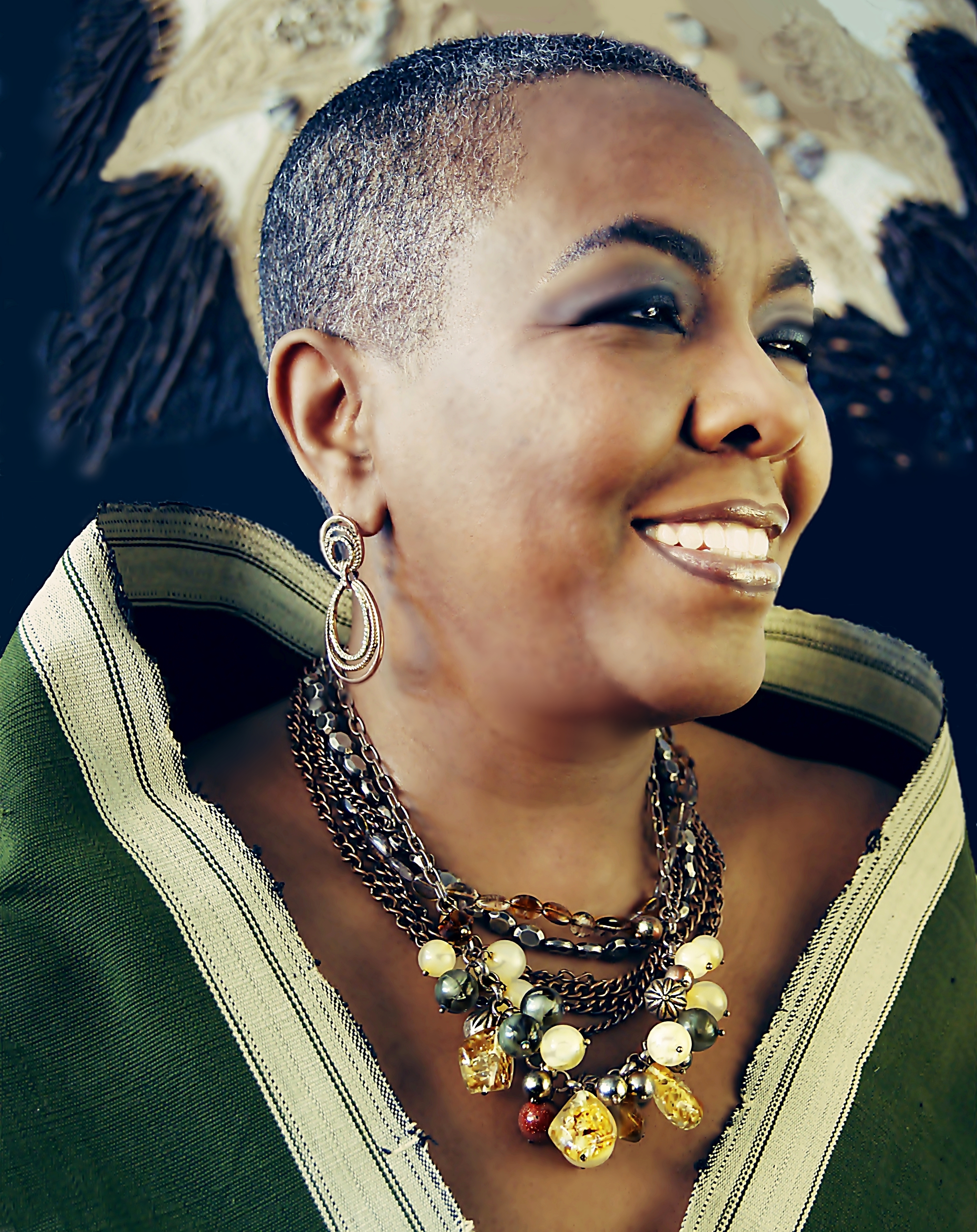
Regennia N. Williams, PhD (Nathaniel Rhodes, Photographer)

In 2008, I wrote a paper on the reception of Duke Ellington’s Sacred Concerts in America and began a 10-year journey through a fascinating chapter in jazz history and Black culture.

That journey took me across America, over the airwaves, and into communities in Africa, Asia, and Europe.  In the present historical moment, that jazzy journey  provided the inspiration for a special 2018 Black Music Month issue of the Traditions & Beliefs Newsletter. I look forward to sharing that publication and the Washington, D.C., Jazz book with you in the near future.

Posted in Uncategorized | Tagged , , , , | Leave a comment

“Beams of Heaven” and the Gospel According to Walter

Beams of heaven as I go  Through this wilderness below Guide my feet in peaceful ways Turn my midnights into days. 

Charles Albert Tindley

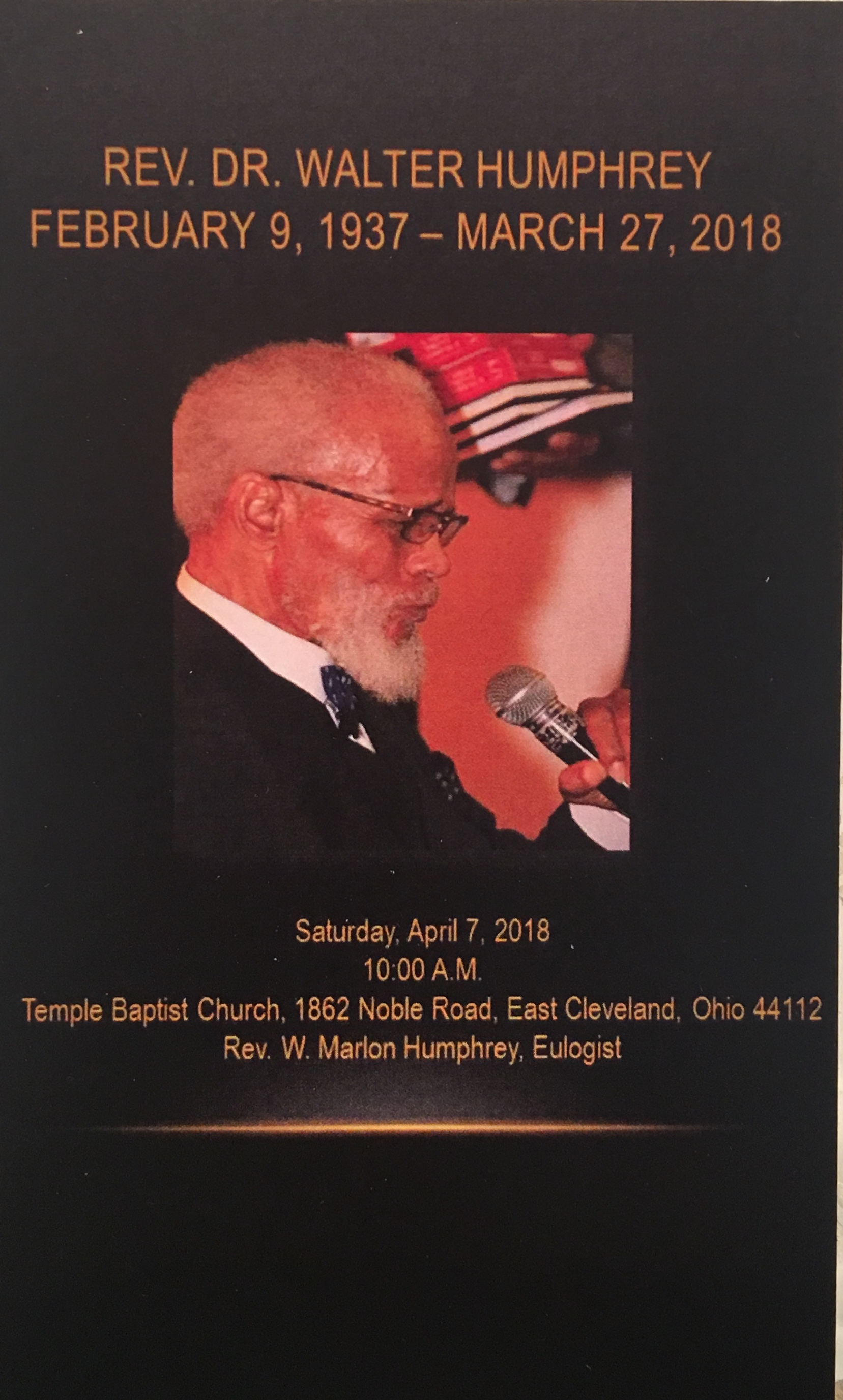
This week, I returned to Cleveland, Ohio to celebrate the life and legacy of the Rev. Dr. Walter “Bud” Humphrey, the long-time pastor and former choir director at our family church, the New Joshua Missionary Baptist Church.

Although I was saddened by the news of his passing, I must also admit that I was overjoyed to join my four sisters, my brother, and dozens of other members of our extended Christian family in singing at a Friday, April 6, 2018 musical tribute to Pastor Humphrey.

That musical and the other events of this weekend reminded me of everything that I love most about the Black Church, including the power of place, the sense of community, and the message in the music.

Next Week, I plan to head home to Maryland’s Montgomery College, where I will have the honor of teaching “Listen Up! From Gospel to Liturgical Jazz,”  a new class that I designed.  Needless to say, I am grateful for another opportunity to teach and to learn, and some of the lessons that I learned in Cleveland have earned a place on the course syllabus!

I will always be indebted to Charles A. Tindley–composer of “Beams of Heaven” –one of Pastor Humphrey’s favorite songs, Duke Ellington, Thomas Andrew Dorsey, James Cleveland, Shirley Caesar, Aretha Franklin, Lonzrine and Nathaniel Williams, Sr. (my parents),  Portia Maultsby, A. Grace Lee Mims, and, of course, Walter “Bud” Humphrey.  They are among the people who taught me to love music and helped me to find my own voice as an educator and a writer, and I really appreciate it.


Posted in Uncategorized | Tagged , , , , , , , | Leave a comment

Jazz Research and the Gift of Music

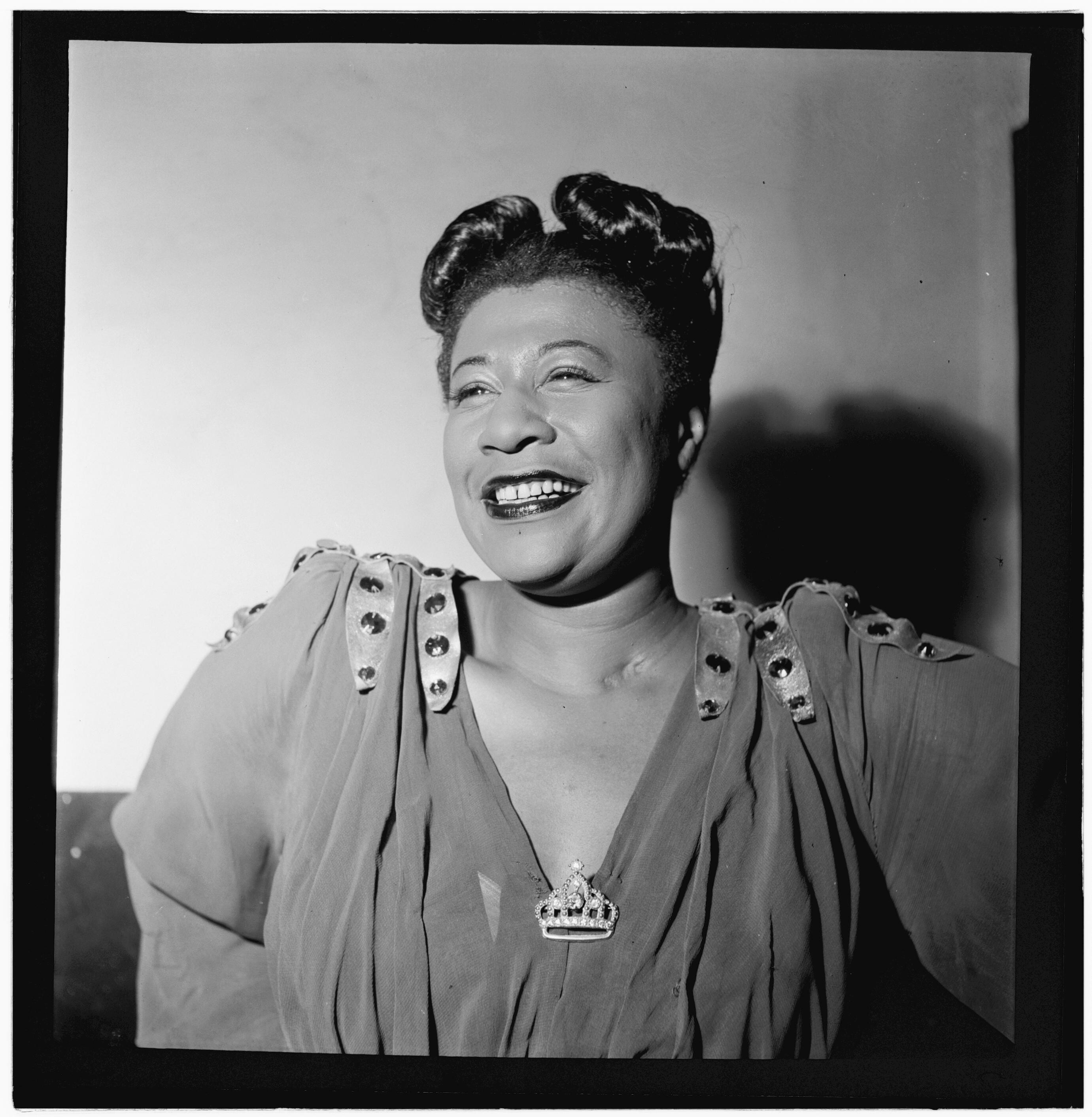
Jazz vocalist Ella Fitzgerald, c. 1946. (William P. Gottlieb Collection, Library of Congress)

Spending time working with jazz-related primary sources in the archives of the Library of Congress and the Smithsonian Institution reminds me of why I love reading and writing about jazz almost as much as I love teaching about and listening to the music!

While reviewing manuscript materials related to the work of vocalist Ella Fitzgerald,  bassist Ray Brown, and jazz impresario Norman Granz this week, I was inspired to set some new SMART publication goals.

Needless to say, I am grateful for the opportunity to live and work near so many great archival collections.

Norman Granz, jazz impresario and long-time manager for Ella Fitzgerald, c. 1947. (William P. Gottlieb Collection, Library of Congress.)

Jazz, teaching, and research give back beautiful gifts–including new ideas for engaging  discussions and publications!

Posted in Uncategorized | Leave a comment

The Revolution Is Now Being Televised and Tweeted!

Screen Shot 2018-01-16 at 4.40.26 PM

I am pleased to announce that the 2017 issue of The Journal of Traditions & Beliefs is now available online.  The theme for this issue is “The Revolution Is Now Being Televised and Tweeted: Black Protest, Preaching, and (Re)Presentations, From the Black Arts Movement to #BlackLivesMatter, c.1965-2016.”

Special thanks to guest editor Sherlynn Allen-Harris and the other authors and artists whose ideas are included in this volume.

I am especially grateful to the late Gil Scott-Heron, whose music provided the soundtrack for my 1970s “coming of age” story and whose words inspired the theme for 2017. As a high school student in Ohio, I listened to music from a variety of genres, but nothing seemed to be more entertaining and enlightening than the music of Gil Scott-Heron. His art reflected an awareness of the key social issues in urban America and in communities across the globe, and some of his songs (including “Is That Jazz?”) were pure celebrations of the best in African American history and culture.

Read all about it at http://engagedscholarship.csuohio.edu/jtb/vol5/iss1/.

Dr. Regennia N. Williams


Posted in Uncategorized | Leave a comment

Scott-Heron, Hughes, and the Blues

Pieces of a Man Book CoverThe more I learn about Gil Scott-Heron, the more I admire him.  I have long been familiar with his work as a poet, pianist, composer, spoken word artist, and the youthful voice of Black protest in the 20th century. It was not until 2017, however, that I discovered how much he had in common with another great writer, Langston Hughes.

Born nearly five decades apart, both Hughes (1902-1967) and Scott-Heron (1949-2011) gained a large readership/listening audience while they were students at Pennsylvania’s Lincoln University.  In their heyday, each man’s work was seen as part of a larger cultural movement; the Harlem Renaissance of the 1920s for Hughes, and the Black Arts Movement of the 1970s for Scott-Heron.

Both men also made liberal use of blues traditions in their work. The Weary Blues (1926), for example, was Hughes’ first published volume of poetry.  In The Life of Langston Hughes, biographer Arnold Rampersad even described Hughes as the “little brown poet of the blues.”

For his part, Scott-Heron was a self-described “bluesologist,” and, according to Marcus Baram, author of Gil Scott-Heron: Pieces of a Man, “He actually coveted any comparison with Hughes, when critics made the reference in their reviews.”  This blog post is not a review, but I am making the reference. Hughes and Scott-Heron remind me of each other, in more ways than I can mention here.

Please join me in celebrating the blues in the art and life stories of Hughes and Scott-Heron during Black History Month 2018.  Even if you don’t get to read their work in February, remember great art is always in vogue! –RNW


Posted in Uncategorized | Tagged , , , , , , , , , , , , , | Leave a comment