The DC Living Heritage Network and the Art and Science of Strengthening Humanities Organizations in DC

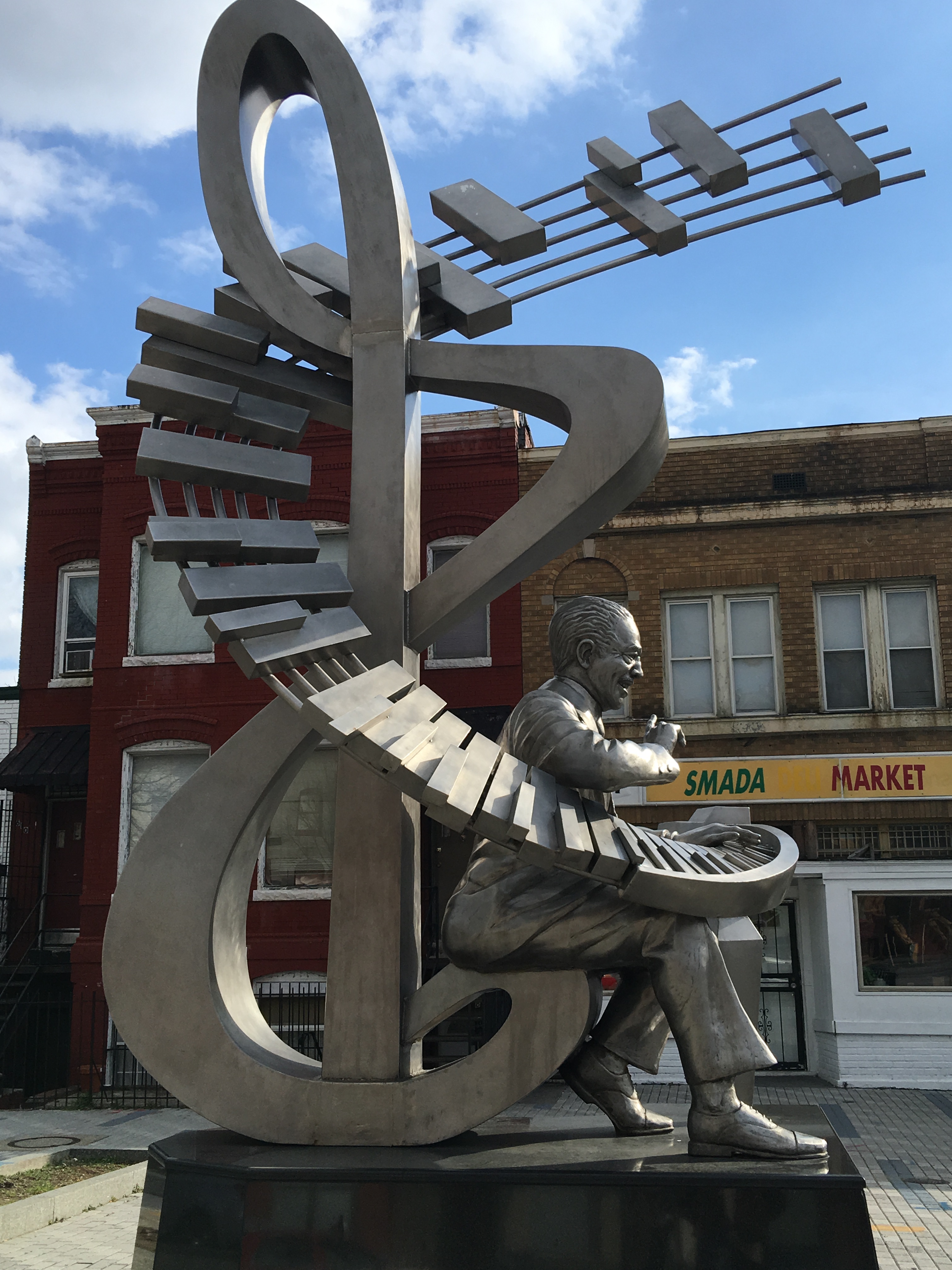
Titled “Encore,” this statue of native Washingtonian and jazz legend Duke Ellington is now a familiar landmark in the historic Shaw-Howard Community. Like many supporters of the DC Living Heritage Network, Ellington explored the linkages between the arts, humanities, and business–often while living in Shaw and/or working in the Greater U Street Corridor.

In the short time that I have been aware of and actively participating in the small group meetings of the DC Living Heritage Network (DCLHN), I have come to appreciate the vital role that creative thinkers play in both the non-profit and for-profit sectors.

A program of Humanities DC, DCLHN is “an active community of cultural advocates that believes in inclusion, collaboration, and capacity building for organizations and individuals supporting the humanities, heritage, and preservation.”

Facilitated by Jerome S. Paige, the group sessions are held at 11:30 a.m. on Tuesdays, at the Mulebone Restaurant  in the Greater U Street Corrider, home to “Black Broadway” and numerous jazz venues in the early 20th century.

Summer 2017 discussions have included such topics as “Writing Business Plans,” “Social Media and Marketing,” and “Building the Strength of Your Brand through Relationships.” Among those who attend on a regular basis are visual artists, directors of performing arts organizations, humanities scholars, educators, and representatives from Humanities DC.

Most recently, Gina Paige, founder of African Ancestry, a company that focuses on African DNA lineage tracing, served as the guest speaker. Launched in 2003, Paige describes her company as an “identity business.”

And what does this for-profit busines that relies so much on the science of genetics have to do with humanities, heritage, and preservation?  For me, the answer can be found in Paige’s statement about the significance of African Ancestry’s heritage-related work: “Knowing where you are from is an important part of knowing who you are.”

For more information on the DC Living Heritage Network, visit http://www.wdchumanities.org/dc-living-heritage-network/.


Save

Save

Save

Save

Save

Save

Save

Save

Save

Save

Save

Posted in Uncategorized | Tagged , , , , , , , , , , , , , | Leave a comment

Covers, Echoes, and New Music from Gregory Porter

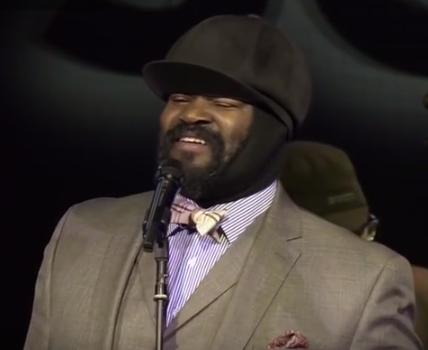
Gregory Porter

What happens when Gregory Porter covers the Temptations (and others’) “Papa Was a Rollin’ Stone,” echoes passages from Marvin Gaye’s “What’s Going On?,” and writes, records, and shares his own 21st-century soulful jazz compositions with the world?  Great music– over and over again!  Listen for yourself.  IJS.

Regennia N. Williams, PhD


Save

Save

Save

Save

Save

Posted in Uncategorized | Tagged , , , , , , , , , | Leave a comment

Lena Horne: Life, Music, Struggle, and Success

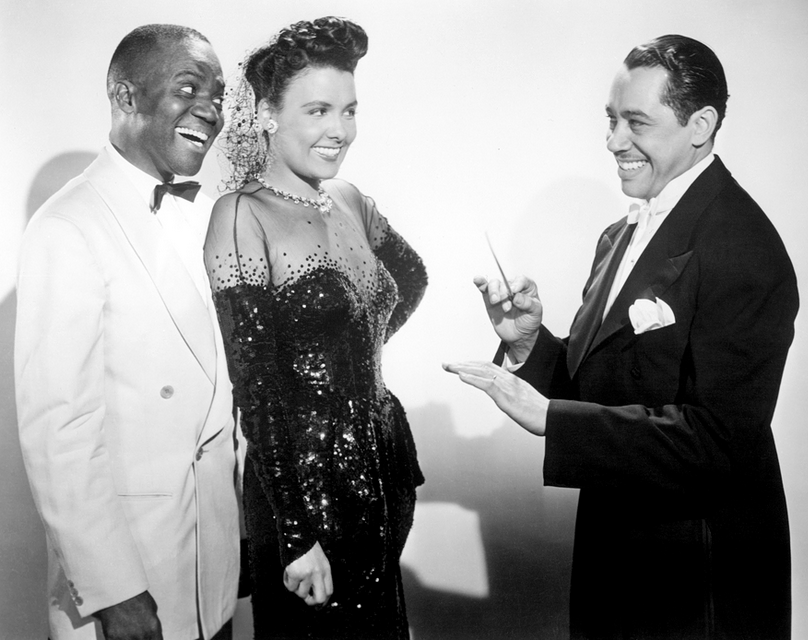
Bill “Bojangles” Robinson, Lena Horne, and Cab Calloway, co-stars of “Stormy Weather,” the 1943 20th Century Fox musical.

As I join others in  commemorating the centennial of the birth of Lena Mary Calhoun Horne (1917-2010), I am reminded of the struggles and triumphs of African American musical artists–in both their public careers and private lives.

This week, I invited the students in my “Jazz Age and the Harlem Renaissance” course at Montgomery College to watch the video of Horne performing  one of her signature works, “Stormy Weather,” (available on Youtube) in the World War II Era classic movie of the same name. By the time of the film’s release in 1943, Horne, who had joined the chorus line at Harlem’s Cotton Club in 1933, was a seasoned professional.

When she was not performing, her social consciousness and political activism led to her participation in the 1963 March on Washington and Civil Rights activities with pianist Billy Strayhorn and other African American artists. While her activism had a negative impact on her film career beginning in the Cold War Era, she enjoyed a decades-long  career as a vocalist and recording artist.

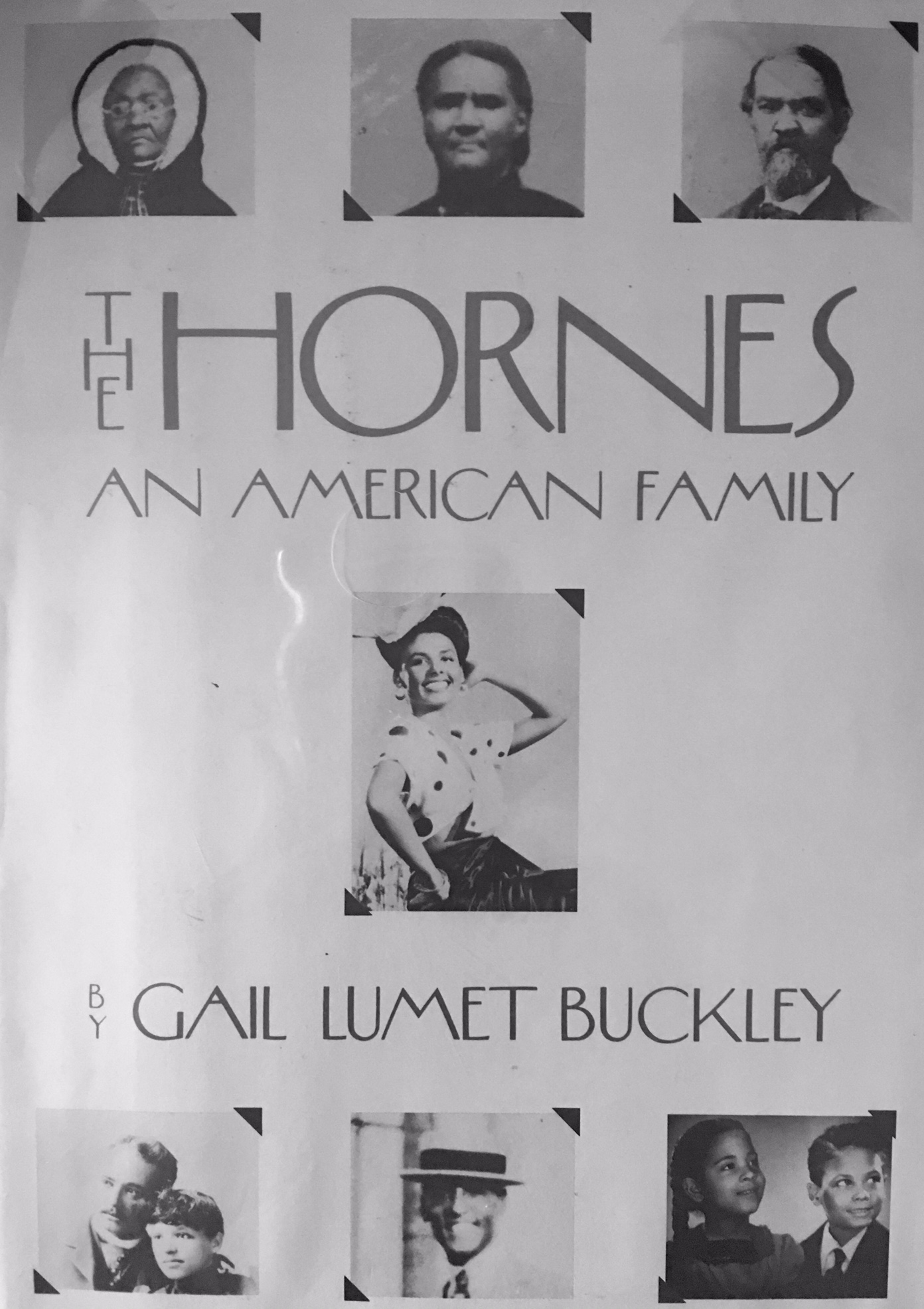
For an engaging look at the extraordinary life of Lena Horne, please see The Hornes, An American Family (Knopf, 1986), by Horne’s daughter, Gail Lumet Buckley.


Save

Save

Save

Save

Save

Save

Save

Save

Save

Save

Save

Save

Posted in Uncategorized | Tagged , , , , , | Leave a comment

“Call and Response” with Keter and Ella

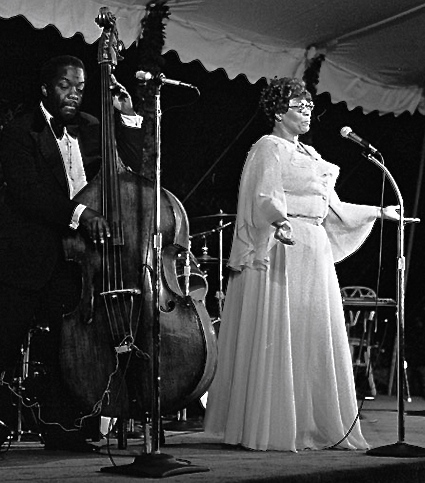
Keter Betts and Ella Fitgerald (Courtesy Gerald R. Ford Library)

The summer of 2017 has been a wonderful season of teaching and learning for me, especially when it comes to those lessons about outstanding musicians.  The music of bassist Keter Betts (1928-2005), for example, continues to provide abundant evidence of the versatility of African American jazz artists and their willingness to share their gifts with and learn from other artists.    As a relative newcomer to the mid-Atlantic region, I also like knowing that Betts’ family has ties to Maryland’s Montgomery College, where I am teaching a course on “The Jazz Age and the Harlem Renaissance.”

Betts, a native of New York state and a longtime resident of Maryland,  is proving to be my go-to bassist for course-related evidence of the rich legacy of the early 20th-century Jazz Age and musical innovations that were introduced to American audiences in subsequent decades–including those associated with Betts’ work with guitarist Charlie Byrd on the Brazilian-inspired “Jazz Samba” and the related growth in the popularity of bossa nova.

I recently invited my Montgomery College students and readers of this blog to listen to a 1986 performance of Dizzy Gillespie’s “A Night in Tunisia,” featuring Keter Betts and Ella Fitzgerald.  Today, I would like to share yet another example of the artists’ mastery of improvisation and their playful (and somewhat unorthodox) use of “call and response” in yet another live performance:  https://www.youtube.com/watch?v=uKNgAAaoD_E

No wonder Keter and Ella are two of my favorite teachers!

Regennia N. Williams, PhD


Save

Save

Save

Save

Save

Save

Save

Save

Save

Posted in Uncategorized | Tagged , , , , , , , , , , | Leave a comment

Singing, Swinging, and Bopping with Dizzy, Ella, and Lena!

Dizzy Gillespie

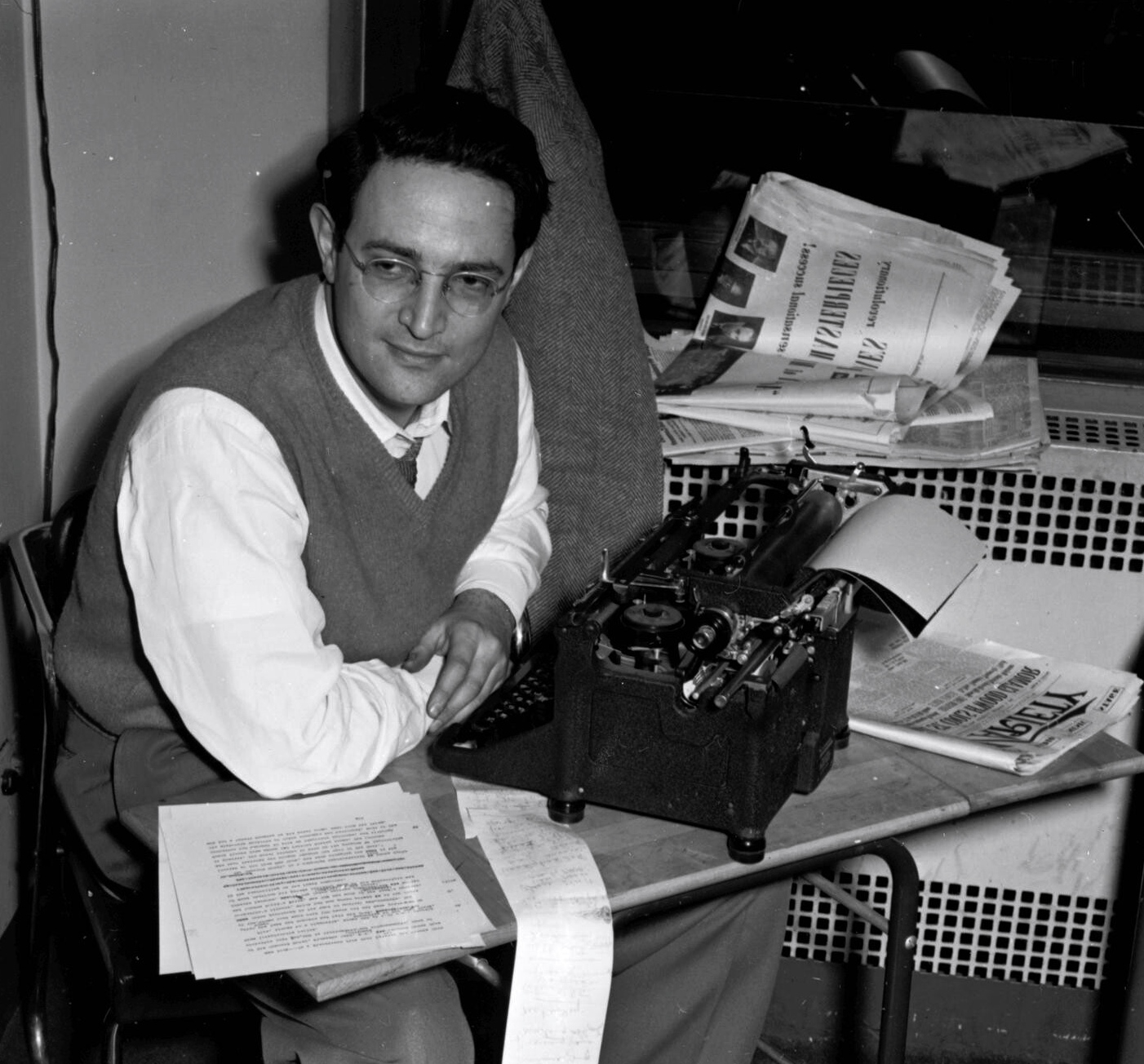
I am certain that writer-photographer William Gottlieb enjoyed his work as a journalist, especially since it afforded him countless opportunities to see and hear many of the greatest jazz artists of all time–including Dizzy Gillespie, Ella Fitzgerald, and Lena Horne.  In 2017, I am celebrating the fact that this genius photographer and the three aforementioned artists (shown here in Gottlieb photos circa 1947) were all born in 1917. (Wonder if they realized at the tender age of 30 that their work would be so essential to defining “The Golden Age of Jazz.”)

The 100th birthday celebrations have already begun, and they will continue through the end of the year.  Please join me as I get my personal blog party started, by checking out the online William Gottlieb Collection (Library of Congress) and listening to a 1986 Wolf Trap performance of Gillespie’s “A Night in Tunisia,” featuring Ella Fitzgerald and bassist Keter Betts.

Happy birthday to William, Dizzy, Ella, and Lena, and happy viewing and listening to you!  — Regennia N. Williams, PhD

Ella Fitzgerald


Lena Horne


William Gottlieb

Save

Save

Save

Save

Save

Save

Save

Save

Save

Save

Save

Save

Save

Posted in Uncategorized | Tagged , , , , , , , , | Leave a comment

Heading “Back to School” in Maryland This Summer and Taking Some of My Favorite Former Washingtonians with Me!

It’s “Back to School” month for the students in my “Jazz Age and the Harlem Renissance” class at Montgomery College, and I would like to invite you to join us in reading (and/or viewing and listening to) materials related to this incredible era in American history. Feel free to check out the following on your own. and remember that great music and great books can brighten any day–especially when there are no pop quizzes and exams!

Articles and Essays:

“James Reese Europe, 1881-1919”

Library of Congress Biographical Sketch

https://loc.gov/item/ihas.200038842


“Memoirs of ‘Jim’ Europe,” ca. 1942, by Noble Sissle

Typescript manuscript. NAACP Papers, Manuscript Division, Library of Congress

https://www.loc.gov/exhibitions/world-war-i-american-experiences/online-exhibition/world-overturned/returning-home/james-reese-europe-and-jazz/


*“The New Negro,” Alain Locke (1925)

*“The Negro Digs Up His Past,” Arthur Schomburg (1925)

*“The Negro Artist and the Racial Mountain,” Langston Hughes (1926)

*“How It Feels to Be Colored Me,” Zora Neale Hurston (1928)

*The above documents are available on numerous websites.


Recommended Books on the Harlem Renaissance and Its Legacy:

Valerie Boyd, Wrapped in Rainbows: The Life of Zora Neale Hurston (2003)

Alyce Claerbaut (editor), Strayhorn: An Illustrated Life (2015)

Harvey G. Cohen, Duke Ellington’s America (2010)

Ingrid Monson, African Diaspora: A Musical Perspective (2003)

Ingrid Monson, Freedom Sounds: Civil Rights Call Out to Jazz and Africa (2010)

Howard Pollack, George Gershwin: His Life and Work (2006)

Arnold Rampersad, The Life of Langston Hughes (Second Edition, 2002)

Save

Save

Save

Save

Save

Save

Save

Save

Save

Save

Posted in Uncategorized | Leave a comment

Never a Dull Moment in Washington, DC’s Shaw-Howard Community!

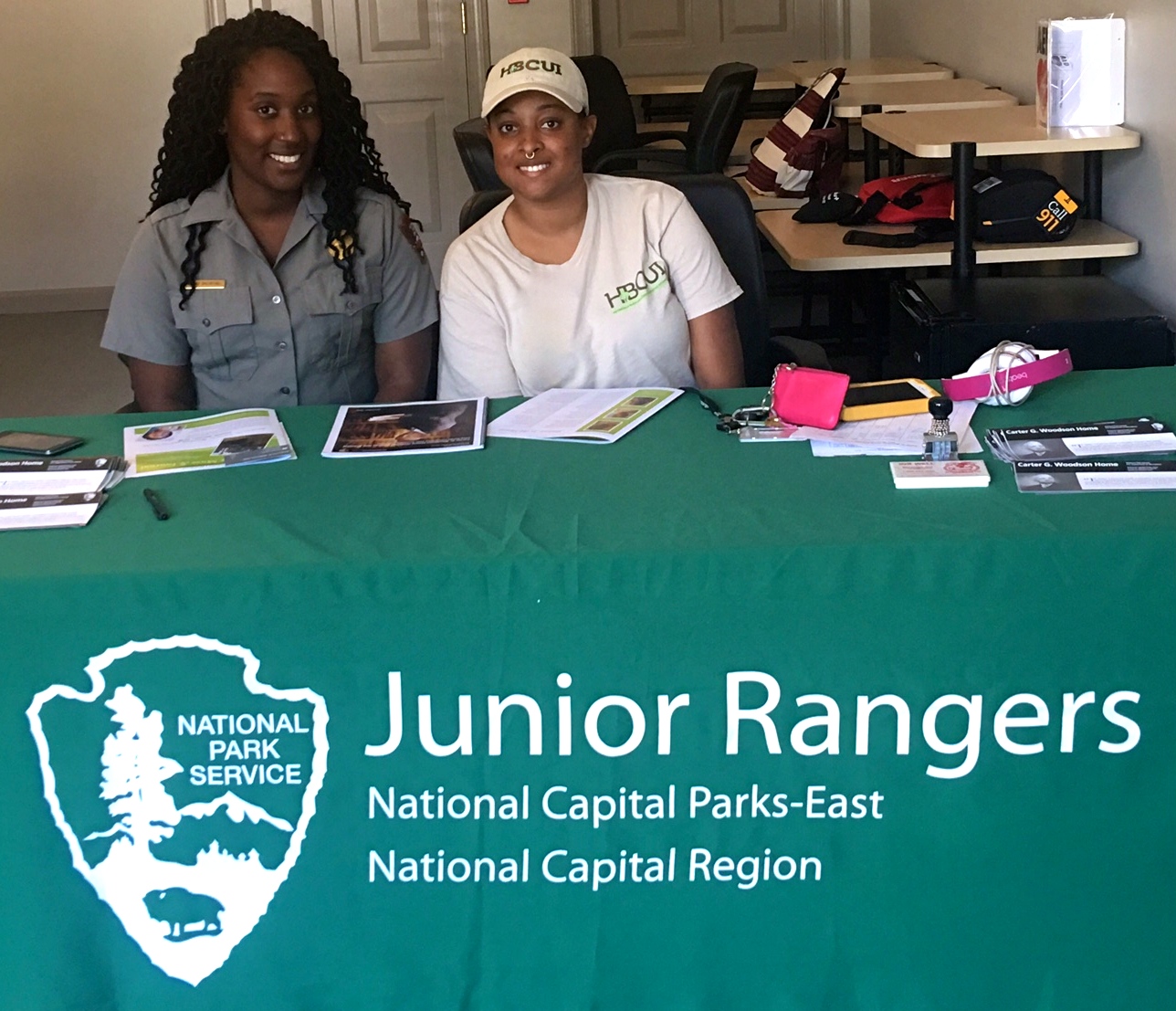
Rangers from the National Parks Service and interns working with the Historically Black Colleges Initiative (HBCUI) have a wonderful way of welcoming visitors to the Carter G. Woodson Home National Historic Site in the Shaw-Howard Community.

I am very fond of the people in Washington, DC’s Shaw-Howard Community–especially those who live, work, and worship on or near Ninth Street, NW.  On any given Sunday, you are likely to see them heading to the historic Shiloh Baptist Church, dining at a New Orleans/Cajun/Creole-style restaurant, relaxing in the park, or visiting the Dr. Carter G. Woodson Home National Historic Site at 1428 Ninth Street. On two beautifully sunny days, the fourth Sunday in June and the first Sunday in July, many were willing to smile for my camera, so I decided to share a few of my photos, their smiles, and a little of that reflected sunsine with the readers of my blog and newsletter this month.  ENJOY!

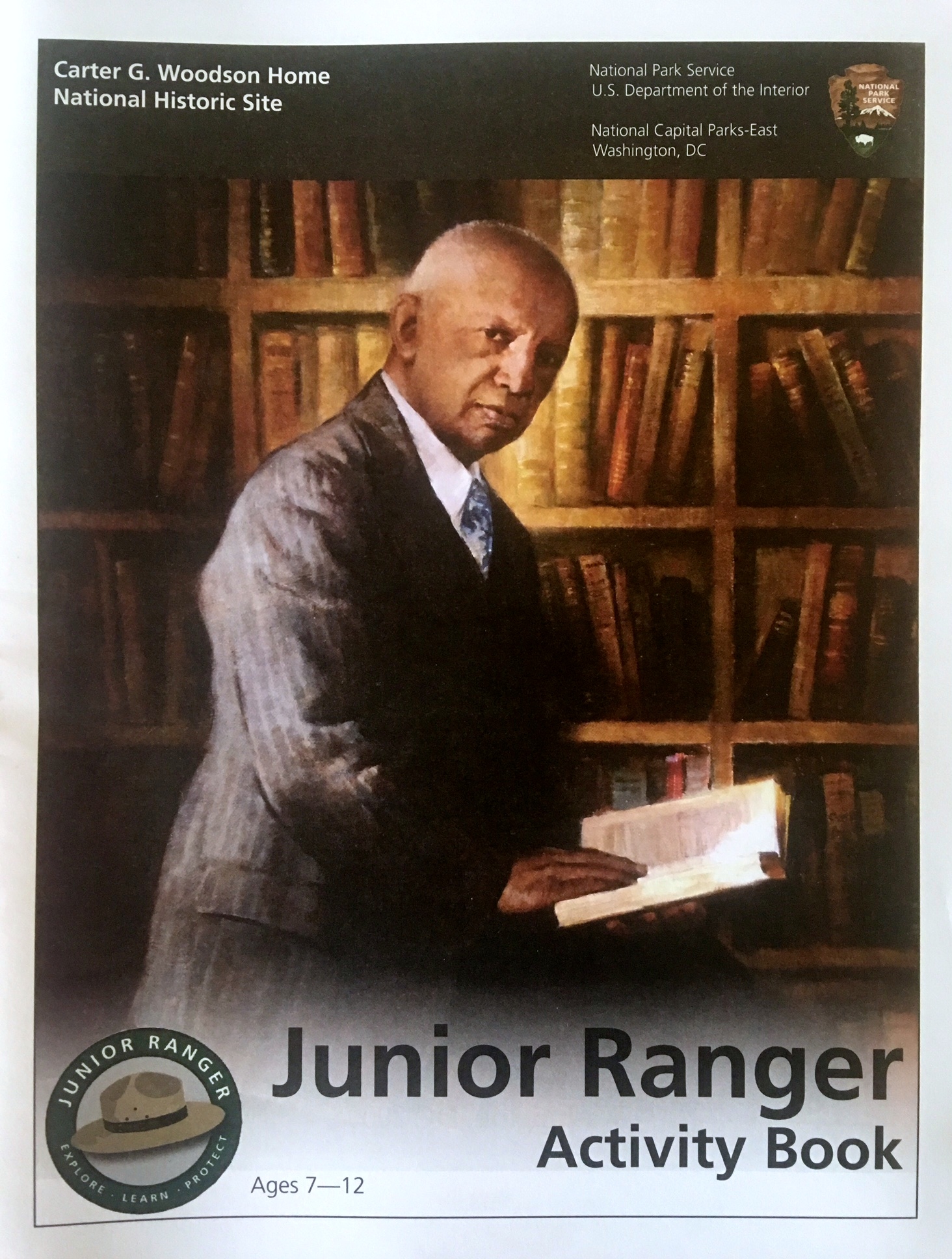
The Dr. Carter G. Woodson Home National Historic Site.

On the afternoon of Sunday, June 25, 2017, hundreds of Prince Hall Masons marched in a grand parade down Ninth Street, NW and gathered at the Shiloh Baptist Church for a special program.

Everything about this gentleman–from his Omega Psi Phi hat to the regalia of the Prince Hall masons–reminds onlookers of the rich traditions of African American fraternal and benevolent organizations.

The congregation at Shiloh Baptist Church has a special welcome song for guests which says in part, “Ninth and P is the place to be. We are glad you’re here today!”

People of all ages, including Junior Rangers, are sure to find something that will make them smile in Shaw-Howard!

For more information on the NPS and its work in the Howard-Shaw Community, please visit https://www.nps.gov/cawo/index.htm.

Save

Save

Save

Save

Save

Save

Save

Save

Posted in Uncategorized | Tagged , , , , , , , | Leave a comment

Jazz in Retrospect: From “Come Sunday” to “Divine Music”

Queen Esther Marrow

Regennia N. Williams, PhD

During a year-long journey through recent jazz history, I discovered that many artists continue to view jazz as spiritual music.  Others describe it as nothing less than divine.  Some even borrow a line from Duke Ellington and suggest that the music is “beyond category.”  My work as an oral historian is allowing me to gain a better understanding of the evolving meaning of jazz–for artists and audiences alike.

In May 2016, I had the pleasure of interviewing Ms. Queen Esther Marrow for RASHAD’s Praying Grounds Oral History Project.  Marrow, an incredible alto vocalist, sang “Come Sunday” and other solo works during the premiere performance of Duke Ellington’s 1965 Concert of Sacred Music. (If you follow this link for Come Sunday,  you can hear her rendition of this classic, beginning at minute 44 of the YouTube video.)

Having performed with Ella Fitzgerald, Lena Horne, Mahalia Jackson,  and other legends, Marrow’s singing career continues unabated.  In recent years, this soulful singer and current resident of Newport News, Virginia founded the Harlem Gospel Singers, and she has toured and performed with this group throughout Europe.

Brother Ah


In May 2017, the Rev. Dr. Sandra Butler-Truesdale and I finished up round one of our series of interviews for the Washington DC Jazz Oral History Project.  The final session for this series focused on the life and work of Brother Ah (Mr. Robert Northern), an 83-year-old DC resident,  radio programmer, and multi-instrumentalist, whose credits include work with Miles Davis, John Coltrane, Sun Ra, and Thelonious Monk, among others.  Manufactured Recordings recently released Brother Ah’s three-album set, “Divine Music.

Marrow and Brother Ah are two of the 21 artists and/or friends of the musical arts who have shared oral history narratives, photographs, and other materials with our research team. We look forward to conducting additional interviews and sharing this history with you, through the Washington DC Jazz book (forthcoming from Arcadia), and other publications, public programming, and archival collections.

Special thanks to the individuals listed below for taking the time to speak with us from May 2016 through May 2017:

Kush Abadey

Nasar Abadey

Brother Ah (Robert Northern)

The Rev. Dr. Sandra Butler-Truesdale

The Rev. Dr. Ginger Cornwell

Donald Edwards

Chip Ellis

Keanna Faircloth

Janine Gilbert-Carter

Je’Lan Harwell

Kim Jordan

Manuel Kellogh

Queen Esther Marrow

Mark Meadows

Aaron Myers

Jeffrey Neal

Lavenia Nesmith

Moshe Snowden

Coniece Washington

Lori Williams

Rainy Williams

Save

Save

Save

Save

Save

Save

Save

Save

Save

Save

Save

Save

Save

Save

Save

Save

Posted in Uncategorized | Tagged , , , , , , , , , , , , | Leave a comment

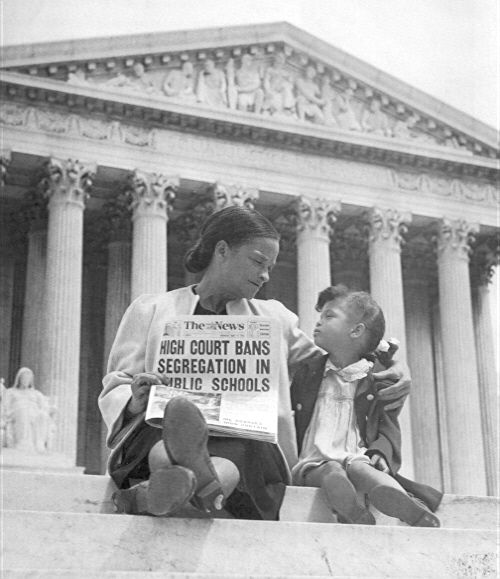
Education and History Still Matter: Remembering May 17, 1954

On the steps of the Supreme Court Building in Washington DC, May 1957.

Because I understand the ongoing struggle to secure equal access to quality education for all people in the United States, I intend to take full advantage of continuing education and professional development opportunities, and then apply what I learn in my classroom teaching, in my work with my non-profit organization, in my neighborhood, in the voting booth, and throughout the global community.

#NeverForget   #BackToGradSchoolSummer2017   #StudentForLife

Regennia Nanette Williams, PhD


Save

Save

Save

Save

Posted in Uncategorized | Tagged , , , , , , | Leave a comment

History, Humanity, and the Humanities: Getting to the Art of the Matter

Entrance to the African Burial Ground National Monument in New York City.

      As an educator and an arts lover, I have always been very proud of the fact that history, my chosen field of study and, by definition, one of the humanities, invites people to give careful consideration to the ways in which cultures, institutions, and nations have changed over time.

Recently, Dr. Sandra Jowers-Barber, Director of the Division of Humanities at the University of the District of Columbia’s Community College, invited me to serve as one of the faculty participants in a public history activity that included a visit to New York’s African Burial Ground National Monument.  These kinds of student-centered excursions, my ongoing oral history research on jazz, and current debates about the future of federal support for the arts and humanities programs (among others) have convinced me that humanity still needs the humanities — perhaps more than we have ever needed them in the more 50-year history of the National Endowment for the Humanities (NEH).

Life-sized wax figures in the gallery of the African Burial Ground National Monument depict a funeral and burial scene among enslaved Africans in America.

My views on this topic are directly related to the following definition from the NEH website:

“The term ‘humanities’ includes, but is not limited to, the study and interpretation of the following: language, both modern and classical; linguistics; literature; history; jurisprudence; philosophy; archaeology; comparative religion; ethics; the history, criticism and theory of the arts; those aspects of social sciences which have humanistic content and employ humanistic methods; and the study and application of the humanities to the human environment with particular attention to reflecting our diverse heritage, traditions, and history and to the relevance of the humanities to the current conditions of national life.”
–National Foundation on the Arts and the Humanities Act, 1965, as amended

Pictured here in the DC offices of Gibson Guitar are (left to right) Coniece Washington (vocalist), Je’Lan Harwell (guitarist), and the Rev. Dr. Sandra Butler-Truesdale, founder and director of DC Legendary Musicians, Inc. and co-author with Dr. Regennia N. Williams of Washington DC Jazz (under contract with Arcadia Publishing.)  Dr. Williams interviewed Ms. Washington and Mr. Harwell for the Washington DC Jazz Oral History Project on May 3, 2017.

Decisions that our predecessors made have shaped our lives in a myriad of ways.  When future generations examine the evidence related to decisions about our investments of time, talent, and treasure, they will gain a better understanding of what we valued and held sacred.

History has taught me that investments in humanity and the humanities pay big dividends, and that is a lesson that I try to pass on to others.

Save

Save

Save

Save

Save

Save

Save

Save

Save

Save

Save

Save

Save

Save

Save

Save

Save

Save

Save

Posted in Uncategorized | Tagged , , , , , , , , , , , , , , , | Leave a comment