Washington DC Jazz Oral History Project, Chapter 23 – Final Chapter in Part I, “Straight-Ahead Jazz”

“I heard a young minister, William Lamar from Metropolitan AME Church, say, ‘All music is God’s music!’” –The Rev. Dr. Sandra Butler-Truesdale

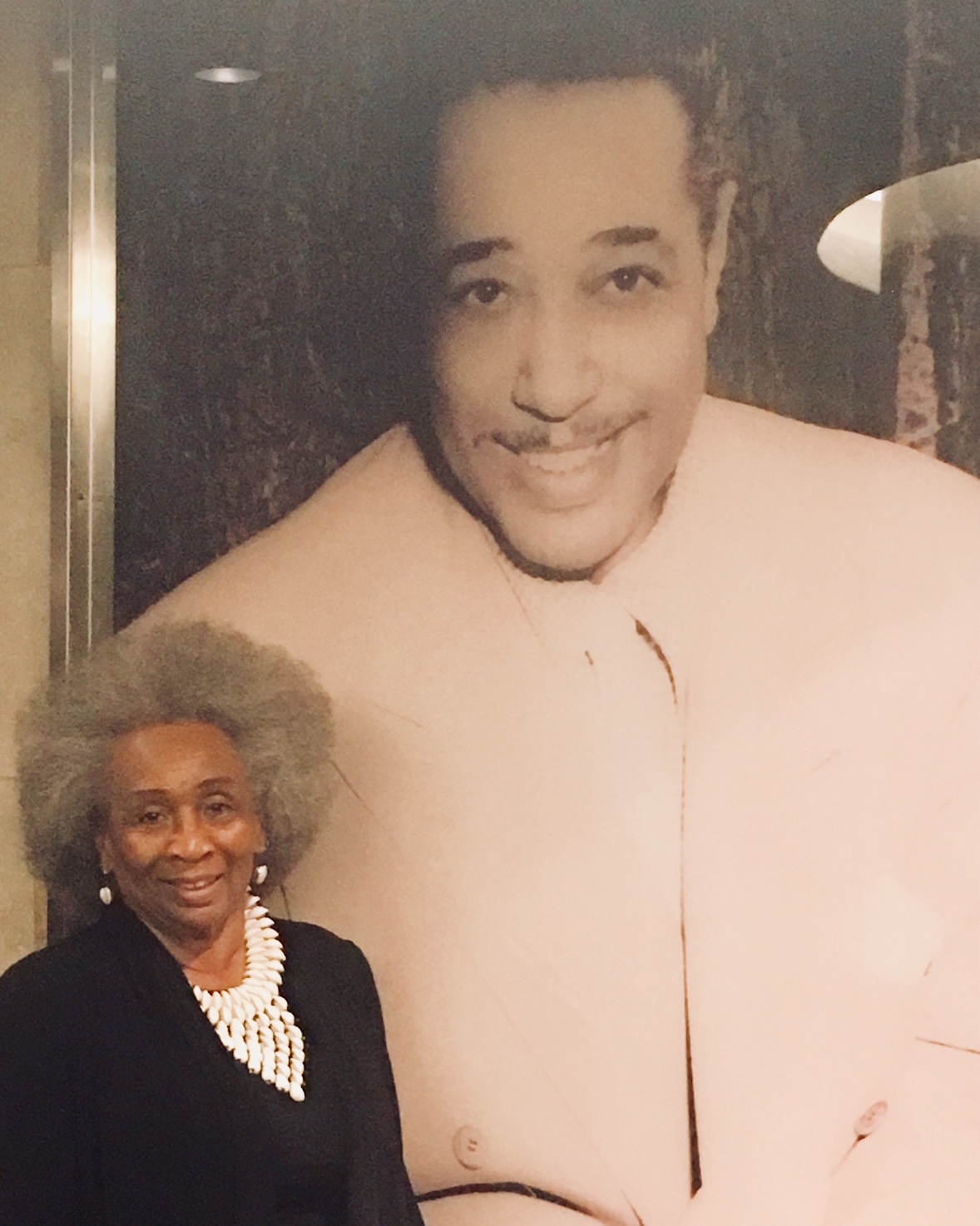
The Rev. Dr. Sandra Butler-Truesdale

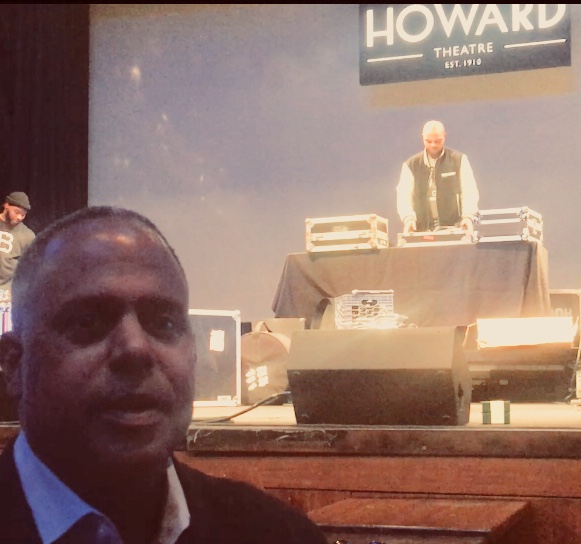
THE REV. DR. SANDRA BUTLER-TRUESDALE is the founder and director of DC Legendary Musicians, Inc. I interviewed her on May 9, 2017 for the Washington DC Jazz Oral History Project. That interview took place at the historic Howard Theatre, and I am pleased to share part of that interview with you.

*The following passages contain excerpts from the full interview.

“This is my home. I am a fourth-generation Washingtonian. I call myself a Washington DC historian. It’s an unofficial title only because I am not a learned historian. I did not get a degree as a historian. But, because I have been here all my life, and, somehow people are always asking me questions about Washington DC, Channel 24 gave me that title as a historian for Washington, DC . . .”

“I am going to tell you that there are two Washington DCs. There is the ‘Federal City ‘and then there is the ‘Community’ part of Washington DC. I am not a ‘Federal City’ historian. I am a ‘Community’ historian. That is different, because a lot of people don’t really know that there is a city that surrounds the federal enclave. . . . There are people who really don’t know that there are people who actually live in Washington DC.”

“There is an endearment, I think, among those of us who were born here, who are residents here. As a matter of fact, there is, according to those of us who were born here,  a difference between the ‘Washingtonian’ and  the ‘Native Washingtonian.’ There is even a difference in ‘how many generations of Washingtonians’ you think you are. . . Terms of endearment: ‘Native Washingtonian’ and ‘Washingtonian.”. . . I am a fourth-generation ‘Native Washingtonian!’”

“. . . The whole city is mine, but I am a “Northwest Girl.” My mother and my grandmother and my great grandmother all were from Northwest Washington. We come from what was once known as “Midcity” and is now known as Dupont Circle. I was raised–my mother, grandmother, and great grandmother–at 1458 Corcoran Street NW, Washington DC . . . Northwest . . .”

“. . . I heard a young minister, William Lamar from Metropolitan AME Church, say, ‘All music is God’s music.’ I had never really thought about it that way. I had never really thought about ‘secular,’ in particular. I always loved music. I was raised on March and Jazz and Classical music I became involved in religious music at the age of nine, at the Church of God pastored by Elder Lightfoot Solomon Michaux. I sang in several choirs. I still had not figured out that there was a difference in the music. Dr. Lamar explained that for me. [He is] a brilliant minister in the AME faith.”


Interview Date: May 9, 2017

All Interviews Conducted, Recorded, and Reviewed by

Dr. Regennia N. Williams

Life Member, Oral History Association

Founder and Director, The RASHAD Center, Inc.

For more information, please visit: https://rashadcenter.wordpress.com/.


*Photograph by Dr. Regennia N. Williams; Courtesy of Dr. Regennia N. Williams.


DC, Legendary Musicians, Inc.

http://dclmusicians.org/


#WashingtonDCJazz

#DCLegendaryMusicians

#OralHistoryRocks
 

Posted in Uncategorized | Tagged , , , , , , , , , , , , , | Leave a comment

Washington DC Jazz Oral History Project, Chapter 22

“I am very passionate about performing.” –Nia Alsop

Nia Alsop


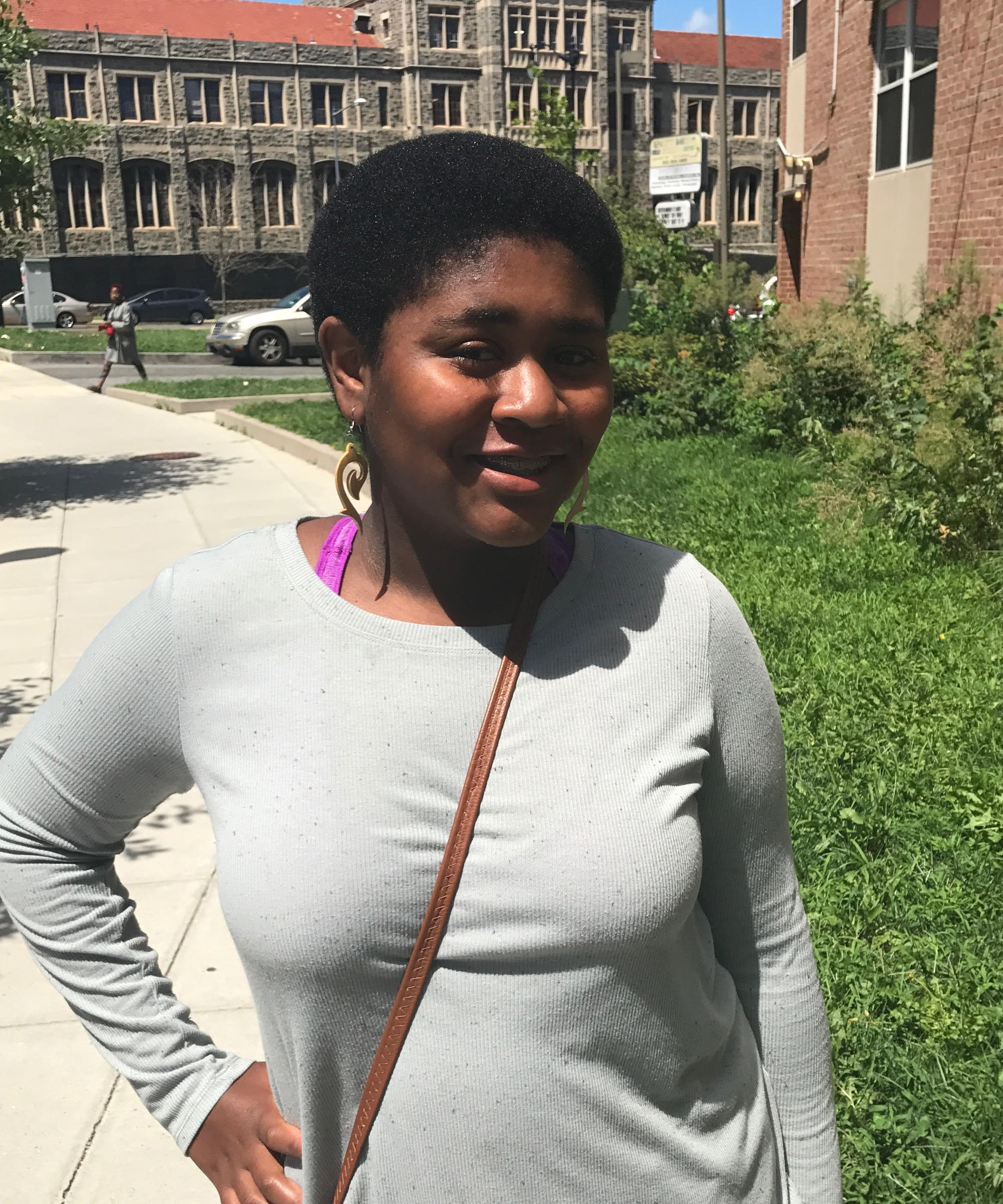
NIA ALSOP—a native of Baltimore, Maryland, is an alto who loves Jazz and musical theater. Born in 2004, she was one of the youngest narrators for the Washington DC Jazz Oral History Project. During her interview on January 15, 2018 – the 89th anniversary of the birth of the Rev. Dr. Martin Luther King, Jr.—Ms. Alsop discussed her musical mentors, teachers, and some of her favorite vocalists.

*The following passages are excerpts from the full interview.

“I have been a musician ever since I was five years old. My voice is my primary instrument of choice. I was born in Baltimore, Maryland in 2004. . .”

“My parents loved music, no matter the genre. I like a lot of Soul and Oldies, because that is what my mother listened to a lot, so those were my favorite genres. Now, I am more into musical theater and Broadway-style songs.”

“When I was younger, my mentor was my music teacher, Mrs. Latoria Pergerson. As I got older, it was Mrs. Denyse Pearson [-Williams]. She was my vocal coach. [Mrs. Pergerson] used to teach music at my elementary school, but now she has transferred over to my middle school, so she is still a vocal teacher for me [in 2017].

“Most of the time, I’m singing with my school ensemble, but sometimes solo vocal opportunities present themselves . . . Last year, I was singing with my ensemble, and we focused on African songs, in different African languages. Now, we are learning slave hymns, but we just got done learning the ‘Hallelujah Chorus,’ so it varies a lot . . .”

“[Mrs. Denyse Pearson-Williams] really helped me a lot. I would go over her house during the weekends, and she would just teach me things– like basic vocal exercises, just to warm up my voice, and how to preserve my voice. She taught me about what parts of my body to use to sing—and what parts you shouldn’t use. She was just really great about helping me discover my voice . . . We would focus on Jazz music. Her husband would usually play an instrument, she would play the piano, and we would sing Jazz songs . . .”

“I like the way [Esperanza Spaulding’s] voice sounds. It is very smooth, and I like the message she gives out—like in her song ‘Black Gold.’ I like that song a lot.”

“I am very passionate about performing. I am more into musical theater-type performing. That is because I have visited New York a lot, and I got to see great plays a lot. So it inspired me to want to be on Broadway. Now, mostly what I listen to is musical theater songs . . . “

“One of my favorite artists is Barbra Streisand, because she has a really strong voice, and she hits really high notes . . . Another musician that has inspired me is Minnie Riperton, because of her style of music and the way that she expresses herself. I love her music.”


Nia Alsop Singing “Out Here on My Own”

https://youtu.be/D4OBofZMIYg


Interview Date: January 15, 2018, with the Permission of Her Mother.

All Interviews Conducted, Recorded, and Reviewed by

Dr. Regennia N. Williams

Life Member, Oral History Association

Founder and Director, The RASHAD Center, Inc.

For more information, please visit: https://rashadcenter.wordpress.com/.


*Photograph Courtesy of Kelly Navies.


#WashingtonDCJazz

#DCLegendaryMusicians

#OralHistoryRocks
 

Posted in Uncategorized | Tagged , , , , , , , , , , | Leave a comment

Washington DC Jazz Oral History Project, Chapter 21

“I just couldn’t get away from the music!” – Keanna Faircloth

Keanna Faircloth

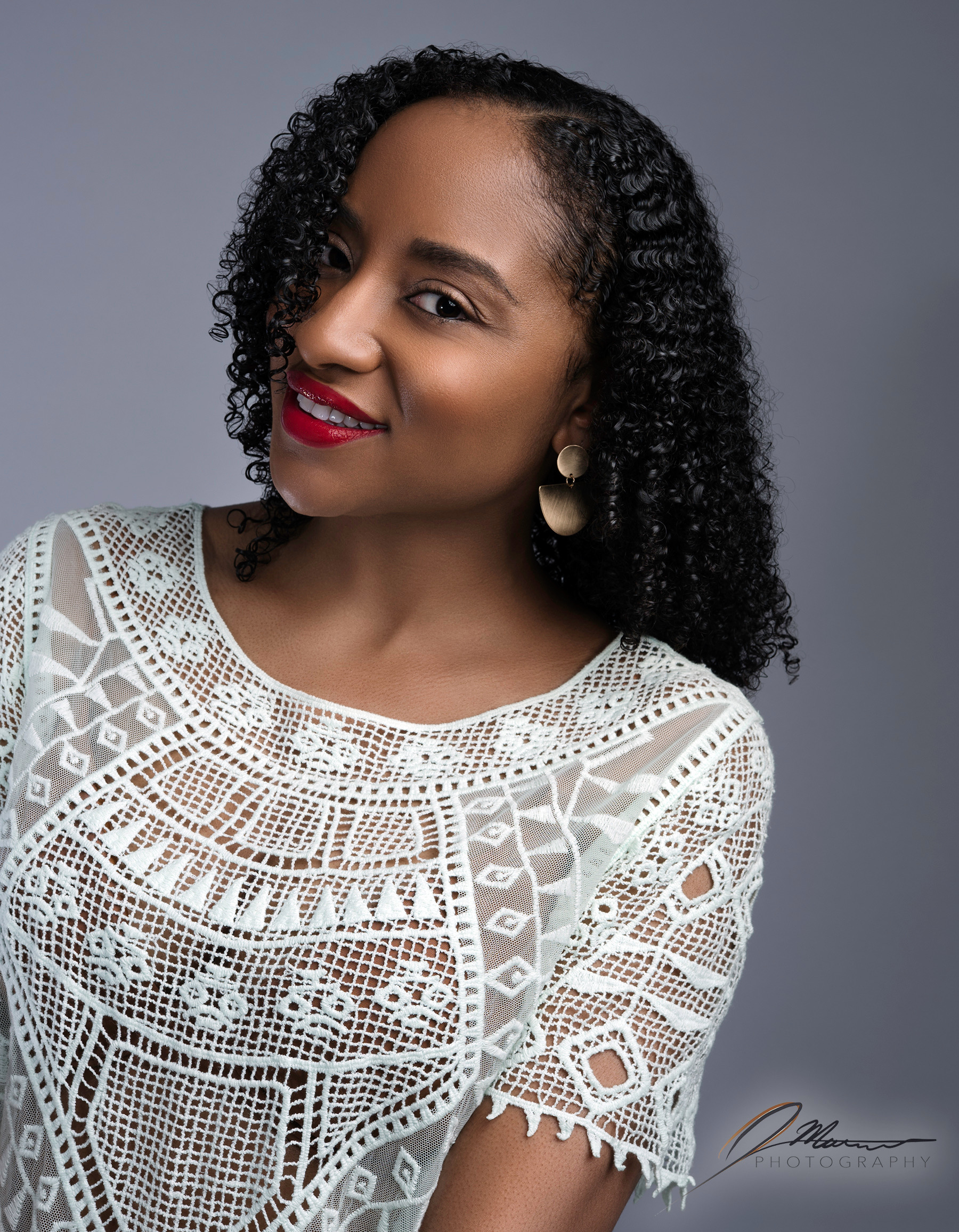
KEANNA FAIRCLOTH – a native Washingtonian and Howard University alumna, is the host of “Tuesday Evening Jazz” on WPFW 89.3 FM.  During her May 13, 2017 interview for the Washington DC Jazz Oral History Project, she discussed, among other things, her music-loving parents and her early exposure to the performing arts.

*This following passage is an excerpt from the full interview.


“I am Keanna Faircloth, and I am an on-air programmer and host of “Tuesday Evening Jazz” at WPFW 89.3 FM. I started there in August of 2003, so it will be 14 years in August [2017]. I started working, actually, for WKYS 93.9 FM when I was in high school . . . But my first opportunity hosting my own program was with WPFW. It was absolutely the mission –“Jazz and Justice” / the music and the message–and  especially Jazz [that attracted me to WPFW].”

“I grew up in DC, born and raised here. I was kind of an odd kid, I guess. I loved Jazz from a very young age. My parents actually exposed me to Jazz when I was very young, and I would find myself being the only kid in the Jazz club– at Blues Alley with my parents– watching different groups. I came to love the music.”

“I grew up playing piano myself. When I found out about WPFW, it was like something led me to walk to the station from Howard one day. I was a student at Howard University, a sophomore at the time. I just simply wanted to inquire about an internship, so I walked I don’t know how many blocks from Howard to WPFW, when they were located on Champlain Street in Adams Morgan . . .”

“I went up there, and the first person I met was Yolanda Turner, who was the Music Director at the time. She was kind enough to say, “Yeah, we can make a space for you, if you just come and volunteer your time.” And the rest is history.”

“One day, I was there interning–doing the Jazz Calendar, which was one of my assignments– and the host for the “Midday Jazz” program that Tuesday was not able to come in for some reason, and they didn’t have anybody to host the show. Just like that, she was like, “Well, do you want to fill in?” (Laughter] I reluctantly said yes, but I must have done an okay job . . . I ended up hosting “Midday Jazz” for about nine years after that.”

“. . . I love Jazz, and I wanted to help the station in some way, not necessarily with the goal of hosting a show. I don’t know if it was a God thing or what. The opportunity presented itself very suddenly, as I mentioned, and I just found myself falling in love with the station, sticking around, 14 years later . . .”

“I went to Howard. I was a Music History major, and I minored in Classical Piano. I was, at one point, a musician. I still teach piano to children.  I also sang; I was a member of one of the Jazz choirs at Howard, SaaSy [a women’s Jazz vocal group] . . . After graduation, I sang a little bit with Afro Blue, which is the Jazz vocal ensemble. I love music and I am musically-inclined myself.”

“[My parents] are lovers of music and always exposed me to music and the arts. I grew up participating in choirs. I sang with the Children’s Gospel Choir of America. I did two tours of Europe as a child, where I sang and also played piano. I danced with the DC Youth Ensemble, and studied piano, mostly under the tutelage of a woman named Claretta Carroll, out in Temple Hills, Maryland.”

“I went to [Benjamin] Banneker High School. I wanted to go to Duke Ellington [School of the Arts]. I auditioned, I got in, but my mom said, “Well, I think you should focus more on the academics.” So the decision was made to go to Banneker, which I don’t regret, but I continued to study piano on the side. I just couldn’t get away from the music. Upon graduating from Banneker, I did get a scholarship to Howard for Music, so I did get back into it, eventually.”


Interview Date: May 13, 2017

All Interviews Conducted, Recorded, and Reviewed by

Dr. Regennia N. Williams

Life Member, Oral History Association

Founder and Director, The RASHAD Center, Inc.

For more information, please visit: https://rashadcenter.wordpress.com/.


*Photograph Courtesy of Keanna Faircloth.


DJ Keanna Faircloth Promo

https://youtu.be/iab3skxgHmo

WPFW 89.3FM

http://www.wpfwfm.org/radio/

The Division of Fine Arts at Howard University

https://youtu.be/IQn8Vp8dzVA


#WashingtonDCJazz

#DCLegendaryMusicians

#OralHistoryRocks
Posted in Uncategorized | Tagged , , , , , , , , | Leave a comment

Washington DC Jazz Oral History Project, Chapter 20

“My style encompasses all of the styles that have influenced Jazz over the last hundred years.” – Kush Abadey

Kush Abadey

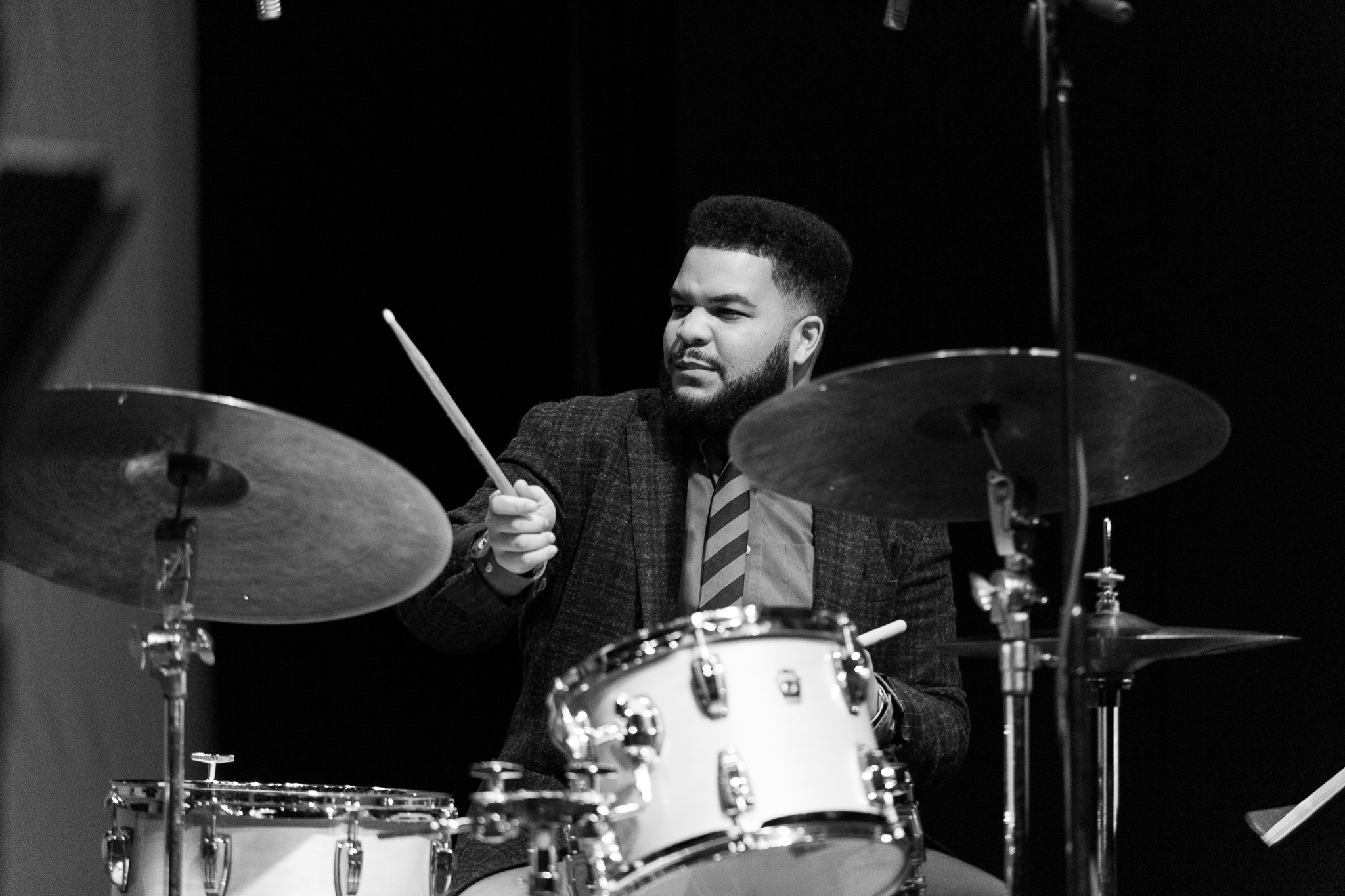
KUSH ABADEY – a native of Silver Spring, Maryland, is now based in New York City. He is a highly sought-after drummer for both live performances and studio sessions. The son of master drummer Nasar Abadey and Baiyina Abadey, Kush Abadey credits his parents with introducing him to the formal study of music and supporting his decision to become a professional performing artist. During his May 4, 2017 interview for the Washington DC Jazz Oral History Project, he discussed, among other things, his educational journey—from his preschool days at the Howard University Early Learning Program, to home schooling during his senior year in high school, through undergraduate studies at the Berklee College of Music.

*This following passage is an excerpt from the full interview.

“I have worked as a professional musician for the last 16 years of my life, and I am now [in 2017] 26 years old . . . I started preschool at the Howard University Early Learning Program. . . The first and the biggest influence that I have had up until now is my father, Nasar Abadey. He began [teaching] me on the drums at the age of two. I also began to play hand drums when I was in elementary school, and I took a djembe class. At the age of six, I started to take piano lessons with a guy by the name of Harlan Jones. I studied with him from the age of six until about 13, and he gave me a great deal of information.”

“After that, maybe by the age of 13, I started studying with a world percussionist by the name of Tom Teasley at the Levine School of Music. He taught me a wide range of percussion techniques, and he taught me how to read different percussion instruments—how to read them on paper, how to also write certain rhythms out. He taught me snare drum and other orchestral percussion. I studied with him for maybe five years . . .”

“I also studied jazz composition and improvisation at the Levine School of Music with Jeffrey Chappell, a piano player. Then I got a full scholarship to the Berklee College of Music in 2009 . . . Terri Lyne Carrington was actually the reason I went to Berklee, so I studied with her. And I studied with Ralph Peterson there, Yoron Israel, John Ramsey, and quite a few others in composition and other things.”

“I am currently living in New York . . . I moved here in 2012, [following] a year hiatus after Berklee. I went back to DC for about year, then I came to New York.”

“[Key influences include] my father and trumpeter Wallace Roney, who molded me from the age of 16 to, I would say, around the age of 23, in developing a voice of my own and influencing my playing and approach to the music, how to play the drums, how to write music. I think those two [musicians] had a very strong role in that, and still do . . .”

“My style encompasses all of the styles of that have influenced jazz over the last hundred years. I would say I don’t limit my style of playing to just Straight-Ahead, although Straight-Ahead Jazz does and will always have a huge influence on my playing, whether I am playing R&B, Reggae, Rock . . . The improvisational element and the reaction element of Jazz, will always affect whatever I play.”

“It’s kind of hard to really label how I play, stylistically. When people ask me, I just say I am primarily, at heart, a Jazz drummer, but I try to stay as versatile as possible.”

Interview Date: May 4, 2017

All Interviews Conducted, Recorded, and Reviewed by

Dr. Regennia N. Williams

Life Member, Oral History Association

Founder and Director, The RASHAD Center, Inc.

For more information, please visit: https://rashadcenter.wordpress.com/.


*Photograph Courtesy of Kush Abadey.


Blues for Kush!


#WashingtonDCJazz

#DCLegendaryMusicians

#OralHistoryRocks
 

Posted in Uncategorized | Tagged , , , , , , , | Leave a comment

Washington DC Jazz Oral History Project, Chapter 19

“In high school, I was listening to drummers like Cozy Cole, Ed Thigpen, Max Roach, Buddy Rich, and Art Blakey . . . My mentor to this very day is Harold Jones.” — Manuel Kellough

Manuel Kellough, Master Drummer


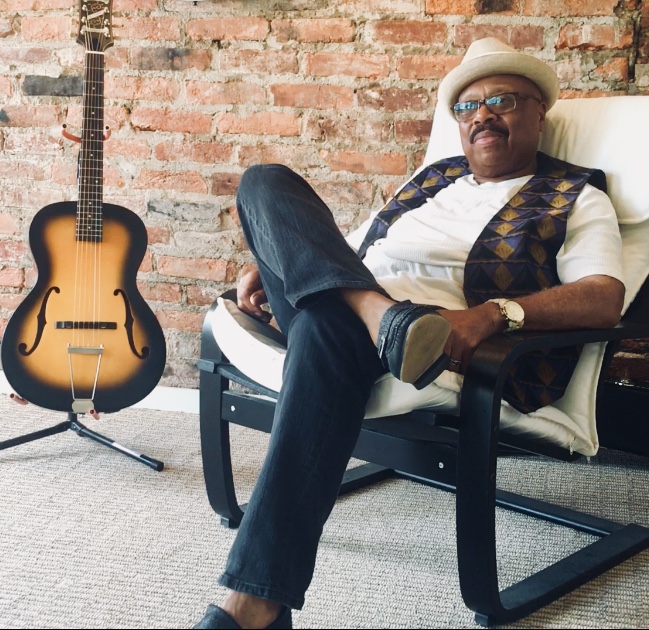
MANUEL “MANNY” / “THE DEACON” KELLOUGH – a native of Los Angeles, California, is a master drummer and a member of DC Legendary Musicians, Inc. With roots in the Gospel music of LA’s Baptist Church community and branches in just about every other musical genre, Kellough is the recipient of four gold records for work with Billy Preston, a gold album for work with Larry Graham and Graham Central Station, two Grammy Awards for work with Billy Preston, and a Grammy nomination for work with Larry Graham. An alumnus of the University of Southern California, he recently celebrated 56 years as a professional musician. From his first professional public performance outside the church at the age of 13 through his current gig running the Jazz Department for Royal Caribbean Cruise Lines, he has traveled the world, and he says he is still watching, listening, and learning. During his May 2, 2017 interview for the Washington DC Jazz Oral History Project, Manny discussed his family, his career, and an important lesson that he learned from Ray Charles.

“I started playing drums at the tender age of eight years old at the Pleasant Hill Baptist Church in Los Angeles, California . . . It’s funny, because I did not even know that I could play drums. It was just something that I knew I wanted to do. I used to sit and watch Deacon Avery play. I never will forget, I would watch him play every Sunday. I would say, ‘Deacon Avery, I want to play the drums! Can I play the drums?’”

“I guess he got tired of me asking him. One Sunday he told me, ‘Come on up here young fella and play.’ So, I sat down. From watching him every Sunday, I just started doing what he was doing . . . Just watching . . . and to this very day, I watch.”

“That was the norm (having the drums in church). It wasn’t a full drum set. It was the bass drum and the snare drum. That’s all it was. There were no cymbals. It was just being able to sit down and play that beat (demonstrating with hands and feet). That beat would work forever–on any song!”

“Growing up, I listened to a lot of different drummers. In high school, I was listening to drummers like Cozy Cole, Ed Thigpen, Max Roach, Buddy Rich, Art Blakey, and my mentor to this very day is Harold Jones. He’s Tony Bennett’s drummer. I started listening to Harold Jones back in my high school days, when he was with Count Basie.”

“ . . . Vocalists love the way I play, because I am not in their way. I love for them to have the freedom to do whatever they want . . . My style of playing is, ‘Less is always more.’ Play, but not play. Never be in the way . . .I don’t have to have a solo every time. Me, personally, I don’t even like solos . . . I love being an accompanist. I love to swing. Brush work, swinging, things like that . . .”

“I don’t need to be the one out front. Ray Charles told me that one year. I played with Ray Charles when I was like 17 years old. Scared to death. We had a little high school band called Rhythm Rebellion that Ray Charles used to manage. He took us out on the road for exposure. He took us under his wing. I will never forget we were in Cherry Hill, New Jersey–at the Latin Casino, and Ray’s Drummer got sick on a Friday night. So, who else was there to jump right in the pit at the last minute? Manny!

So, here I am scared to death. You’d sit right behind him. You’d sit right in Ray’s ear all the time. You [couldn’t] play too loud, and you [couldn’t] be overpowering. So, I’m sitting there playing. I’m getting excited, a little cocky drummer, 17! I had my cymbals nine feet in the air . . . Then I would jump up and hit the cymbals . . . BAM! So, he turned around and said, ‘Uh, wait a minute, baby, this is not your show. One day, your name will be on the marquee, and it will be your show, but, until then, darling, wait your turn.’ . . .That allowed me to grow up, as a drummer . . . from being a boy to being a man.

Interview Date: May 2, 2017

All Interviews Conducted, Recorded, and Reviewed by

Dr. Regennia N. Williams

Life Member, Oral History Association

Founder and Director, The RASHAD Center, Inc.

For more information, please visit: https://rashadcenter.wordpress.com/.

*Photograph (Still from Oral History Video, Shot at Gibson Guitar, Inc.) Courtesy of Dr. Regennia N. Williams

Drummer Manny Kellough All Stars


#WashingtonDCJazz

#DCLegendaryMusicians

#OralHistoryRocks
 

Posted in Uncategorized | Tagged , , , , , , , , , , , | Leave a comment

Washington DC Jazz Oral History Project, Chapter 18

“I try to do a little bit of everything to bring as many people into my music as I can.” –Mark G. Meadows


Mark G. Meadows

MARK G. MEADOWS – a DC-born, classically-trained pianist, keyboardist, and composer– moved to Dallas at the age of five, and lived a bi-regional life (in Texas and DC), due to his family’s ties to both areas. After graduating from high school, he enrolled in the Peabody Conservatory’s Jazz Studies Department, and the rest, as they say, is music history! In his May 2017 interview for the Washington DC Jazz Oral History Project, Meadows, who had just returned from travels and performances in Africa, discussed his efforts to create music that he described as “genre-less.”


“I am influenced by many genres. My dad used to always play Stevie Wonder, Earth, Wind, and Fire; Ahmad Jamal, and Miles Davis. We were also a big Gospel family. We went to church every Sunday. Although I did not play my entire life in the church, I was around the music, and I heard it.”

“I went to St. Luke United Methodist Church in Dallas, Texas, which is where an amazing keyboardist named Bobby Sparks was the organ player. Bobby Sparks tours with the best, the greatest. Just hearing that music every single Sunday had a huge influence on my writing. Although I did study jazz and classical music, I think there is no way to hear my original music without hearing Gospel, R&B, Pop, and all these different influences that I was fortunate enough to have been around.”

“It’s not my doing. It is just whoever you believe in who put me in the world surrounded by all the people that have been giving me new music—and beating me over the head with hearing these recordings. It has definitely come out in my compositions and the way I play. . .”

“I hope that my music is a music that speaks to all different generations, and can touch everybody in a certain way: the people that like Straight-Ahead, the people that like Contemporary, the people that like R&B, Neo-Soul, Cool Jazz. I try to develop a sound that is almost genre-less, which, in many ways, isn’t the smart move, because, you want to have a sound so people can say, “Ooh, that’s this, and that’s what I like . . .”

“Part of who I am as an artist is someone who tries to really connect to people, and not always put a label on things. Just accept it, and let it be. That is what I aspire to and try to bring forth with my music . . .”

“So, I don’t really have a specific sound. I love Straight-Ahead, and you will hear that in my music. I love R&B, I love Gospel, I love Contemporary. I try to do a little bit of everything to bring as many people into my music as I can.”


Interview Date: May 3, 2017

All Interviews Conducted, Recorded, and Reviewed by

Dr. Regennia N. Williams

Life Member, Oral History Association

Founder and Director, The RASHAD Center, Inc.

For more information, please visit: https://rashadcenter.wordpress.com/.


*Photograph (Still from Oral History Video, Shot at Gibson Guitar, Inc.) Courtesy of Dr. Regennia N. Williams


https://markgmeadows.com/


Mark Meadows, “Somethin’ Good”


#WashingtonDCJazz

#DCLegendaryMusicians

#OralHistoryRocks


Posted in Uncategorized | Tagged , , , , , , , , , , | Leave a comment

Washington DC Jazz Oral History Project, Chapter 17


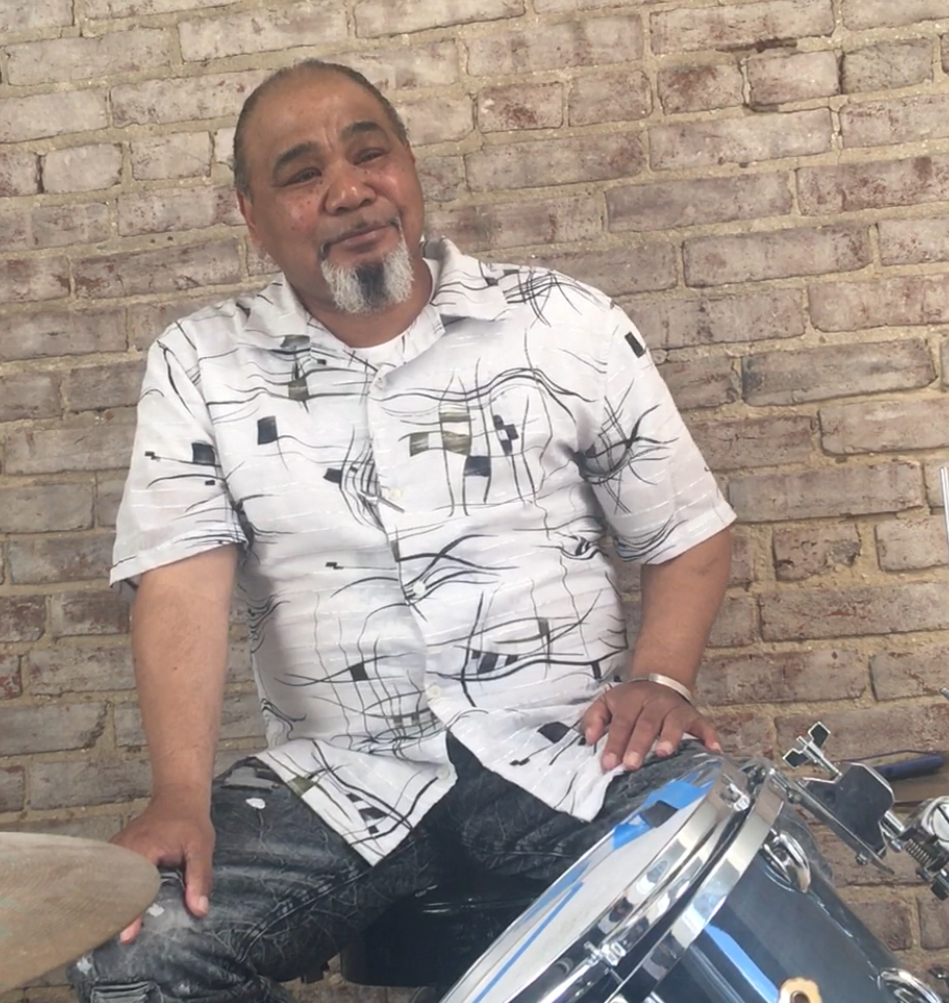
“I am a drummer, and I love my music. I have been doing this since I was eight, and I will be 61. That’s a long time playing drums. I love doing what I do.” – Donald “Big Foot” Edwards

Donald Edwards

DONALD EDWARDS, a native of Japan, started playing drums when he was an eight-year-old student at Holy Comforter School in Washington, DC, and he was working as a paid professional by the time he was a teen. During his May 3, 2017 interview for the Washington DC Jazz Oral History Project, he discussed, among other things, his love for music, the “drill sergeant” father who was his first teacher, and his “‘A Train’ Wow” moment.

“My name is Don Edwards. I am not with a band, but I do a lot of freelance work around DC. At Takoma Station [Tavern], I do jazz on Tuesdays. Other than that, I am a drummer, and I love my music. I have been doing this since I was eight, and I will be 61. That’s a long time playing drums. I love doing what I do. I love to see people dancing, having a good time . . .”

“My dad, Harry Edwards [was my main influence]. I was in Catholic School at the time. I was young, I was eight. I came home, went down to the basement, and, low and behold, I saw a drum kit. I smiled, and I was so happy I jumped on it, played some James Brown . . . That’s basically my influence.”

“It was a real drum kit, full size, five pieces. . . I went there and I played those things link crazy. I used to have people — Between the houses near where we lived, there would be like 50 people looking in my basement window, and I’m playing. My mother goes, “Donald, why do you have so many people out there?” I would say, “Ma, they are listening to me play drums!” I used to have packs of people out there, front yard, and the side of the house . . . Just listening, listening to me play.”

“My father just thought it was something that I would want to do and like to do, perhaps . . .That was his initiative, because I would beat on the table, when I was young, with spoons and forks. . . So that is where it came from.”

“I was born in Japan. I was like five or six when I came to the United States. I remember coming on a boat to New York. Dad was in the military. He wasn’t with us.   Myself, my mom and three sisters were on the boat . . .”

“Dad played violin, mom played piano, my oldest sister played piano, and I play drums. My twin doesn’t play anything, and my baby sister played piano.”

“We [dad and I] would sit down in the basement. The equipment was down there, his record player, and he would put a record on. let’s say Duke Ellington.   Let’s say “A Train.” He would say, “What’s the tempo?” I would say, “4/4.” “Right!” He would say, “Who is playing piano?” I would say, “Duke Ellington.” And he would say, “Right.” He would just be drilling me, and he would ask, “What’s the name of the song?” I would say, “A Train.”

“. . . He would drill me like a drill sergeant. He was in the army, so that’s why he did that. Other than that, he also played violin. I will never forget a buddy of mine. . . I was playing drums in the basement, and my father was coming down the steps with this violin, (pretends to play), and I would switch it up and start playing jazz. I recorded it, but I don’t have the recording any more . . . I will never forget that moment, when he was coming down in the basement with his violin, and I WAS playing drums. It was nice. It was phenomenal. He passed eight years ago, and during the time of the funeral, they played “A Train.” I said, “Wow!” Everybody started crying. I started crying. Yeah!”


Don on Drums, All That Jazz Band, 2018

“Take the A Train,” VFW Lanham

https://youtu.be/iE34dZRJeaw


Takoma Station Tavern

http://www.takomastation.com/


A History of Holy Comforter-Saint Cyprian Parish

http://hcsc.catholicws.com/wp-content/uploads/2012/12/HCSC-History-1.pdf


Interview Date: May 3, 2017

All Interviews Conducted, Recorded, and Reviewed by

Dr. Regennia N. Williams

Life Member, Oral History Association

Founder and Director, The RASHAD Center, Inc.

For more information, please visit: https://rashadcenter.wordpress.com/.

*Photograph (Still from Oral History Video, Shot at Gibson Guitar, Inc.) Courtesy of Dr. Regennia N. Williams

#WashingtonDCJazz

#DCLegendaryMusicians

#OralHistoryRocks
Posted in Uncategorized | Tagged , , , , , , , , | Leave a comment

Washington DC Jazz Oral History Project, Chapter 16

“We are very familiar with the landscape, the land, and the people. We have a rich history in that part of Texas.”—Aaron Myers

Aaron Myers


AARON MYERS—a Texas native, has worked as a professional jazz vocalist for 14 years. He also has more than 20 years’ experience in music ministry, and he plays piano, keyboards, and the Hammond B-3 organ. Myers is Board Chairman for the Capitol Hill Jazz Foundation. During his interview for the Washington DC Jazz Oral History Project, he discussed, among other things, his childhood in rural Goodlow, Texas, a Black town, and the influence of his extended family.

“I attended Kerens ISD (Independent School District). Kerens is unique. It was a cotton capital, I guess you could say. I was raised in a sharecropping community, a primarily Black sharecropping community called Goodlow, Texas. At the time the population was like 312.”

“Kerens was the center little town of about 1,700 people, but all of the little rural areas around there sent their children to school in Kerens. So, you had K-12 on one campus, and many of the teachers who taught there had been teaching for 20, 30, 40 years. Me and my mom had many of the same teachers. My family has been in that area since about 1860, 1870.”

“We are very familiar with the landscape, the land, and the people. We have a rich history in that part of Texas. My grandfather was a farmer, a sharecropper, and my mother. They picked cotton up until the 1970s; well, late 60s, early 70s.”

“Now, Kerens integrated in 1966. The county seat–which is Navarro County, Corsicana–they integrated, I believe, in 1970. So, there was really no Civil Rights Movement where I’m from. There was a rich history of the Black school, the segregation at the time. When you hear the older people talk about it, they talk about it a little more, sometimes, pleasingly, because they had their own stores, their own doctors.  They had their own funeral homes, their own whatever they needed there in the community.”

“The community seemed nicer, it was kept nicer, and then integration happened, and everybody went up to the White stores and abandoned the Black stores. Of course, the White people never came down there. That area was full of farmers and laborers. My grandmother was not only a farmer’s wife who picked cotton, she was also a maid. She kept the house, usually, of the people whose property they were sharecropping on.”

“Then they got out of that, and gramps went to work in the lumberyard. I think it was the late 60s, ‘68, ‘69. He went to work in the lumberyard, and then they went on from there. But, you know, when you sharecrop for so long, you don’t get certain benefits, as you would get as you retire, so my grandfather worked until he was 88. He worked still in a laborer’s type of position. He cleaned a washeteria every night. He opened, closed it, and cleaned it. He also would open and clean filling stations—gas stations that were around the area.”

“He also picked up cans. We would pick up cans, crush them, and take them to the weight place . . . We would sometimes go down to the creek; sometimes people would throw stuff out, and we would get stuff out and take it to the place where we could weigh it, for metal, at least. He did that until he was about 88 or 89. He died at 99, so he only enjoyed about 10 years of retirement, per say; the last two years in ill health, but still mobile.”

“As a young person, my grandparents were usually the age of everyone else’s great grandparents.”


Interview Date: May 3, 2017

All Interviews Conducted, Recorded, and Reviewed by

Dr. Regennia N. Williams

Life Member, Oral History Association

Founder and Director, The RASHAD Center, Inc.

For more information, please visit: https://rashadcenter.wordpress.com/.


*Photograph (Still from Oral History Video, Recorded at Gibson Guitar, Inc.) Courtesy of Dr. Regennia N. Williams


Aaron Myers, Excerpt from Oral History Interview


Aaron Myers, Kennedy Center, Millennium Stage


#WashingtonDCJazz

#DCLegendaryMusicians

#OralHistoryRock


Posted in Uncategorized | Tagged , , , , , , , | Leave a comment

Washington DC Jazz Oral History Project, Chapter 15

“There is always lots of room for education, pr, and talking about the Howard Theatre and its importance, because it is the oldest major theatre for African American entertainment in the country, older than the Apollo by 25 years.” -–Roy “Chip” Ellis

Roy "Chip" Ellis

ROY “CHIP” ELLIS — of the Ellis Development Group and the Howard Theatre Development Group– discussed family ties and business ties to Washington DC’s historic Shaw-Howard Community.

“We came upon the Howard Theatre back in 2005. I was developing the property next door, the Progression Place project, that currently houses the United Negro College Fund. In the same square block sat the Howard Theatre. I really felt as if it was important that the Howard be brought back. If we were going to do this large, mixed-use development next door, we needed to have something that would attract people back to this very historic square block called Seventh and T. ”

“Seventh and T is, for Washingtonians, a very famous place. Not only was it a great meeting place in the area, but it was also where the Howard Theatre sat since 1910. So, I knew it was very important. People had tried many, many times to restore the Howard Theatre, but it lay dormant for almost 35 years, until myself and my partner, Malik Ellis, came and decided that we wanted to restore the Historic Howard Theatre . . .”

“I am a fourth generation Washingtonian. My father grew up in this neighborhood. He actually grew up at 9th and P, between 9th and 10th, actually, on P Street. My great grandfather came here with an opportunity to run his brother’s or his cousin’s restaurant that was here on 9th Street back, probably, in the early 1920s. So, my great grandfather and great grandmother came here and lived on 9th Street, and they had a place called the Eureka Café Below. So, they lived above and had a café below.”

“My great grandfather went to Armstrong High School. My father went to Cleveland Elementary, and then he went on to Dunbar High School. He would tell me stories about coming to see acts at the Howard Theatre when he was a young guy.”

“He would always tell me about how he would see Lionel Hampton here, and how many of the people that came to see Lionel, once he started playing the song ‘Flying Home,’ people would, literally, jump out of the balcony area, these balcony areas that you see here [pointing to the seating areas just above the stage], would literally jump off and on to the stage. I always wondered, “How in the world did they do that?” But, he said they would, literally, jump from the balcony to the stage and just start dancing when he would play ‘Flying Home.'”

“[My father lived] very close to Shiloh [Baptist Church], just, probably, four blocks from here. Like I said, my father went to Cleveland Elementary. My great grandparents had the Eureka Café on 9th. He would go there, get his Coca Cola, and then would come over here—potentially, to the Dunbar Theatre, and see what he used to call a “shoot ‘em up.” I guess they had cowboy and Indian movies at the Dunbar. I guess, when he got a little older he attended the Howard Theatre . . .”

*ON GENTRIFICATION AND PRESERVING THE OLD WHILE WELCOMING THE NEW

“I think it’s working. It was very critical for Malik and I, when we decided to take on the Howard Theatre, to have a nonprofit that would be around the Howard Theatre and would ensure that the music was always preserved, the history was preserved, the building’s exterior was preserved, and so that it could also educate the younger generations– and the older generations that may not be from here, about the importance of the Howard Theatre. . .”

Interview Date: May 9, 2017

All Interviews Conducted, Recorded, and Reviewed by

Dr. Regennia N. Williams

Life Member, Oral History Association

Founder and Director, The RASHAD Center, Inc.

For more information, please visit: https://rashadcenter.wordpress.com/.

*Photograph (Still from Oral History Video) Courtesy of Dr. Regennia N. Williams

Lionel Hampton’s “Flying Home”

#WashingtonDCJazz

#DCLegendaryMusicians

#OralHistoryRock


Posted in Uncategorized | Tagged , , , , , , , , , | Leave a comment

Washington DC Jazz Oral History Project, Chapter 14

“I was blessed and fortunate to tap into that wonderful artistry of jazz and those icons and other people who continue to keep it alive here in the DMV.” — Janine Gilbert-Carter

Janine Gilbert-Carter


JANINE GILBERT-CARTER – a Pennsylvania native who migrated to the Washington DC Metropolitan Area in 1988, got an early start singing at the St. John Baptist Church in Aliquippa. During her April 2017 interview for the Washington DC Jazz Oral History Project, she confessed that she is now at home performing jazz, gospel, blues, and other styles. She also shared her priceless stories about her live performances and studio work involving other Mid-Atlantic artists, including Ronnie Wells-Elliston, Ron Elliston, Paul Carr, Keter Betts, and James “Tex” King.

“My very first professional jazz performance was orchestrated by Ronnie Wells-Elliston, and it was at Vincino’s [Ristorante Italiano] in Silver Spring, Maryland, when they first opened—[with a jazz performance series run] by Chad Carter and Ted Carter.  Chad Carter is a local jazz musician himself. I remember playing there with Vince Smith on piano and Wes Biles on bass . . .”

“I actually did two recording at once, at two different studios! I recorded a gospel CD and a jazz CD that came out at the same time. For the jazz CD, I talked with Ronnie Wells-Elliston and asked, “Do you think I’m ready to do this?” She said, “Absolutely!” So, I worked with her and John Miller, who had a studio out in Olney, Maryland.”

“On that first jazz CD [“In the Moment”], I was blessed, once again, to have saxophonist Paul Carr, drummer Mike Smith, Aaron Graves on piano, and James “Tex” King on bass. So, I was able to do my very first jazz recording with the top-notch jazz musicians in the DMV . . .”

“ . . . I think Washington, DC is becoming that hub where musicians want to come and share their gifts of artistry, just like in New York. I am thankful that I was introduced to those in jazz—like Ronnie Wells and Ron Elliston, Paul Carr—and that I was able to meet Keter Betts and play with Keter Betts. He is a legend here in Washington DC.”

“I was blessed and fortunate to tap into that wonderful artistry of jazz and those icons and other people who continue to keep it alive here in the DMV.”

Interview Date: April 22, 2017

All Interviews Conducted, Recorded, and Reviewed by

Dr. Regennia N. Williams

Life Member, Oral History Association

Founder and Director, The RASHAD Center, Inc.


*Photograph Courtesy of Janine Gilbert-Carter


Janine Gilbert-Carter Live at the 15th annual FMJS East Coast Jazz Festival


#WashingtonDCJazz

#DCLegendaryMusicians

#OralHistoryRocks
 

Posted in Uncategorized | Leave a comment