Washington DC Jazz Oral History Project, Chapter 13

“He told me, ‘Listen, I know you’ve been to school. Forget all your rules that you learned in school. The only rules you will have to know in my band are the laws of nature. That is all . . .”   — Brother Ah on the Influence of Sun Ra

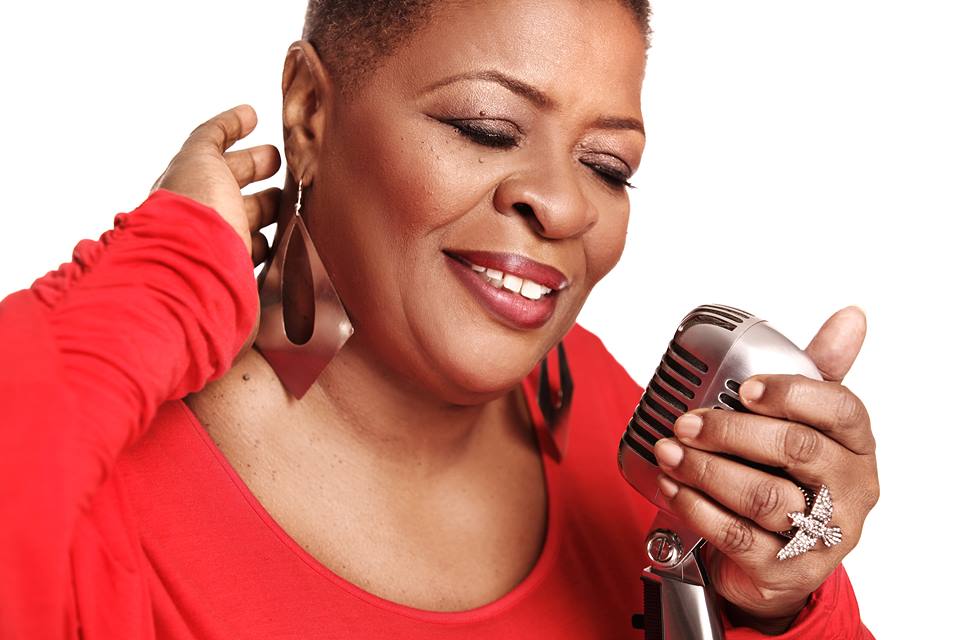
BROTHER AH (Robert Northern, III) – a North Carolina native, is a composer, a multi-instrumentalist whose primary instrument is the French horn, a recording artist, a radio programmer, a former student and colleague of Gunther Schuller, an Air Force veteran, and a bandleader who also performed with Miles Davis, Sun Ra, the Metropolitan Opera, the Vienna State Opera, and other groups all over the world. During his 2017 interview for the Washington DC Jazz Oral History Project, he stated that Sun Ra influenced his views on composing and performing more than anyone else.

“When you joined Sun Ra’s band, you had to sit right next to him. At my first performance with him at a place called Slugs’ [Saloon in New York City], he cut the whole band off and told me, ‘Stand up and take a solo.’ So I played, and I couldn’t keep the mouthpiece on my lip. It kept sliding, and I thought, ‘My goodness, I must be perspiring so much.’ I looked down and I was full of blood. I played so long and so hard that I cut my lip, and he [Sun Ra] only brought the band in when he realized that I realized I was bleeding.”

“So, the next time at rehearsal, I asked him, ‘Sun Ra, I don’t really know all the chord changes and all the other things.’ He told me, ‘Listen, I know you’ve been to school. Forget all your rules that you learned in school. The only rules you will have to know in my band are the laws of nature. That is all. . .”’

“. . . He didn’t have any chord changes, no harmonic structure. He freed me up. He was the one who said you can listen to nature and get the laws of nature, harmonically, rhythmically, all the different ways. He also considered the sound of the wind, and told me to listen to the wind, listen to the rain.”

“. . .When I rode the bus, I would listen to the windshield washers on the bus, the wheels on the subway train . . . Rhythm. He opened up my whole mind to rhythms, melodies, and harmonies that are all around us.”

“He had the greatest influence on me in terms of composing music . . . I became more of a freed-up soloist. I wasn’t so concerned about chord changes, because I wanted to play free.”

Interview Date: May 16, 2017

All Interviews Conducted, Recorded, and Reviewed by

Dr. Regennia N. Williams

Life Member, Oral History Association

Founder and Director, The RASHAD Center, Inc.

*Photograph by Dr. Regennia N. Williams


#WashingtonDCJazz

#DCLegendaryMusicians

#OralHistoryRocks
PLEASE NOTE: Other journalists, radio programmers, and oral historians have also interviewed Brother Ah. For example, in addition to this project, readers can obtain more information on the life and work of Brother Ah in Rusty Hassan’s lengthy interview for the 2017 Washington D.C. Jazz Festival Oral History Archive. Both the audio interview and transcriptions by Willard Jenkins are available online at:

http://www.jazzhistorydatabase.com/archives/washington-dc-oral-history-project/index.php.


Posted in Uncategorized | Tagged , , , , , , , , | Leave a comment

Washington DC Jazz Oral History Project, Chapter 12

“You’ve just got to listen to it. Listen to the music. You have to constantly listen to the music.” –Jeffrey J. “Lefthand” Neal, Drummer

Jeff “Lefthand” Neal

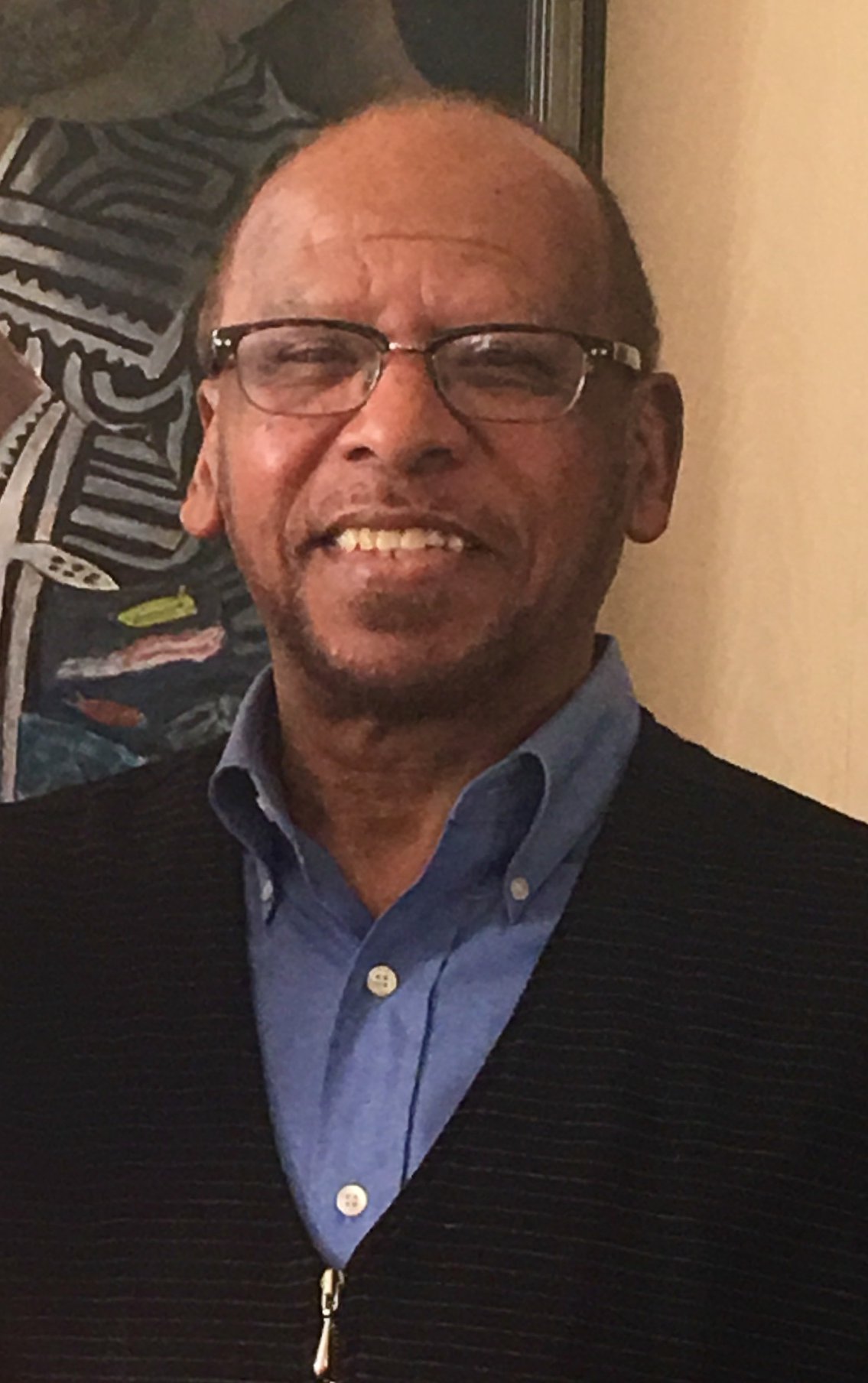
Jeffrey J. “Lefthand” Neal –a drummer, former architect, and current entrepreneur—has worked as a full-time musician for over 16 years. A native Washingtonian, he is a product of the District’s public schools. During his interview for the Washington DC Jazz Oral History Project, he described his indirect educational route to a professional career in music.

“None of my schools had any strong visual [arts] or instrumental music programs . . . I started with the DC Youth Orchestra Program, which was a free program. It had disbanded, and it is back now. . . They did it at [Calvin] Coolidge [Senior High], so we had to go to Coolidge to take the lessons . . .”

“I didn’t get into jazz until I was 40 years old, and I remember that I happened to do a play with Davey Yarborough in 1991. That’s when I met him. Davey Yarborough is the head of the Jazz Studies Program at the Duke Ellington School. I remember asking him the question, “Which jazz album should I buy?” So, I wasn’t even listening to jazz early on, I was listening to Rock . . .”

“I got to take master classes from some of the best in the business: Ed Thigpen, [Leon] Ndugu Chancler, Keith Smith, just a lot of great drummers, just listening and experiencing their master classes. Their main thing was, “You’ve just got to listen to it. Listen to the music. You have to constantly listen to the music.”

Interviewed on April 4, 2017

By Dr. Regennia N. Williams

Life Member, Oral History Association

Founder and Director, The RASHAD Center, Inc.

Photograph Courtesy of Jeffrey J. “Lefthand” Neal


Jeffrey J. “Lefthand” Neal Solos on “One Note Samba”


#WashingtonDCJazz

#DCLegendaryMusicians

#OralHistoryRocks


Posted in Uncategorized | Tagged , , , , , , , | Leave a comment

Washington DC Jazz Oral History Project Chapter 11

“[I]t was on our people’s backs that the area was built and built up.” –The Rev. Dr. Ginger Cornwell

Rev. Dr. Ginger Cornwell

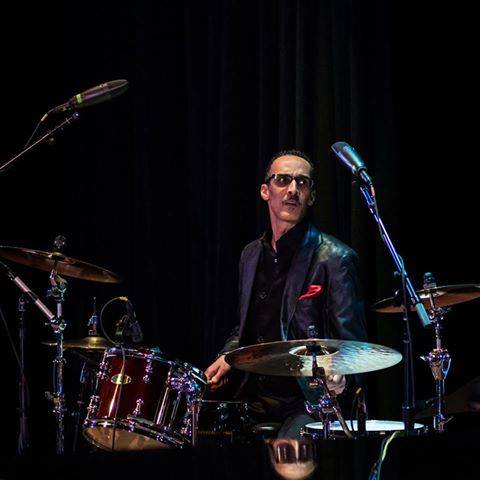
The Rev. Dr. Ginger Cornwell –saxophonist, vocalist, Howard University alumna, and founder of Reaching for the World Ministries–describes her early life in Maryland, part of the “Tobacco Coast.”

“I actually grew up on the outskirts of DC, but practically everything we did was in the city, because we had to come out of there to do it . . . My doctors’ offices, my shopping, my schooling, all of it was here in the heart of the city. Now, a lot of my ministry and most of my playing is in the city.”

“. . . I think back, and I drive to La Plata and Pomonkey [Maryland], and those places now, and it looks nothing at all [like it used to]– I’m not talking about buildings, but every field was tobacco. Just field after field after field of tobacco. Now, people have to go outside and smoke, or they can’t smoke on campuses. But, when it was time to farm the tobacco, we were farming it. We can’t lose sight of all of that.”

“I think that is one of the things that we don’t pass on to our children, not from the perspective of trying to force them to be prejudiced, but so that they understand our history, and they understand that it was on our people’s backs that the area was built and built up.”


Interviewed on April 11, 2017
By Dr. Regennia N. Williams
Life Member, Oral History Association
Founder and Director, The RASHAD Center, Inc.
Photograph Courtesy of the Rev. Dr. Ginger Cornwell
Reaching for the World Ministries
#WashingtonDCJazz
#DCLegendaryMusicians
#OralHistoryRocks
Posted in Uncategorized | Tagged , , , , , , , , | Leave a comment

Washington DC Jazz Oral History Project Chapter 10

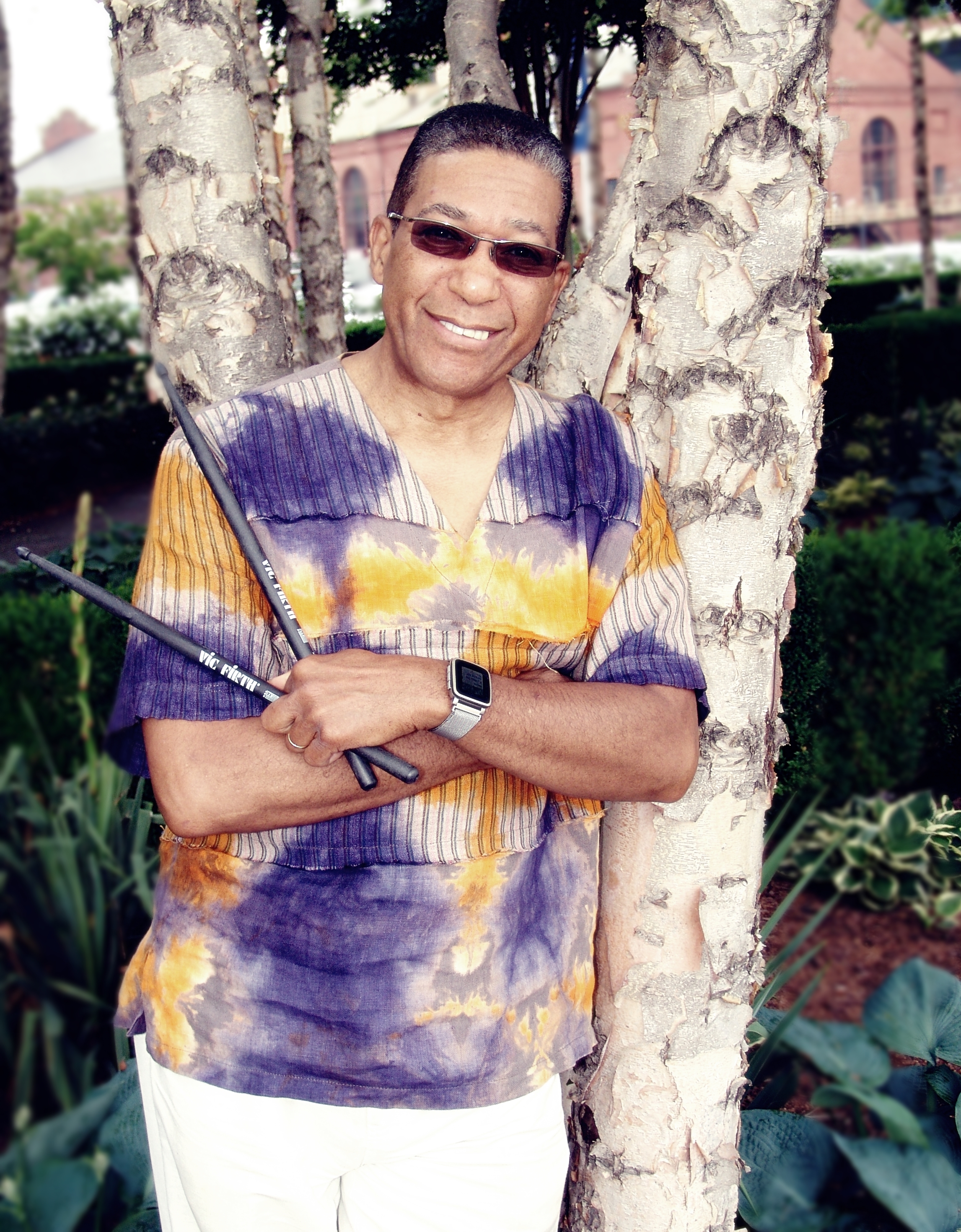
Jazz is music that developed in America, but its foundations are rooted in Africa.” —Nasar Abadey

Prof. Nasar Abadey

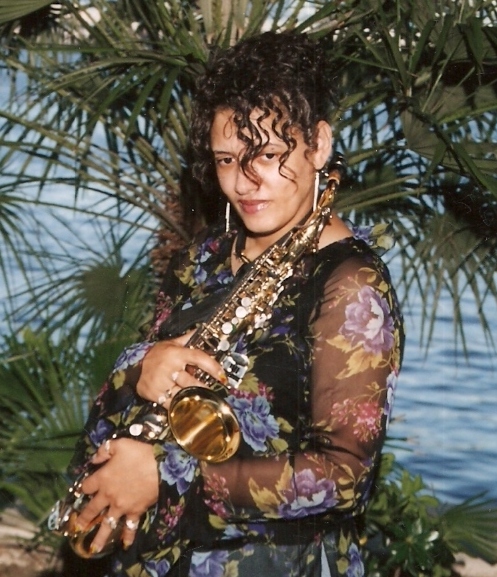
Prof. Nasar Abadey — Pennsylvania native and award-winning master drummer, educator, and bandleader for SUPERNOVA®–discusses some of the people and places that shaped his artistic vision.

“When I was living in Buffalo, there was an area of town on the east side that had the same kind of commercial zone for jazz as exists now in Washington DC, that exists in Pittsburgh, that exists in New York. All these cities . . Because, at that time, we were segregated, we spent our money in our communities 10, 15 times before it went outside of our communities. So, to hear this music, you could just leave out of your house, walk a few blocks, and you could hear live jazz. That doesn’t exist anymore, not in the African American community.”

“When I first landed in DC, I started working with . . . there were two, the first was Yaya, who plays tenor saxophone, and a musician that I met playing in his band by the name of Brother Ah.”

“When I met Brother Ah, he called me to join his band, and I was looking forward to joining his band, or a band like his, because I was interested in really studying African music, African culture, and the African frame of mind, so to speak, so that I could frame it within my own music, so that I could discover some of myself, some of that culture in the music. So, I worked with him, maybe, five years straight.”

I started to learn that our music is a music of environment. Our music is brought from the environment to any other environment, and it is like a snowball. You can keep rolling the snowball, and it gains more snow, and it gets bigger, and bigger, and bigger. Before you know it, someone walks up on a snowball and says, “Wow, that’s a great big snowball.” They don’t think about how it got that big, they don’t think about its travels and how it got there to be a great big snowball. They don’t realize that in its roll, as it is rolling on the ground, that it is picking up snow, and snow, until it gets bigger.”

“It’s the same thing with African music and the culture in which it is allowed to exist, or creative force. It starts to glue itself together or amalgamate, so that when it gets with other snowballs, they understand each other, and they start to put what they know together—like Bird and Diz did. Diz said, when he heard Bird, ‘Oh, now I know where I belong.’ He is thinking like me, and it’s the same thing with this music.”

We become aware of the fact that we play the music that we hear in our environment. And when we get together as musicians, we start comparing notes, and we start to see that this person over here starts to play something that they heard– dog sounds, or sounds of the crickets, or sounds of the birds, like Eric Dolphy played or practiced with birds, and that’s how he got such an amazing concept of playing on the flute.”

So, I like to think that when our music came to the city, it became the environment of the city, but we’ve got to remember that it came from the blues, and the blues came out of Africa.  Jazz is music that developed in America, but its foundations are rooted in Africa.”

Interviewed on April 9, 2017

By Dr. Regennia N. Williams

Life Member, Oral History Association

Founder and Director, The RASHAD Center, Inc.

Photograph by Nathaniel Rhodes


#WashingtonDCJazz

#DCLegendaryMusicians

#OralHistoryRocks


Posted in Uncategorized | Tagged , , , , , , , | Leave a comment

Washington DC Jazz Oral History Project, Chapter 9

Howard Chichester

Howard Chichester – a native Washingtonian and professional drummer –played with a number of groups over the years, and retired in 1979. He came out of retirement at the request of a trumpet player that he had recorded with in 1979, and he gave his last public performance in 2012. In his November 2017 interview for the Washington DC Jazz Oral History Project, Chichester discussed the joys of growing up with music, having his own group in the 1970s, and performing at the Top of the Foolery Club.

“I started [playing professionally] in 1960, and over the years I was always playing with other groups. I wasn’t the bandleader. I was always in the rhythm section playing drums, up until 1979. Then, for the first time in my career, I had my own group.”

“It was just a piano, bass, drums, and a vocalist, at a club called The Top of the Foolery on Pennsylvania Avenue. We stayed in there about a year or a year and a half, and it was really great. The music was good. In fact, I think I played better then than I had ever played,”

“I started playing drums when I was about five years old. Back in the 40s, my parents bought me one of those little toy sets that had cardboard drum heads, drumsticks about as long as a pencil, and a little tin pie-plate kind of cymbal. I used to stand up and put the radio on WOOK AM, and play along with the records that came on the radio. Then, when I was about 12, my aunt bought me a semi-professional set.”

“I was always a little guy, so with a drum seat, I would have been off the floor. My legs weren’t long enough to reach the bass drum pedal and the hi-hat, so I stood up until I was about twelve years old playing the drums.”

Interviewed on November 1, 2017
By Dr. Regennia N. Williams
Life Member, Oral History Association
Founder and Director, The RASHAD Center, Inc.
Photograph Courtesy of Dr. Regennia N. Williams
#WashingtonDCJazz
#DCLegendaryMusicians
#OralHistoryRocks
Posted in Uncategorized | Tagged , , , , , , , , , | Leave a comment

Washington DC Jazz Oral History Project, Chapter 7 — Herbert James Scott

“My story begins, as a musician, at the Music Center / Sitar Arts Center in Adams Morgan.”

Herbert James Scott

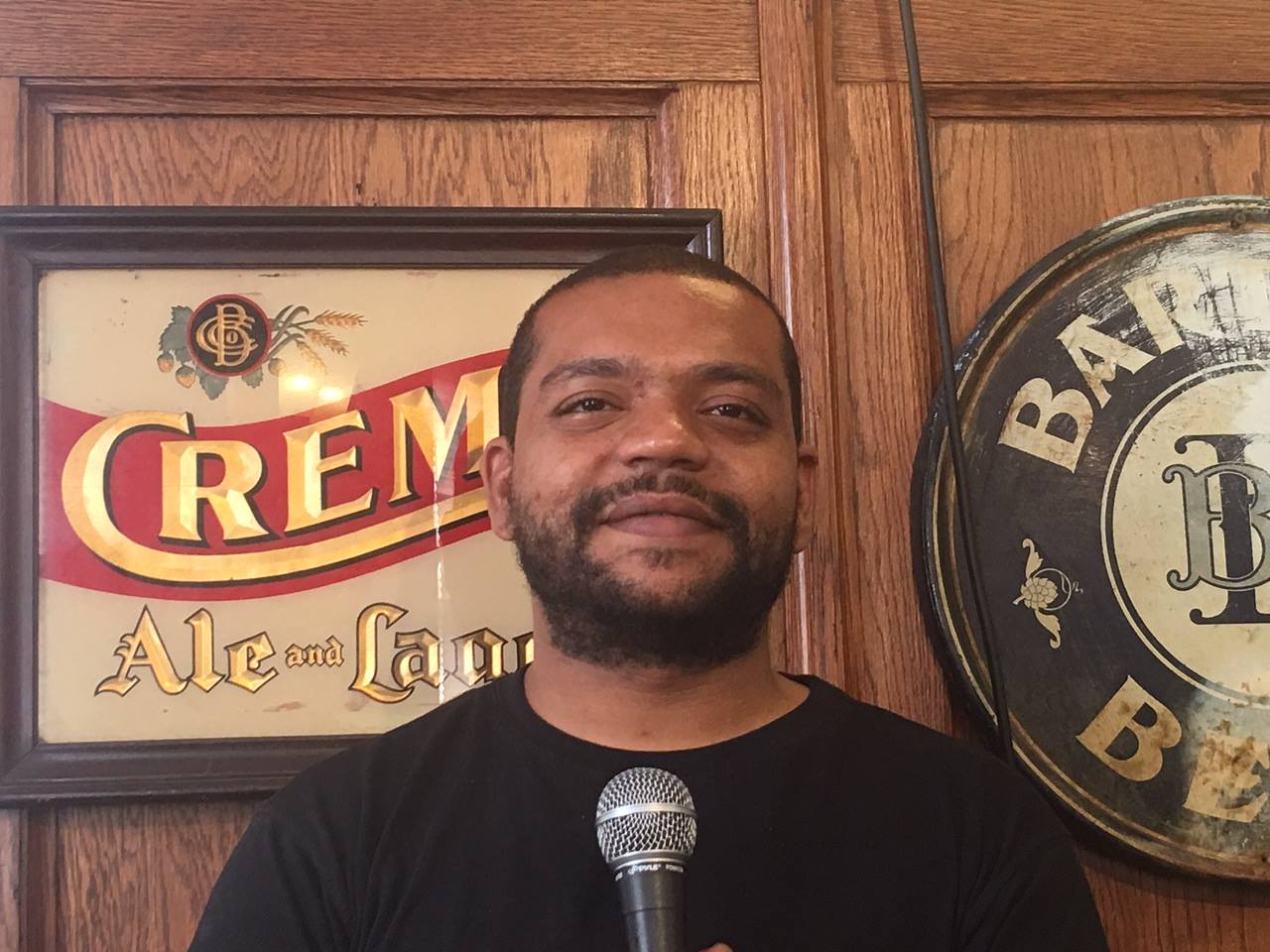
Herbert James Scott–saxophonist, leader of the Herb Scott Quartet, arts activist, and co-founder and Executive Director of the Capitol Hill Jazz Foundation—shared his oral history narrative with me at Mr. Henry’s Restaurant on Pennsylvania Avenue. For Scott, his late father Clayton Scott and teachers in the Metro DC Area and in Michigan were instrumental in shaping his vision as a performing artist.

“My dad was there to help me buy my first saxophone. He took me to my first live performance, where I saw the Smithsonian Jazz Masterworks Orchestra at the Lincoln Theatre . . .”

“My story begins, as a musician, at the Music Center / Sitar Arts Center in Adams Morgan. The founder is a woman named Rhonda Buckley, who is from Michigan. She taught in Michigan and ended up coming to DC. Rhonda Buckley, who was my original mentor—and still is today—was very influential in my beginning at the Sitar Center and at the Levine School of Music. She also urged me to go study at the Duke Ellington School of the Arts.”

“I had met Davey Yarborough at the Music Center just prior to enrolling at Ellington [where he taught]. Davey Yarborough was and is still very influential in my life as a saxophonist and a musician.”

“When I went to Michigan State University, there were two people: Rodney Whitaker, the great bassist and [Director of Jazz Studies], and Diego Rivera, a saxophonist who was my professor. I spent a lot of time with them, and they, too, have been very influential in my career.”

Interviewed on June 14, 2017
By Dr. Regennia N. Williams
Life Member
Oral History Association
Founder and Director
The RASHAD Center, Inc.
Photograph by Dr. Regennia N. Williams
For more information on the Capitol Hill Jazz Foundation, visit
#WashingtonDCJazz
#DCLegendaryMusicians
#OralHistoryRocks
Posted in Uncategorized | Tagged , , , , , , , , , | Leave a comment

Washington DC Jazz Oral History Project, Chapter 8 –Lavenia A. Nesmith

Lavenia A. Nesmith

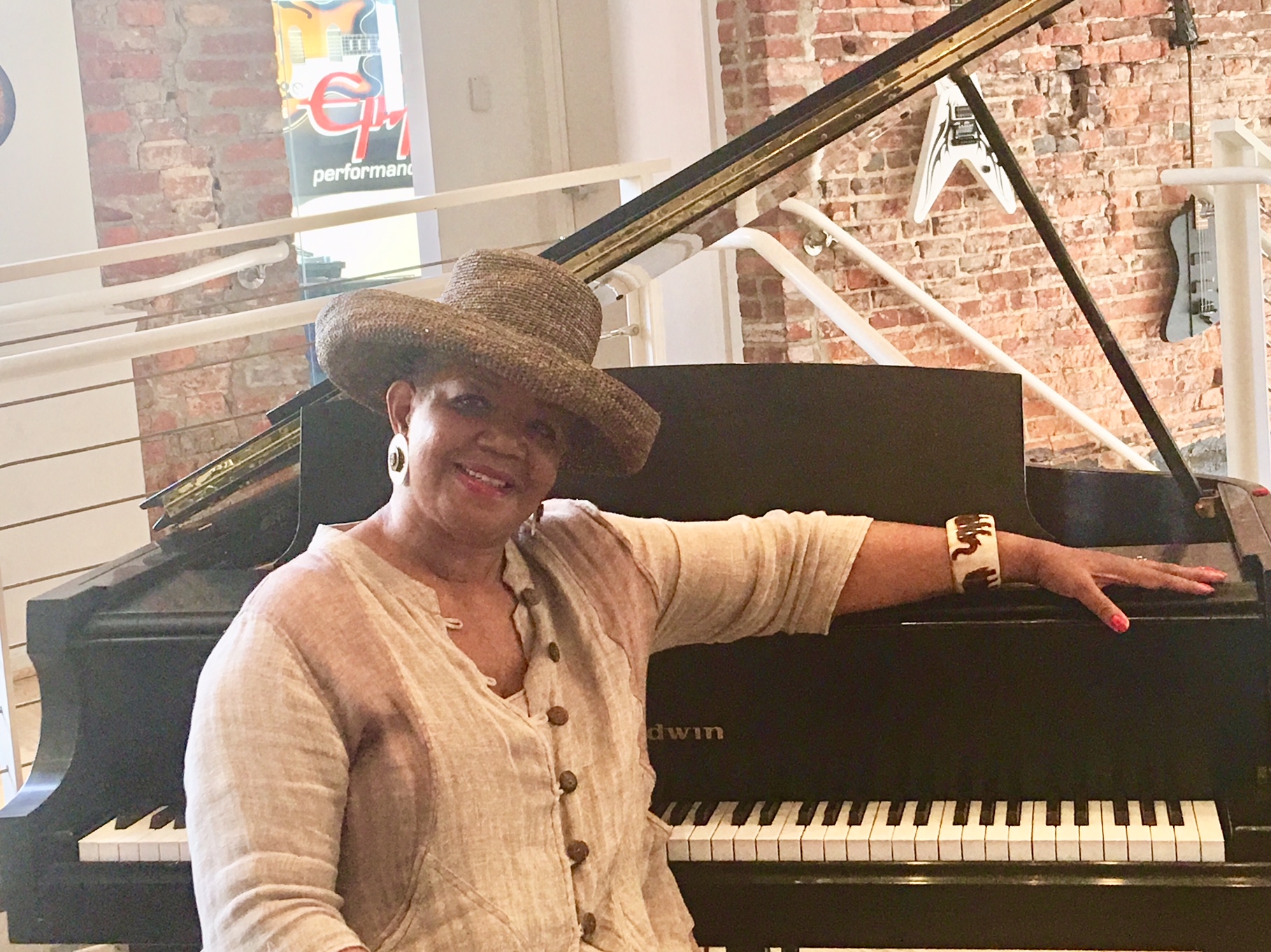
*LAVENIA A. NESMITH –a Freelance Jazz and Gospel Vocalist and Recording Artist—Says the Roots of Her Professional Career Can Be Traced to the Church and Her Performances As a Teen with the El Corols Band and Show

“I always knew as a small child—I think it [started when I] was around the age of eight or nine, but I always knew that I wanted to be a singer.”
“I started in church. Then, when I went to junior high school, I took band lessons. I took music lessons, played clarinet, and qualified for the marching band.”
“There was a group of neighborhood children, mainly boys, and they all played instruments . . . We decided that we wanted to form this Rock and Roll band called the El Corols Band and Show. Although we were teenagers, we were very fortunate to have as our manager a gentleman by the name of Captain Bill Rumsey.”
Interviewed on May 3, 2017
By Dr. Regennia N. Williams
Founder and Director, The RASHAD Center, Inc.
Photograph by Regennia N. Williams
Lavenia A. Nesmith Performs “Peel Me a Grape”
The El Corols Perform “Chick Chick”
#WashingtonDCJazz
#DCLegendaryMusicians
#OralHistoryRocks
Posted in Uncategorized | Tagged , , , , , , , | Leave a comment

Washington DC Jazz Oral History Project, Chapter 6

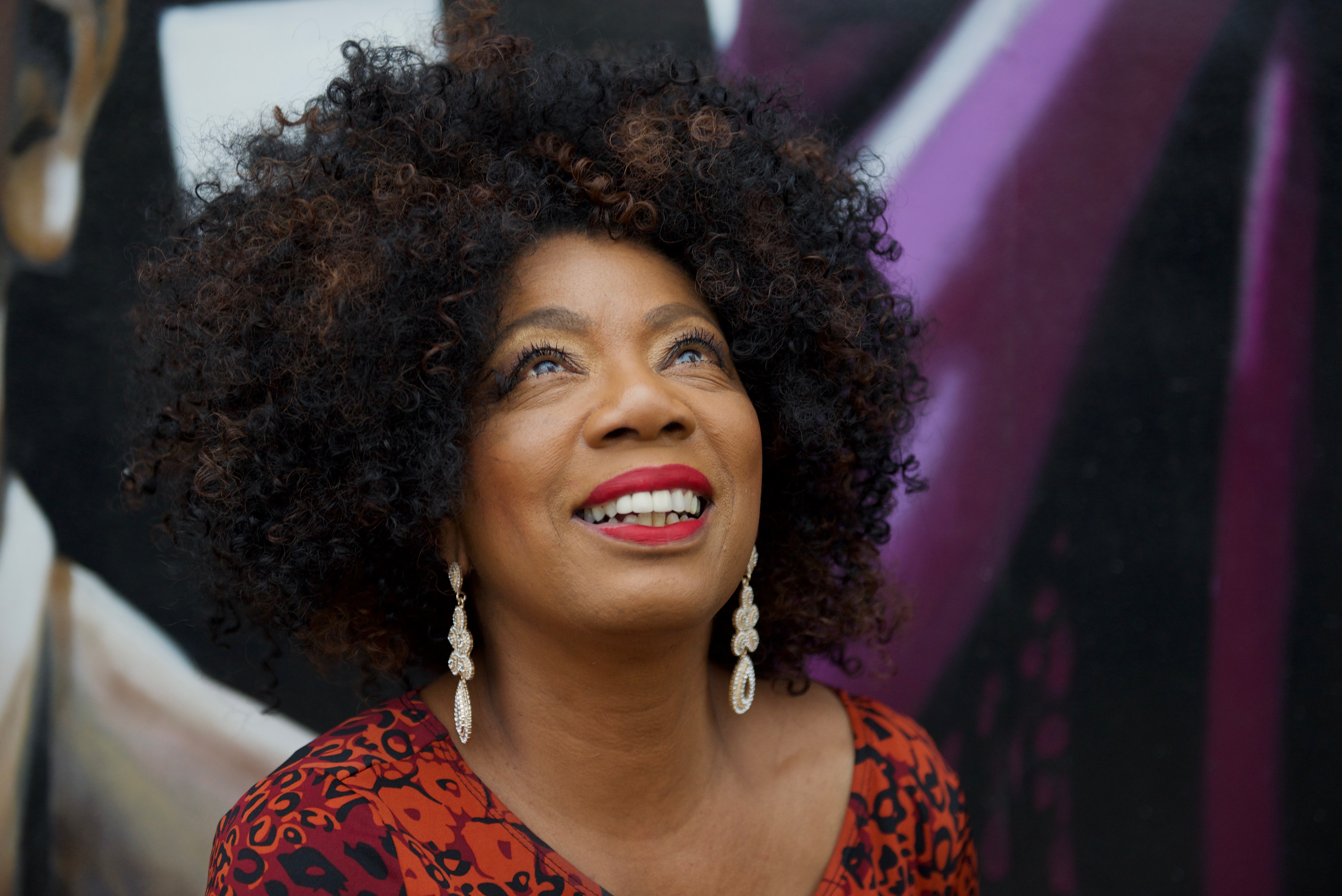
*CONIECE WASHINGTON – a native of Trenton, New Jersey with roots in the Holiness Church –is also a jazz vocalist and member of DC Legendary Musicians, Inc. In addition to acknowledging the receipt of some sage advice on vocal jazz performance from Dick Smith, Chris Grasso, and Vince Evans, she is also thankful for the opportunities that Washington DC’s churches have created for jazz artists.

Coniece Washington


“I have to work harder now, because several of the venues that were here for jazz have shut down. If it wasn’t for the churches . . . I mean, God has had grace and mercy on us, because a lot of the churches have jazz – jazz jams and jazz shows. So I would say there are more opportunities here than there are in Trenton, New Jersey. It could be better, but I am grateful that I am here.”
Interviewed on May 4, 2017
By Dr. Regennia N. Williams
Life Member, Oral History Association
Founder and Director, The RASHAD Center, Inc.
Photograph by Lawrence A. Randall
2015 Mid-Atlantic Jazz Festival Performance
#WashingtonDCJazz
#DCLegendaryMusicians
#OralHistoryRocks
Posted in Uncategorized | Tagged , , , , , , , , , , , , , , | Leave a comment

Washington DC Jazz Oral History Project, Chapter 5

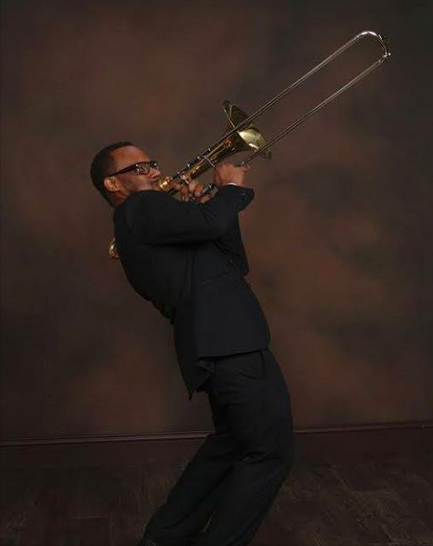
*Mosche Snowden — a Trombonist and South Carolina Native — Discusses His Musical Mentors

Mosche Snowden

“My father played, my brothers played, and my cousins played. Everyone around me that I was associated with played, so it was the thing to do . . . The trombone is a staple of the church that I was attending, so we had brass, trombone bands. I was kind of forced into the trombone [section]. I wanted to play sousaphone, but we had a sousaphone player, so I started playing trombone. . . I was born and raised in the United House of Prayer for all People . . . That was the biggest part of our service, playing in the trombone shout bands.”
Interviewed on May 3, 2017
By Dr. Regennia N. Williams
Life Member
Oral History Association
Photograph Courtesy of Mosche Snowden
2017 Kennedy Center Performance
#WashingtonDCJazz
#DCLegendaryMusicians
#OralHistoryRocks
Posted in Uncategorized | Tagged , , , , , , , , , , , | Leave a comment

Washington DC Jazz Oral History Project, Chapter 4

*LORI WILLIAMS — Native Washingtonian, vocalist, educator, recording artist, mother, and DC-based international performer — identified Dianne Reeves as her muse but also described individual faculty members and experiences at Virginia’s Hampton University as being some of her most important teachers.

Lori Williams

“I was in a vocal jazz group [at Hampton University]. I also worked for the college radio station, WHOV FM, as the Program Director. There I would be able to [play] jazz selections . . . So, I got a chance to sit in my little cubbyhole and just listen to music for hours. That was “the teacher” for me, just being in that area and just being able to immerse myself in the music.”
Interviewed on May 10, 2017
By Dr. Regennia N. Williams
Life Member
Oral History Association
Photograph courtesy of Lori Williams
#WashingtonDCJazz
#DCLegendaryMusicians
#OralHistoryRocks
Posted in Uncategorized | Tagged , , , , , , , , , , | Leave a comment