
“He told me, ‘Listen, I know you’ve been to school. Forget all your rules that you learned in school. The only rules you will have to know in my band are the laws of nature. That is all . . .” — Brother Ah on the Influence of Sun Ra
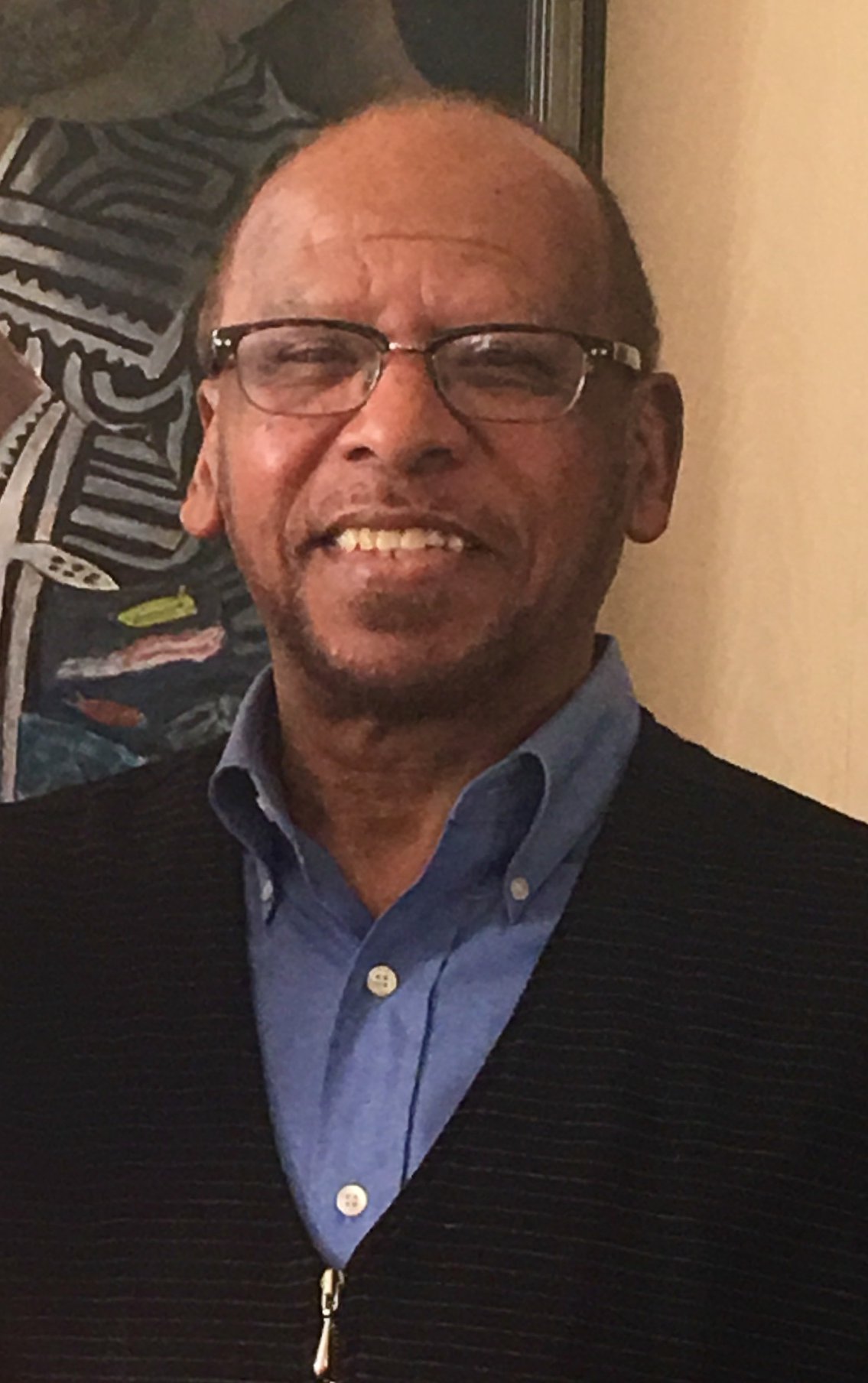
BROTHER AH (Robert Northern, III) – a North Carolina native, is a composer, a multi-instrumentalist whose primary instrument is the French horn, a recording artist, a radio programmer, a former student and colleague of Gunther Schuller, an Air Force veteran, and a bandleader who also performed with Miles Davis, Sun Ra, the Metropolitan Opera, the Vienna State Opera, and other groups all over the world. During his 2017 interview for the Washington DC Jazz Oral History Project, he stated that Sun Ra influenced his views on composing and performing more than anyone else.
“When you joined Sun Ra’s band, you had to sit right next to him. At my first performance with him at a place called Slugs’ [Saloon in New York City], he cut the whole band off and told me, ‘Stand up and take a solo.’ So I played, and I couldn’t keep the mouthpiece on my lip. It kept sliding, and I thought, ‘My goodness, I must be perspiring so much.’ I looked down and I was full of blood. I played so long and so hard that I cut my lip, and he [Sun Ra] only brought the band in when he realized that I realized I was bleeding.”
“So, the next time at rehearsal, I asked him, ‘Sun Ra, I don’t really know all the chord changes and all the other things.’ He told me, ‘Listen, I know you’ve been to school. Forget all your rules that you learned in school. The only rules you will have to know in my band are the laws of nature. That is all. . .”’
“. . . He didn’t have any chord changes, no harmonic structure. He freed me up. He was the one who said you can listen to nature and get the laws of nature, harmonically, rhythmically, all the different ways. He also considered the sound of the wind, and told me to listen to the wind, listen to the rain.”
“. . .When I rode the bus, I would listen to the windshield washers on the bus, the wheels on the subway train . . . Rhythm. He opened up my whole mind to rhythms, melodies, and harmonies that are all around us.”
“He had the greatest influence on me in terms of composing music . . . I became more of a freed-up soloist. I wasn’t so concerned about chord changes, because I wanted to play free.”
Interview Date: May 16, 2017
All Interviews Conducted, Recorded, and Reviewed by
Dr. Regennia N. Williams
Life Member, Oral History Association
Founder and Director, The RASHAD Center, Inc.
*Photograph by Dr. Regennia N. Williams
#WashingtonDCJazz
#DCLegendaryMusicians
#OralHistoryRocks
PLEASE NOTE: Other journalists, radio programmers, and oral historians have also interviewed Brother Ah. For example, in addition to this project, readers can obtain more information on the life and work of Brother Ah in Rusty Hassan’s lengthy interview for the 2017 Washington D.C. Jazz Festival Oral History Archive. Both the audio interview and transcriptions by Willard Jenkins are available online at:
http://www.jazzhistorydatabase.com/archives/washington-dc-oral-history-project/index.php.


