“Beams of Heaven” and the Gospel According to Walter

Beams of heaven as I go  Through this wilderness below Guide my feet in peaceful ways Turn my midnights into days. 

Charles Albert Tindley

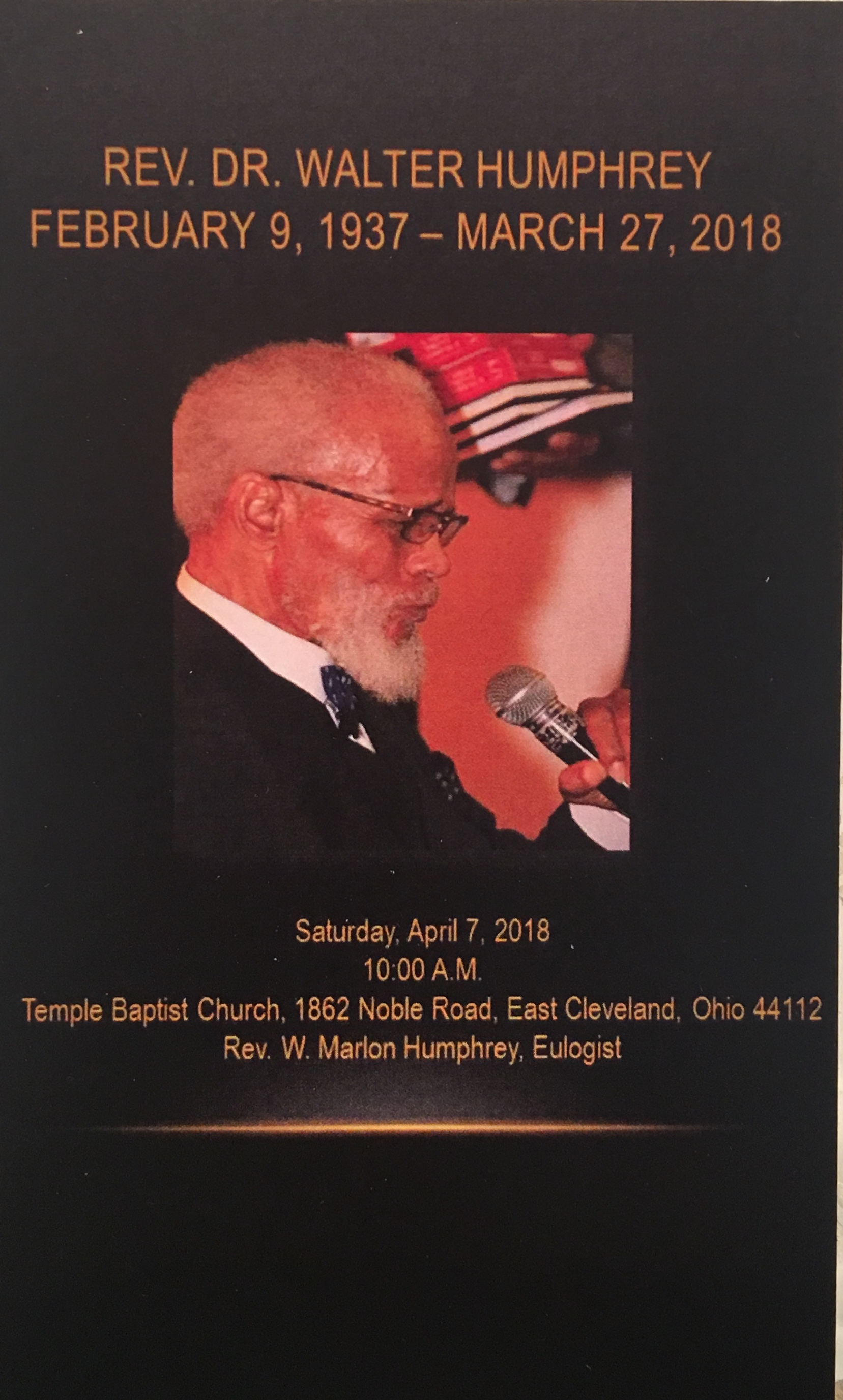
This week, I returned to Cleveland, Ohio to celebrate the life and legacy of the Rev. Dr. Walter “Bud” Humphrey, the long-time pastor and former choir director at our family church, the New Joshua Missionary Baptist Church.

Although I was saddened by the news of his passing, I must also admit that I was overjoyed to join my four sisters, my brother, and dozens of other members of our extended Christian family in singing at a Friday, April 6, 2018 musical tribute to Pastor Humphrey.

That musical and the other events of this weekend reminded me of everything that I love most about the Black Church, including the power of place, the sense of community, and the message in the music.

Next Week, I plan to head home to Maryland’s Montgomery College, where I will have the honor of teaching “Listen Up! From Gospel to Liturgical Jazz,”  a new class that I designed.  Needless to say, I am grateful for another opportunity to teach and to learn, and some of the lessons that I learned in Cleveland have earned a place on the course syllabus!

I will always be indebted to Charles A. Tindley–composer of “Beams of Heaven” –one of Pastor Humphrey’s favorite songs, Duke Ellington, Thomas Andrew Dorsey, James Cleveland, Shirley Caesar, Aretha Franklin, Lonzrine and Nathaniel Williams, Sr. (my parents),  Portia Maultsby, A. Grace Lee Mims, and, of course, Walter “Bud” Humphrey.  They are among the people who taught me to love music and helped me to find my own voice as an educator and a writer, and I really appreciate it.


Posted in Uncategorized | Tagged , , , , , , , | Leave a comment

Jazz Research and the Gift of Music

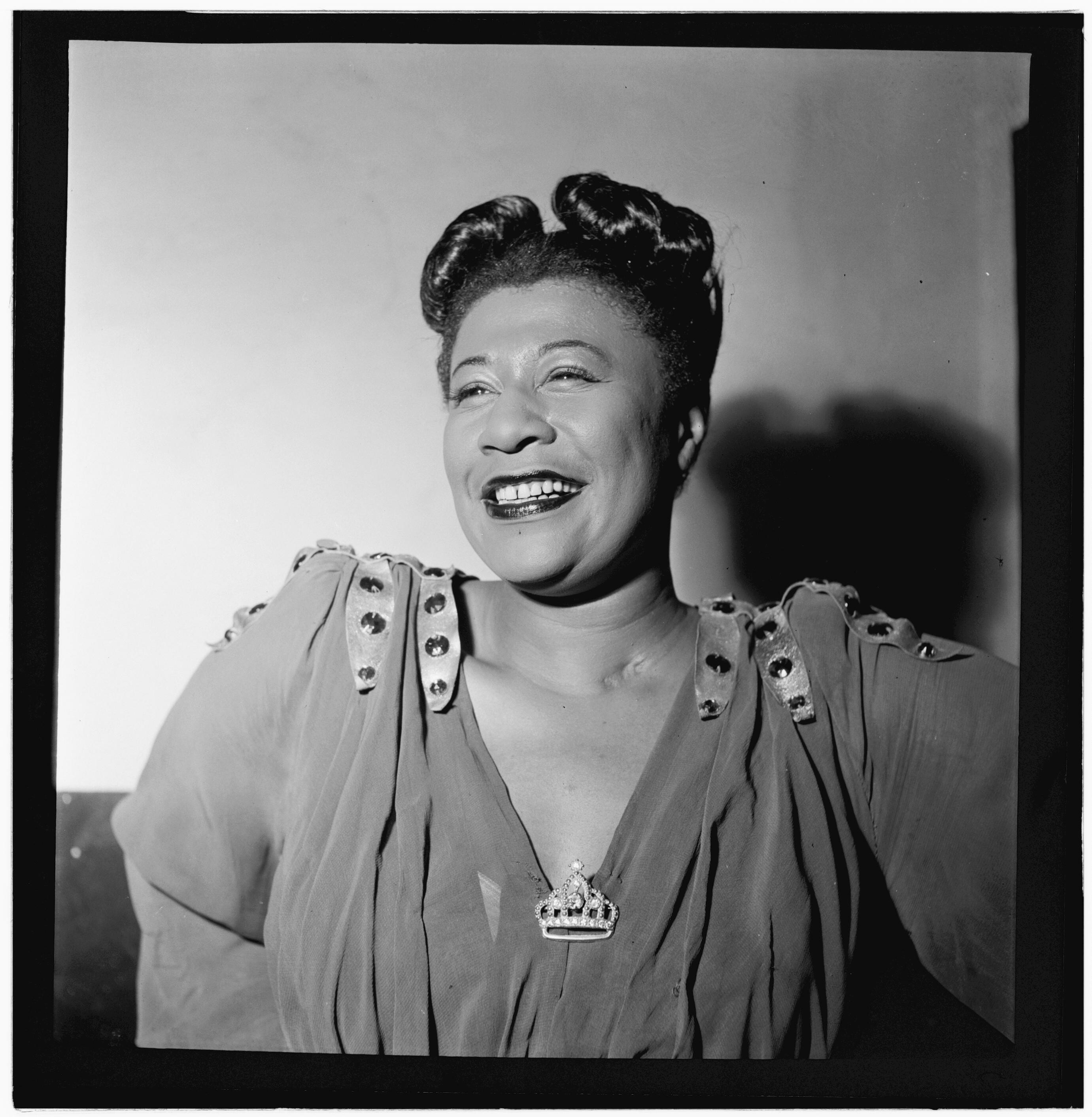
Jazz vocalist Ella Fitzgerald, c. 1946. (William P. Gottlieb Collection, Library of Congress)

Spending time working with jazz-related primary sources in the archives of the Library of Congress and the Smithsonian Institution reminds me of why I love reading and writing about jazz almost as much as I love teaching about and listening to the music!

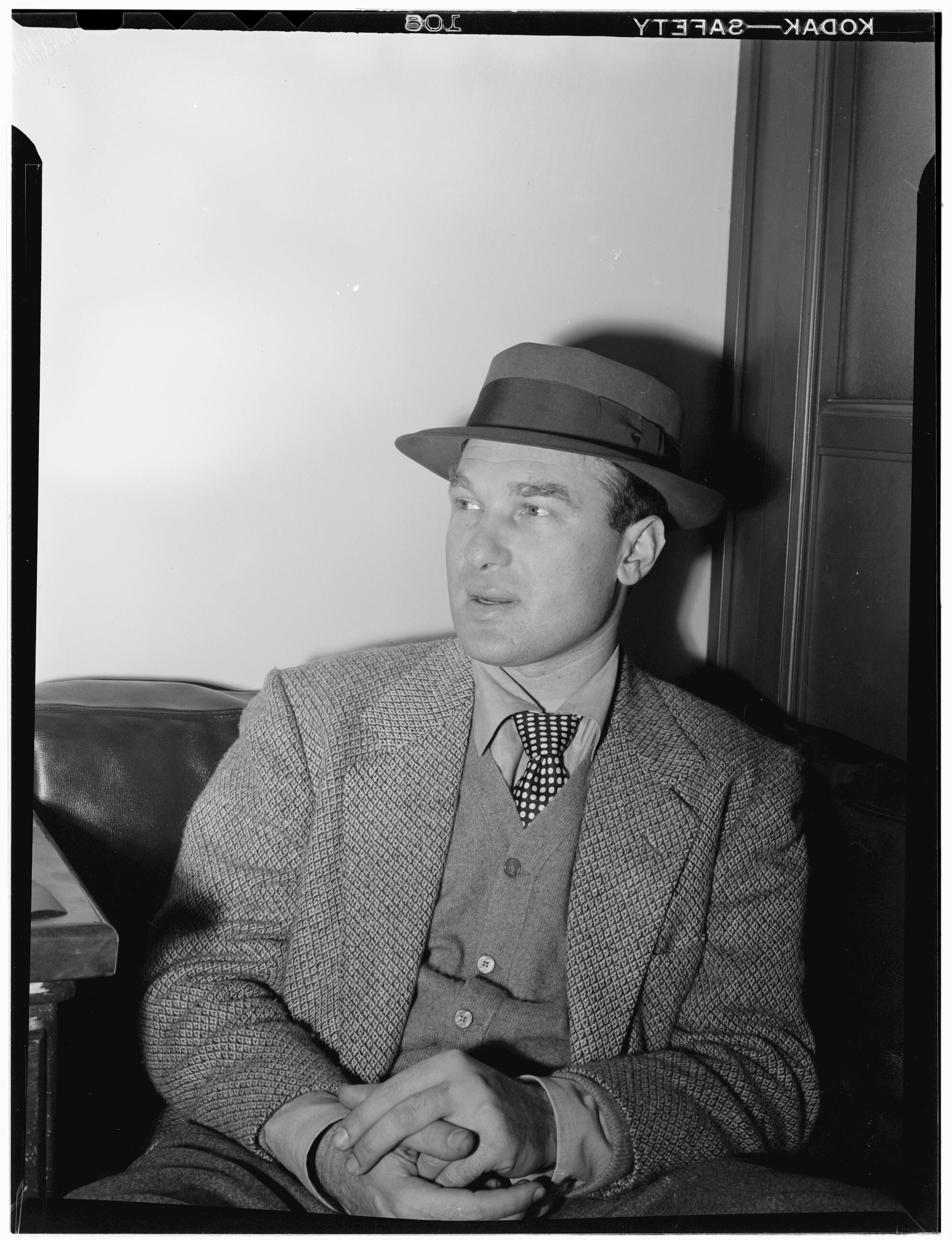
While reviewing manuscript materials related to the work of vocalist Ella Fitzgerald,  bassist Ray Brown, and jazz impresario Norman Granz this week, I was inspired to set some new SMART publication goals.

Needless to say, I am grateful for the opportunity to live and work near so many great archival collections.

Norman Granz, jazz impresario and long-time manager for Ella Fitzgerald, c. 1947. (William P. Gottlieb Collection, Library of Congress.)

Jazz, teaching, and research give back beautiful gifts–including new ideas for engaging  discussions and publications!

Posted in Uncategorized | Leave a comment

The Revolution Is Now Being Televised and Tweeted!

Screen Shot 2018-01-16 at 4.40.26 PM

I am pleased to announce that the 2017 issue of The Journal of Traditions & Beliefs is now available online.  The theme for this issue is “The Revolution Is Now Being Televised and Tweeted: Black Protest, Preaching, and (Re)Presentations, From the Black Arts Movement to #BlackLivesMatter, c.1965-2016.”

Special thanks to guest editor Sherlynn Allen-Harris and the other authors and artists whose ideas are included in this volume.

I am especially grateful to the late Gil Scott-Heron, whose music provided the soundtrack for my 1970s “coming of age” story and whose words inspired the theme for 2017. As a high school student in Ohio, I listened to music from a variety of genres, but nothing seemed to be more entertaining and enlightening than the music of Gil Scott-Heron. His art reflected an awareness of the key social issues in urban America and in communities across the globe, and some of his songs (including “Is That Jazz?”) were pure celebrations of the best in African American history and culture.

Read all about it at http://engagedscholarship.csuohio.edu/jtb/vol5/iss1/.

Dr. Regennia N. Williams


Posted in Uncategorized | Leave a comment

Scott-Heron, Hughes, and the Blues

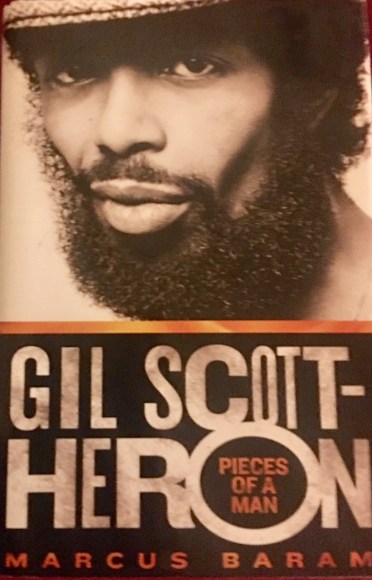
Pieces of a Man Book CoverThe more I learn about Gil Scott-Heron, the more I admire him.  I have long been familiar with his work as a poet, pianist, composer, spoken word artist, and the youthful voice of Black protest in the 20th century. It was not until 2017, however, that I discovered how much he had in common with another great writer, Langston Hughes.
Born nearly five decades apart, both Hughes (1902-1967) and Scott-Heron (1949-2011) gained a large readership/listening audience while they were students at Pennsylvania’s Lincoln University.  In their heyday, each man’s work was seen as part of a larger cultural movement; the Harlem Renaissance of the 1920s for Hughes, and the Black Arts Movement of the 1970s for Scott-Heron.

Both men also made liberal use of blues traditions in their work. The Weary Blues (1926), for example, was Hughes’ first published volume of poetry.  In The Life of Langston Hughes, biographer Arnold Rampersad even described Hughes as the “little brown poet of the blues.”

For his part, Scott-Heron was a self-described “bluesologist,” and, according to Marcus Baram, author of Gil Scott-Heron: Pieces of a Man, “He actually coveted any comparison with Hughes, when critics made the reference in their reviews.”  This blog post is not a review, but I am making the reference. Hughes and Scott-Heron remind me of each other, in more ways than I can mention here.

Please join me in celebrating the blues in the art and life stories of Hughes and Scott-Heron during Black History Month 2018.  Even if you don’t get to read their work in February, remember great art is always in vogue! –RNW


Posted in Uncategorized | Tagged , , , , , , , , , , , , , | Leave a comment

The DC Living Heritage Network and the Art and Science of Strengthening Humanities Organizations in DC

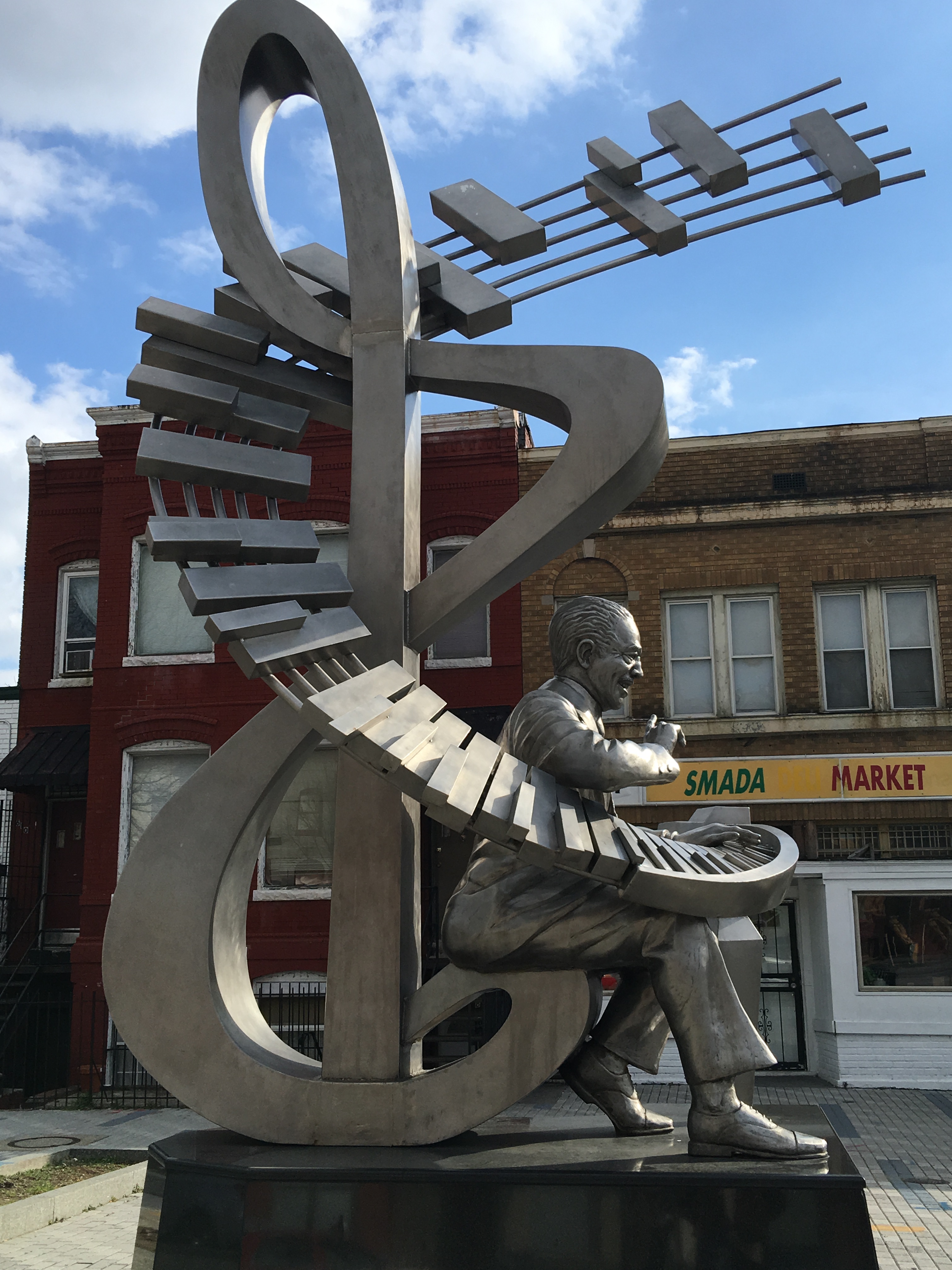
Titled “Encore,” this statue of native Washingtonian and jazz legend Duke Ellington is now a familiar landmark in the historic Shaw-Howard Community. Like many supporters of the DC Living Heritage Network, Ellington explored the linkages between the arts, humanities, and business–often while living in Shaw and/or working in the Greater U Street Corridor.

In the short time that I have been aware of and actively participating in the small group meetings of the DC Living Heritage Network (DCLHN), I have come to appreciate the vital role that creative thinkers play in both the non-profit and for-profit sectors.

A program of Humanities DC, DCLHN is “an active community of cultural advocates that believes in inclusion, collaboration, and capacity building for organizations and individuals supporting the humanities, heritage, and preservation.”

Facilitated by Jerome S. Paige, the group sessions are held at 11:30 a.m. on Tuesdays, at the Mulebone Restaurant  in the Greater U Street Corrider, home to “Black Broadway” and numerous jazz venues in the early 20th century.

Summer 2017 discussions have included such topics as “Writing Business Plans,” “Social Media and Marketing,” and “Building the Strength of Your Brand through Relationships.” Among those who attend on a regular basis are visual artists, directors of performing arts organizations, humanities scholars, educators, and representatives from Humanities DC.

Most recently, Gina Paige, founder of African Ancestry, a company that focuses on African DNA lineage tracing, served as the guest speaker. Launched in 2003, Paige describes her company as an “identity business.”

And what does this for-profit busines that relies so much on the science of genetics have to do with humanities, heritage, and preservation?  For me, the answer can be found in Paige’s statement about the significance of African Ancestry’s heritage-related work: “Knowing where you are from is an important part of knowing who you are.”

For more information on the DC Living Heritage Network, visit http://www.wdchumanities.org/dc-living-heritage-network/.


Save

Save

Save

Save

Save

Save

Save

Save

Save

Save

Save

Posted in Uncategorized | Tagged , , , , , , , , , , , , , | Leave a comment

Covers, Echoes, and New Music from Gregory Porter

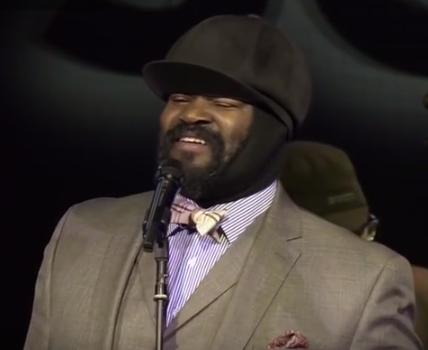
Gregory Porter

What happens when Gregory Porter covers the Temptations (and others’) “Papa Was a Rollin’ Stone,” echoes passages from Marvin Gaye’s “What’s Going On?,” and writes, records, and shares his own 21st-century soulful jazz compositions with the world?  Great music– over and over again!  Listen for yourself.  IJS.

Regennia N. Williams, PhD


Save

Save

Save

Save

Save

Posted in Uncategorized | Tagged , , , , , , , , , | Leave a comment

Lena Horne: Life, Music, Struggle, and Success

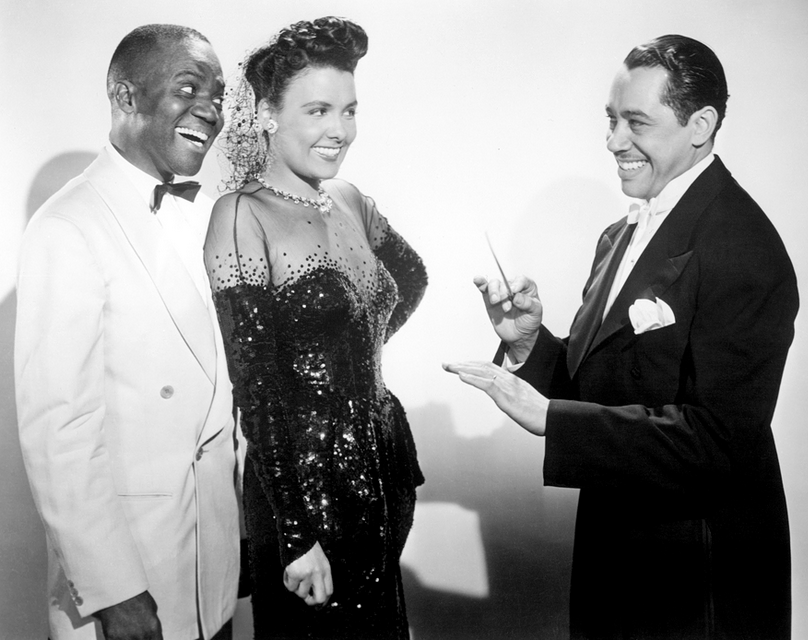
Bill “Bojangles” Robinson, Lena Horne, and Cab Calloway, co-stars of “Stormy Weather,” the 1943 20th Century Fox musical.

As I join others in  commemorating the centennial of the birth of Lena Mary Calhoun Horne (1917-2010), I am reminded of the struggles and triumphs of African American musical artists–in both their public careers and private lives.

This week, I invited the students in my “Jazz Age and the Harlem Renaissance” course at Montgomery College to watch the video of Horne performing  one of her signature works, “Stormy Weather,” (available on Youtube) in the World War II Era classic movie of the same name. By the time of the film’s release in 1943, Horne, who had joined the chorus line at Harlem’s Cotton Club in 1933, was a seasoned professional.

When she was not performing, her social consciousness and political activism led to her participation in the 1963 March on Washington and Civil Rights activities with pianist Billy Strayhorn and other African American artists. While her activism had a negative impact on her film career beginning in the Cold War Era, she enjoyed a decades-long  career as a vocalist and recording artist.

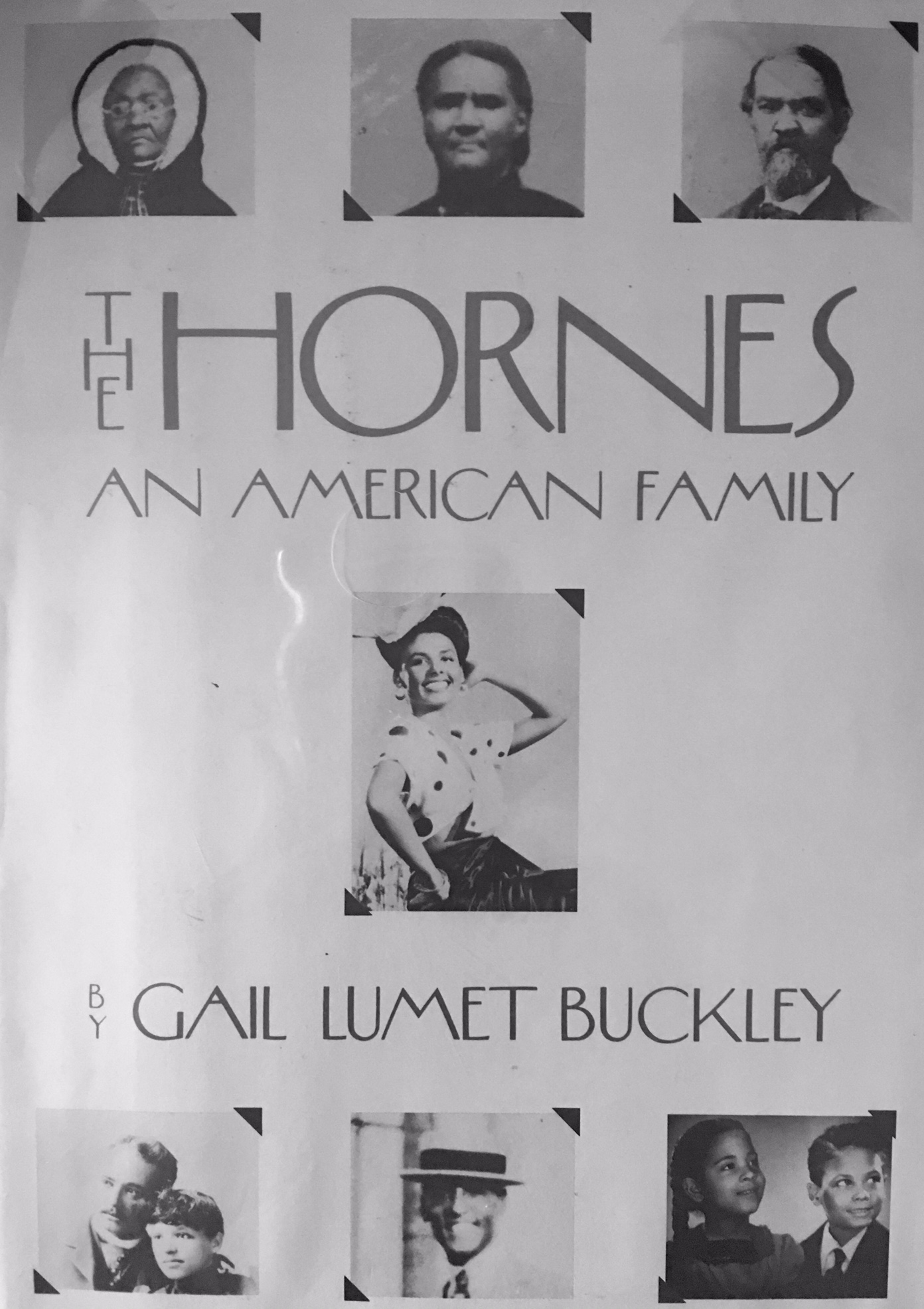
For an engaging look at the extraordinary life of Lena Horne, please see The Hornes, An American Family (Knopf, 1986), by Horne’s daughter, Gail Lumet Buckley.


Save

Save

Save

Save

Save

Save

Save

Save

Save

Save

Save

Save

Posted in Uncategorized | Tagged , , , , , | Leave a comment

“Call and Response” with Keter and Ella

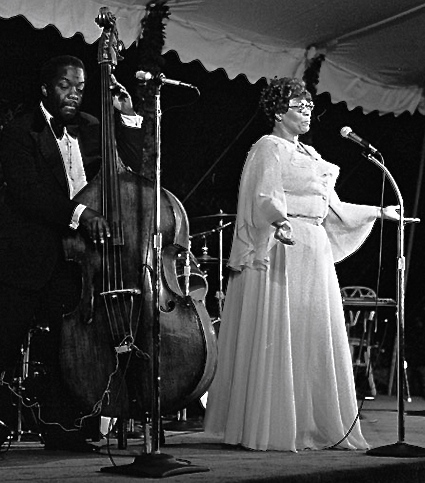
Keter Betts and Ella Fitgerald (Courtesy Gerald R. Ford Library)

The summer of 2017 has been a wonderful season of teaching and learning for me, especially when it comes to those lessons about outstanding musicians.  The music of bassist Keter Betts (1928-2005), for example, continues to provide abundant evidence of the versatility of African American jazz artists and their willingness to share their gifts with and learn from other artists.    As a relative newcomer to the mid-Atlantic region, I also like knowing that Betts’ family has ties to Maryland’s Montgomery College, where I am teaching a course on “The Jazz Age and the Harlem Renaissance.”

Betts, a native of New York state and a longtime resident of Maryland,  is proving to be my go-to bassist for course-related evidence of the rich legacy of the early 20th-century Jazz Age and musical innovations that were introduced to American audiences in subsequent decades–including those associated with Betts’ work with guitarist Charlie Byrd on the Brazilian-inspired “Jazz Samba” and the related growth in the popularity of bossa nova.

I recently invited my Montgomery College students and readers of this blog to listen to a 1986 performance of Dizzy Gillespie’s “A Night in Tunisia,” featuring Keter Betts and Ella Fitzgerald.  Today, I would like to share yet another example of the artists’ mastery of improvisation and their playful (and somewhat unorthodox) use of “call and response” in yet another live performance:  https://www.youtube.com/watch?v=uKNgAAaoD_E

No wonder Keter and Ella are two of my favorite teachers!

Regennia N. Williams, PhD


Save

Save

Save

Save

Save

Save

Save

Save

Save

Posted in Uncategorized | Tagged , , , , , , , , , , | Leave a comment

Singing, Swinging, and Bopping with Dizzy, Ella, and Lena!

Dizzy Gillespie

I am certain that writer-photographer William Gottlieb enjoyed his work as a journalist, especially since it afforded him countless opportunities to see and hear many of the greatest jazz artists of all time–including Dizzy Gillespie, Ella Fitzgerald, and Lena Horne.  In 2017, I am celebrating the fact that this genius photographer and the three aforementioned artists (shown here in Gottlieb photos circa 1947) were all born in 1917. (Wonder if they realized at the tender age of 30 that their work would be so essential to defining “The Golden Age of Jazz.”)

The 100th birthday celebrations have already begun, and they will continue through the end of the year.  Please join me as I get my personal blog party started, by checking out the online William Gottlieb Collection (Library of Congress) and listening to a 1986 Wolf Trap performance of Gillespie’s “A Night in Tunisia,” featuring Ella Fitzgerald and bassist Keter Betts.

Happy birthday to William, Dizzy, Ella, and Lena, and happy viewing and listening to you!  — Regennia N. Williams, PhD

Ella Fitzgerald


Lena Horne


William Gottlieb

Save

Save

Save

Save

Save

Save

Save

Save

Save

Save

Save

Save

Save

Posted in Uncategorized | Tagged , , , , , , , , | Leave a comment

Heading “Back to School” in Maryland This Summer and Taking Some of My Favorite Former Washingtonians with Me!

It’s “Back to School” month for the students in my “Jazz Age and the Harlem Renissance” class at Montgomery College, and I would like to invite you to join us in reading (and/or viewing and listening to) materials related to this incredible era in American history. Feel free to check out the following on your own. and remember that great music and great books can brighten any day–especially when there are no pop quizzes and exams!

Articles and Essays:

“James Reese Europe, 1881-1919”

Library of Congress Biographical Sketch

https://loc.gov/item/ihas.200038842


“Memoirs of ‘Jim’ Europe,” ca. 1942, by Noble Sissle

Typescript manuscript. NAACP Papers, Manuscript Division, Library of Congress

https://www.loc.gov/exhibitions/world-war-i-american-experiences/online-exhibition/world-overturned/returning-home/james-reese-europe-and-jazz/


*“The New Negro,” Alain Locke (1925)

*“The Negro Digs Up His Past,” Arthur Schomburg (1925)

*“The Negro Artist and the Racial Mountain,” Langston Hughes (1926)

*“How It Feels to Be Colored Me,” Zora Neale Hurston (1928)

*The above documents are available on numerous websites.


Recommended Books on the Harlem Renaissance and Its Legacy:

Valerie Boyd, Wrapped in Rainbows: The Life of Zora Neale Hurston (2003)

Alyce Claerbaut (editor), Strayhorn: An Illustrated Life (2015)

Harvey G. Cohen, Duke Ellington’s America (2010)

Ingrid Monson, African Diaspora: A Musical Perspective (2003)

Ingrid Monson, Freedom Sounds: Civil Rights Call Out to Jazz and Africa (2010)

Howard Pollack, George Gershwin: His Life and Work (2006)

Arnold Rampersad, The Life of Langston Hughes (Second Edition, 2002)

Save

Save

Save

Save

Save

Save

Save

Save

Save

Save

Posted in Uncategorized | Leave a comment