Washington DC Jazz Oral History Project, Chapter 17


“I am a drummer, and I love my music. I have been doing this since I was eight, and I will be 61. That’s a long time playing drums. I love doing what I do.” – Donald “Big Foot” Edwards
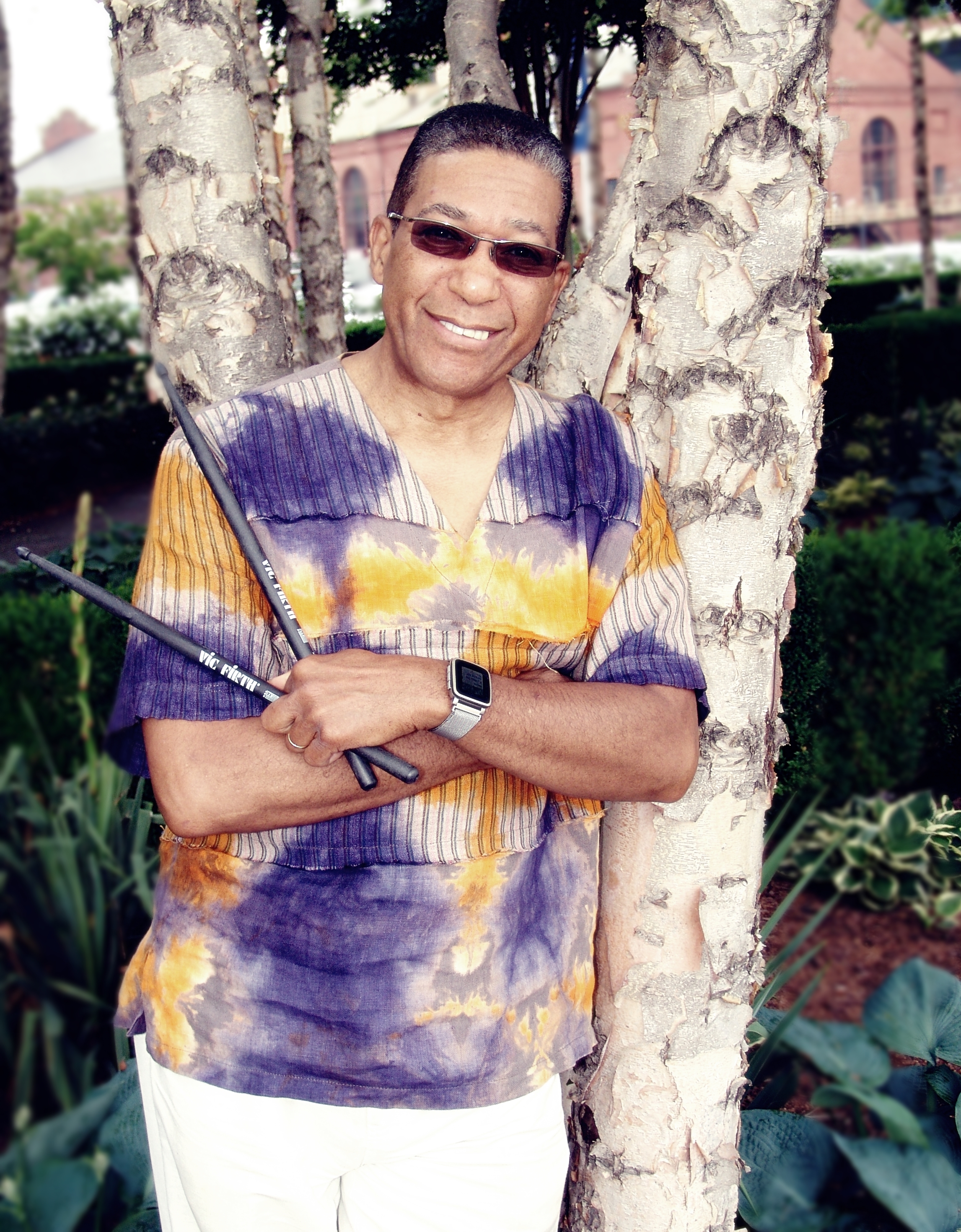
Donald Edwards

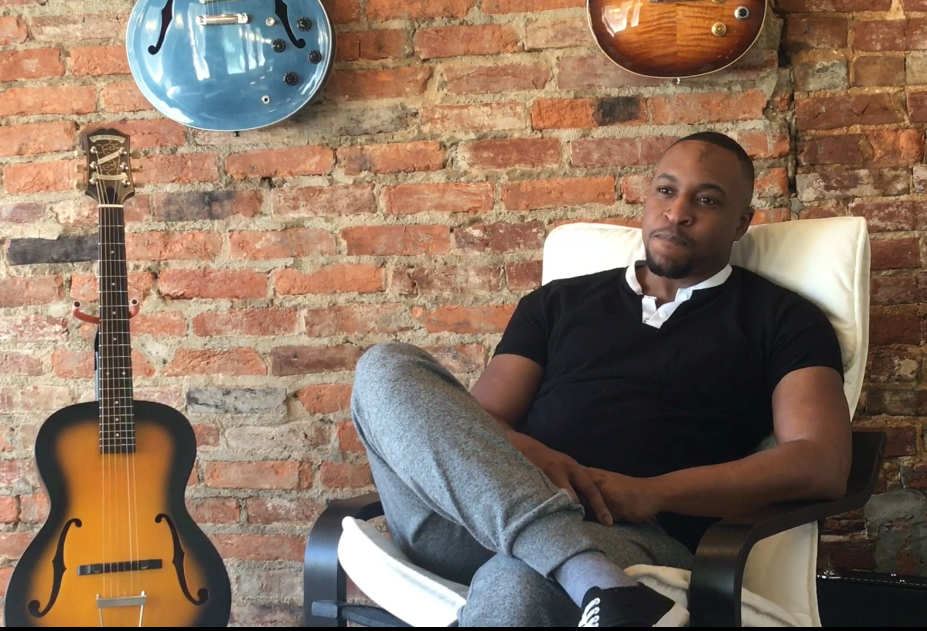
DONALD EDWARDS, a native of Japan, started playing drums when he was an eight-year-old student at Holy Comforter School in Washington, DC, and he was working as a paid professional by the time he was a teen. During his May 3, 2017 interview for the Washington DC Jazz Oral History Project, he discussed, among other things, his love for music, the “drill sergeant” father who was his first teacher, and his “‘A Train’ Wow” moment.

“My name is Don Edwards. I am not with a band, but I do a lot of freelance work around DC. At Takoma Station [Tavern], I do jazz on Tuesdays. Other than that, I am a drummer, and I love my music. I have been doing this since I was eight, and I will be 61. That’s a long time playing drums. I love doing what I do. I love to see people dancing, having a good time . . .”

“My dad, Harry Edwards [was my main influence]. I was in Catholic School at the time. I was young, I was eight. I came home, went down to the basement, and, low and behold, I saw a drum kit. I smiled, and I was so happy I jumped on it, played some James Brown . . . That’s basically my influence.”

“It was a real drum kit, full size, five pieces. . . I went there and I played those things link crazy. I used to have people — Between the houses near where we lived, there would be like 50 people looking in my basement window, and I’m playing. My mother goes, “Donald, why do you have so many people out there?” I would say, “Ma, they are listening to me play drums!” I used to have packs of people out there, front yard, and the side of the house . . . Just listening, listening to me play.”

“My father just thought it was something that I would want to do and like to do, perhaps . . .That was his initiative, because I would beat on the table, when I was young, with spoons and forks. . . So that is where it came from.”

“I was born in Japan. I was like five or six when I came to the United States. I remember coming on a boat to New York. Dad was in the military. He wasn’t with us.   Myself, my mom and three sisters were on the boat . . .”

“Dad played violin, mom played piano, my oldest sister played piano, and I play drums. My twin doesn’t play anything, and my baby sister played piano.”

“We [dad and I] would sit down in the basement. The equipment was down there, his record player, and he would put a record on. let’s say Duke Ellington.   Let’s say “A Train.” He would say, “What’s the tempo?” I would say, “4/4.” “Right!” He would say, “Who is playing piano?” I would say, “Duke Ellington.” And he would say, “Right.” He would just be drilling me, and he would ask, “What’s the name of the song?” I would say, “A Train.”

“. . . He would drill me like a drill sergeant. He was in the army, so that’s why he did that. Other than that, he also played violin. I will never forget a buddy of mine. . . I was playing drums in the basement, and my father was coming down the steps with this violin, (pretends to play), and I would switch it up and start playing jazz. I recorded it, but I don’t have the recording any more . . . I will never forget that moment, when he was coming down in the basement with his violin, and I WAS playing drums. It was nice. It was phenomenal. He passed eight years ago, and during the time of the funeral, they played “A Train.” I said, “Wow!” Everybody started crying. I started crying. Yeah!”


Don on Drums, All That Jazz Band, 2018

“Take the A Train,” VFW Lanham

https://youtu.be/iE34dZRJeaw


Takoma Station Tavern

http://www.takomastation.com/


A History of Holy Comforter-Saint Cyprian Parish

http://hcsc.catholicws.com/wp-content/uploads/2012/12/HCSC-History-1.pdf


Interview Date: May 3, 2017

All Interviews Conducted, Recorded, and Reviewed by

Dr. Regennia N. Williams

Life Member, Oral History Association

Founder and Director, The RASHAD Center, Inc.

For more information, please visit: https://rashadcenter.wordpress.com/.

*Photograph (Still from Oral History Video, Shot at Gibson Guitar, Inc.) Courtesy of Dr. Regennia N. Williams

#WashingtonDCJazz

#DCLegendaryMusicians

#OralHistoryRocks
Posted in Uncategorized | Tagged , , , , , , , , | Leave a comment

Washington DC Jazz Oral History Project, Chapter 16

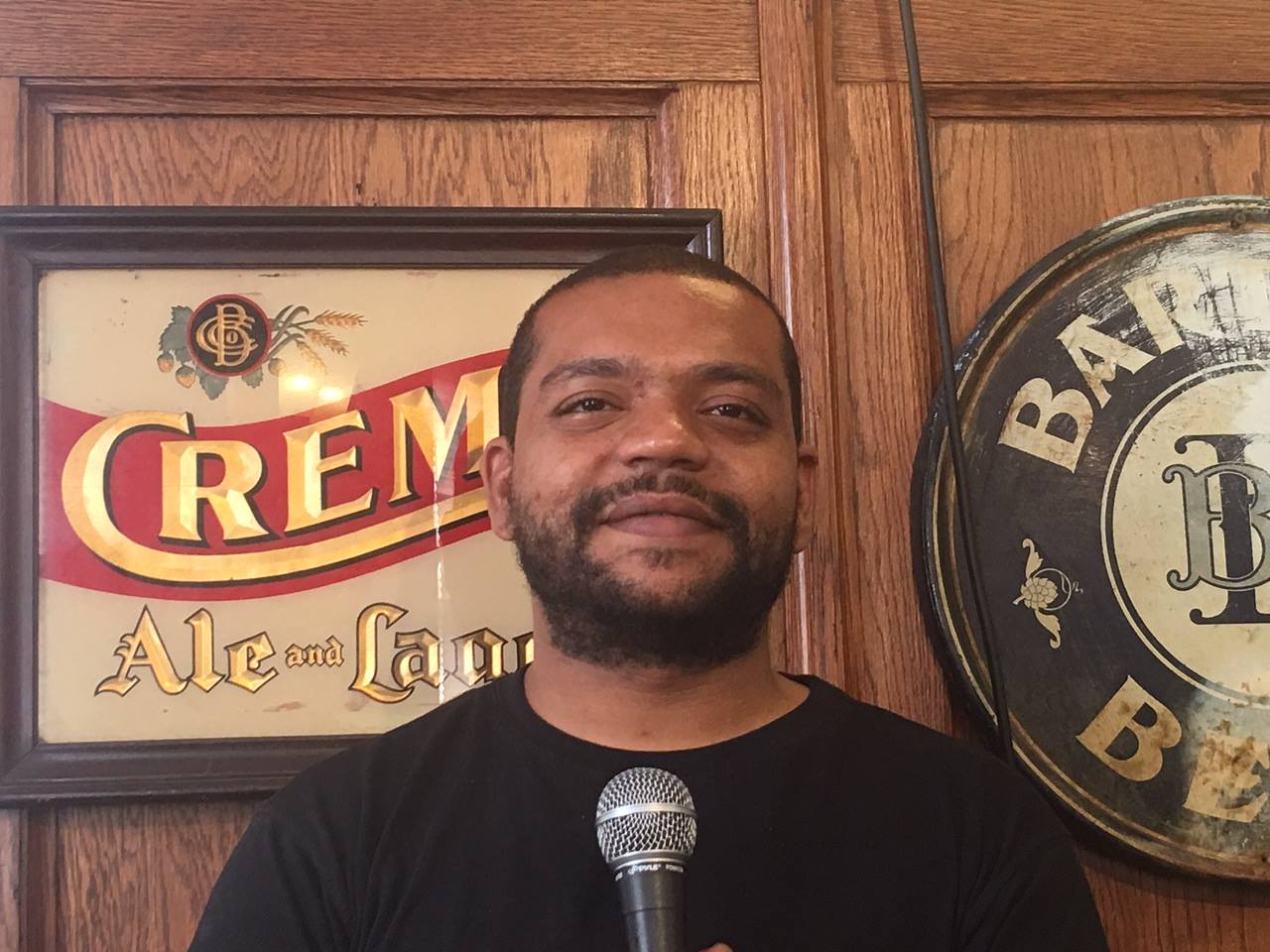
“We are very familiar with the landscape, the land, and the people. We have a rich history in that part of Texas.”—Aaron Myers

Aaron Myers


AARON MYERS—a Texas native, has worked as a professional jazz vocalist for 14 years. He also has more than 20 years’ experience in music ministry, and he plays piano, keyboards, and the Hammond B-3 organ. Myers is Board Chairman for the Capitol Hill Jazz Foundation. During his interview for the Washington DC Jazz Oral History Project, he discussed, among other things, his childhood in rural Goodlow, Texas, a Black town, and the influence of his extended family.

“I attended Kerens ISD (Independent School District). Kerens is unique. It was a cotton capital, I guess you could say. I was raised in a sharecropping community, a primarily Black sharecropping community called Goodlow, Texas. At the time the population was like 312.”

“Kerens was the center little town of about 1,700 people, but all of the little rural areas around there sent their children to school in Kerens. So, you had K-12 on one campus, and many of the teachers who taught there had been teaching for 20, 30, 40 years. Me and my mom had many of the same teachers. My family has been in that area since about 1860, 1870.”

“We are very familiar with the landscape, the land, and the people. We have a rich history in that part of Texas. My grandfather was a farmer, a sharecropper, and my mother. They picked cotton up until the 1970s; well, late 60s, early 70s.”

“Now, Kerens integrated in 1966. The county seat–which is Navarro County, Corsicana–they integrated, I believe, in 1970. So, there was really no Civil Rights Movement where I’m from. There was a rich history of the Black school, the segregation at the time. When you hear the older people talk about it, they talk about it a little more, sometimes, pleasingly, because they had their own stores, their own doctors.  They had their own funeral homes, their own whatever they needed there in the community.”

“The community seemed nicer, it was kept nicer, and then integration happened, and everybody went up to the White stores and abandoned the Black stores. Of course, the White people never came down there. That area was full of farmers and laborers. My grandmother was not only a farmer’s wife who picked cotton, she was also a maid. She kept the house, usually, of the people whose property they were sharecropping on.”

“Then they got out of that, and gramps went to work in the lumberyard. I think it was the late 60s, ‘68, ‘69. He went to work in the lumberyard, and then they went on from there. But, you know, when you sharecrop for so long, you don’t get certain benefits, as you would get as you retire, so my grandfather worked until he was 88. He worked still in a laborer’s type of position. He cleaned a washeteria every night. He opened, closed it, and cleaned it. He also would open and clean filling stations—gas stations that were around the area.”

“He also picked up cans. We would pick up cans, crush them, and take them to the weight place . . . We would sometimes go down to the creek; sometimes people would throw stuff out, and we would get stuff out and take it to the place where we could weigh it, for metal, at least. He did that until he was about 88 or 89. He died at 99, so he only enjoyed about 10 years of retirement, per say; the last two years in ill health, but still mobile.”

“As a young person, my grandparents were usually the age of everyone else’s great grandparents.”


Interview Date: May 3, 2017

All Interviews Conducted, Recorded, and Reviewed by

Dr. Regennia N. Williams

Life Member, Oral History Association

Founder and Director, The RASHAD Center, Inc.

For more information, please visit: https://rashadcenter.wordpress.com/.


*Photograph (Still from Oral History Video, Recorded at Gibson Guitar, Inc.) Courtesy of Dr. Regennia N. Williams


Aaron Myers, Excerpt from Oral History Interview


Aaron Myers, Kennedy Center, Millennium Stage


#WashingtonDCJazz

#DCLegendaryMusicians

#OralHistoryRock


Posted in Uncategorized | Tagged , , , , , , , | Leave a comment

Washington DC Jazz Oral History Project, Chapter 15

“There is always lots of room for education, pr, and talking about the Howard Theatre and its importance, because it is the oldest major theatre for African American entertainment in the country, older than the Apollo by 25 years.” -–Roy “Chip” Ellis

Roy "Chip" Ellis

ROY “CHIP” ELLIS — of the Ellis Development Group and the Howard Theatre Development Group– discussed family ties and business ties to Washington DC’s historic Shaw-Howard Community.

“We came upon the Howard Theatre back in 2005. I was developing the property next door, the Progression Place project, that currently houses the United Negro College Fund. In the same square block sat the Howard Theatre. I really felt as if it was important that the Howard be brought back. If we were going to do this large, mixed-use development next door, we needed to have something that would attract people back to this very historic square block called Seventh and T. ”

“Seventh and T is, for Washingtonians, a very famous place. Not only was it a great meeting place in the area, but it was also where the Howard Theatre sat since 1910. So, I knew it was very important. People had tried many, many times to restore the Howard Theatre, but it lay dormant for almost 35 years, until myself and my partner, Malik Ellis, came and decided that we wanted to restore the Historic Howard Theatre . . .”

“I am a fourth generation Washingtonian. My father grew up in this neighborhood. He actually grew up at 9th and P, between 9th and 10th, actually, on P Street. My great grandfather came here with an opportunity to run his brother’s or his cousin’s restaurant that was here on 9th Street back, probably, in the early 1920s. So, my great grandfather and great grandmother came here and lived on 9th Street, and they had a place called the Eureka Café Below. So, they lived above and had a café below.”

“My great grandfather went to Armstrong High School. My father went to Cleveland Elementary, and then he went on to Dunbar High School. He would tell me stories about coming to see acts at the Howard Theatre when he was a young guy.”

“He would always tell me about how he would see Lionel Hampton here, and how many of the people that came to see Lionel, once he started playing the song ‘Flying Home,’ people would, literally, jump out of the balcony area, these balcony areas that you see here [pointing to the seating areas just above the stage], would literally jump off and on to the stage. I always wondered, “How in the world did they do that?” But, he said they would, literally, jump from the balcony to the stage and just start dancing when he would play ‘Flying Home.'”

“[My father lived] very close to Shiloh [Baptist Church], just, probably, four blocks from here. Like I said, my father went to Cleveland Elementary. My great grandparents had the Eureka Café on 9th. He would go there, get his Coca Cola, and then would come over here—potentially, to the Dunbar Theatre, and see what he used to call a “shoot ‘em up.” I guess they had cowboy and Indian movies at the Dunbar. I guess, when he got a little older he attended the Howard Theatre . . .”

*ON GENTRIFICATION AND PRESERVING THE OLD WHILE WELCOMING THE NEW

“I think it’s working. It was very critical for Malik and I, when we decided to take on the Howard Theatre, to have a nonprofit that would be around the Howard Theatre and would ensure that the music was always preserved, the history was preserved, the building’s exterior was preserved, and so that it could also educate the younger generations– and the older generations that may not be from here, about the importance of the Howard Theatre. . .”

Interview Date: May 9, 2017

All Interviews Conducted, Recorded, and Reviewed by

Dr. Regennia N. Williams

Life Member, Oral History Association

Founder and Director, The RASHAD Center, Inc.

For more information, please visit: https://rashadcenter.wordpress.com/.

*Photograph (Still from Oral History Video) Courtesy of Dr. Regennia N. Williams

Lionel Hampton’s “Flying Home”

#WashingtonDCJazz

#DCLegendaryMusicians

#OralHistoryRock


Posted in Uncategorized | Tagged , , , , , , , , , | Leave a comment

Washington DC Jazz Oral History Project, Chapter 14

“I was blessed and fortunate to tap into that wonderful artistry of jazz and those icons and other people who continue to keep it alive here in the DMV.” — Janine Gilbert-Carter

Janine Gilbert-Carter


JANINE GILBERT-CARTER – a Pennsylvania native who migrated to the Washington DC Metropolitan Area in 1988, got an early start singing at the St. John Baptist Church in Aliquippa. During her April 2017 interview for the Washington DC Jazz Oral History Project, she confessed that she is now at home performing jazz, gospel, blues, and other styles. She also shared her priceless stories about her live performances and studio work involving other Mid-Atlantic artists, including Ronnie Wells-Elliston, Ron Elliston, Paul Carr, Keter Betts, and James “Tex” King.

“My very first professional jazz performance was orchestrated by Ronnie Wells-Elliston, and it was at Vincino’s [Ristorante Italiano] in Silver Spring, Maryland, when they first opened—[with a jazz performance series run] by Chad Carter and Ted Carter.  Chad Carter is a local jazz musician himself. I remember playing there with Vince Smith on piano and Wes Biles on bass . . .”

“I actually did two recording at once, at two different studios! I recorded a gospel CD and a jazz CD that came out at the same time. For the jazz CD, I talked with Ronnie Wells-Elliston and asked, “Do you think I’m ready to do this?” She said, “Absolutely!” So, I worked with her and John Miller, who had a studio out in Olney, Maryland.”

“On that first jazz CD [“In the Moment”], I was blessed, once again, to have saxophonist Paul Carr, drummer Mike Smith, Aaron Graves on piano, and James “Tex” King on bass. So, I was able to do my very first jazz recording with the top-notch jazz musicians in the DMV . . .”

“ . . . I think Washington, DC is becoming that hub where musicians want to come and share their gifts of artistry, just like in New York. I am thankful that I was introduced to those in jazz—like Ronnie Wells and Ron Elliston, Paul Carr—and that I was able to meet Keter Betts and play with Keter Betts. He is a legend here in Washington DC.”

“I was blessed and fortunate to tap into that wonderful artistry of jazz and those icons and other people who continue to keep it alive here in the DMV.”

Interview Date: April 22, 2017

All Interviews Conducted, Recorded, and Reviewed by

Dr. Regennia N. Williams

Life Member, Oral History Association

Founder and Director, The RASHAD Center, Inc.


*Photograph Courtesy of Janine Gilbert-Carter


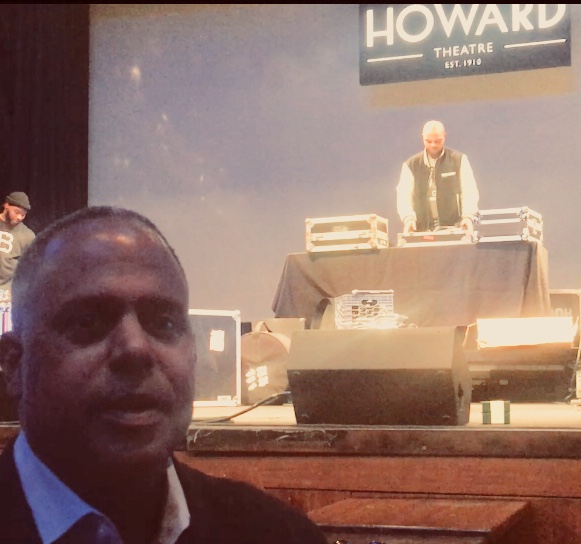
Janine Gilbert-Carter Live at the 15th annual FMJS East Coast Jazz Festival


#WashingtonDCJazz

#DCLegendaryMusicians

#OralHistoryRocks
 

Posted in Uncategorized | Leave a comment

Washington DC Jazz Oral History Project, Chapter 13

“He told me, ‘Listen, I know you’ve been to school. Forget all your rules that you learned in school. The only rules you will have to know in my band are the laws of nature. That is all . . .”   — Brother Ah on the Influence of Sun Ra

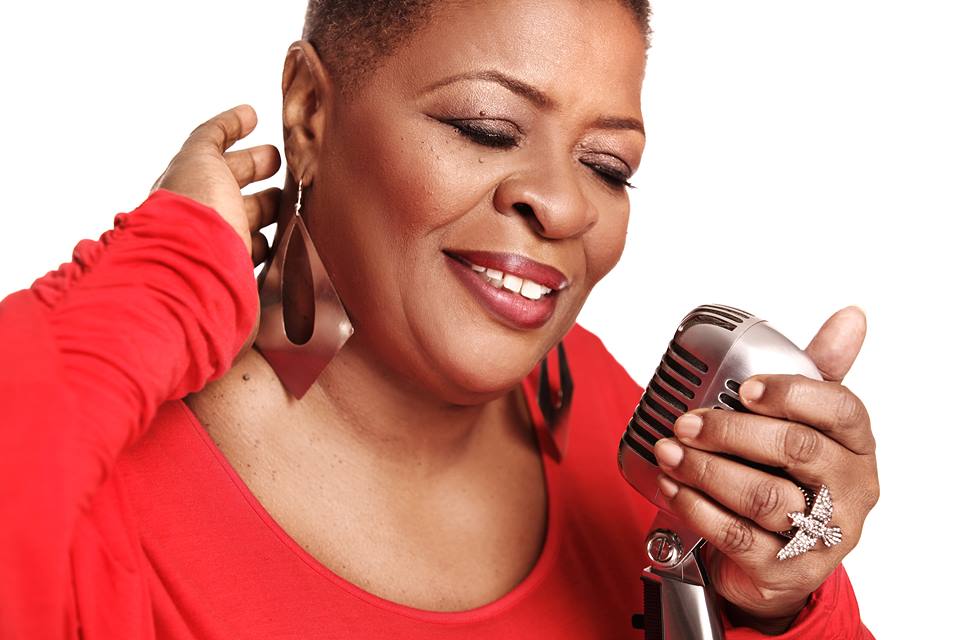
BROTHER AH (Robert Northern, III) – a North Carolina native, is a composer, a multi-instrumentalist whose primary instrument is the French horn, a recording artist, a radio programmer, a former student and colleague of Gunther Schuller, an Air Force veteran, and a bandleader who also performed with Miles Davis, Sun Ra, the Metropolitan Opera, the Vienna State Opera, and other groups all over the world. During his 2017 interview for the Washington DC Jazz Oral History Project, he stated that Sun Ra influenced his views on composing and performing more than anyone else.

“When you joined Sun Ra’s band, you had to sit right next to him. At my first performance with him at a place called Slugs’ [Saloon in New York City], he cut the whole band off and told me, ‘Stand up and take a solo.’ So I played, and I couldn’t keep the mouthpiece on my lip. It kept sliding, and I thought, ‘My goodness, I must be perspiring so much.’ I looked down and I was full of blood. I played so long and so hard that I cut my lip, and he [Sun Ra] only brought the band in when he realized that I realized I was bleeding.”

“So, the next time at rehearsal, I asked him, ‘Sun Ra, I don’t really know all the chord changes and all the other things.’ He told me, ‘Listen, I know you’ve been to school. Forget all your rules that you learned in school. The only rules you will have to know in my band are the laws of nature. That is all. . .”’

“. . . He didn’t have any chord changes, no harmonic structure. He freed me up. He was the one who said you can listen to nature and get the laws of nature, harmonically, rhythmically, all the different ways. He also considered the sound of the wind, and told me to listen to the wind, listen to the rain.”

“. . .When I rode the bus, I would listen to the windshield washers on the bus, the wheels on the subway train . . . Rhythm. He opened up my whole mind to rhythms, melodies, and harmonies that are all around us.”

“He had the greatest influence on me in terms of composing music . . . I became more of a freed-up soloist. I wasn’t so concerned about chord changes, because I wanted to play free.”

Interview Date: May 16, 2017

All Interviews Conducted, Recorded, and Reviewed by

Dr. Regennia N. Williams

Life Member, Oral History Association

Founder and Director, The RASHAD Center, Inc.

*Photograph by Dr. Regennia N. Williams


#WashingtonDCJazz

#DCLegendaryMusicians

#OralHistoryRocks
PLEASE NOTE: Other journalists, radio programmers, and oral historians have also interviewed Brother Ah. For example, in addition to this project, readers can obtain more information on the life and work of Brother Ah in Rusty Hassan’s lengthy interview for the 2017 Washington D.C. Jazz Festival Oral History Archive. Both the audio interview and transcriptions by Willard Jenkins are available online at:

http://www.jazzhistorydatabase.com/archives/washington-dc-oral-history-project/index.php.


Posted in Uncategorized | Tagged , , , , , , , , | Leave a comment

Washington DC Jazz Oral History Project, Chapter 12

“You’ve just got to listen to it. Listen to the music. You have to constantly listen to the music.” –Jeffrey J. “Lefthand” Neal, Drummer

Jeff “Lefthand” Neal

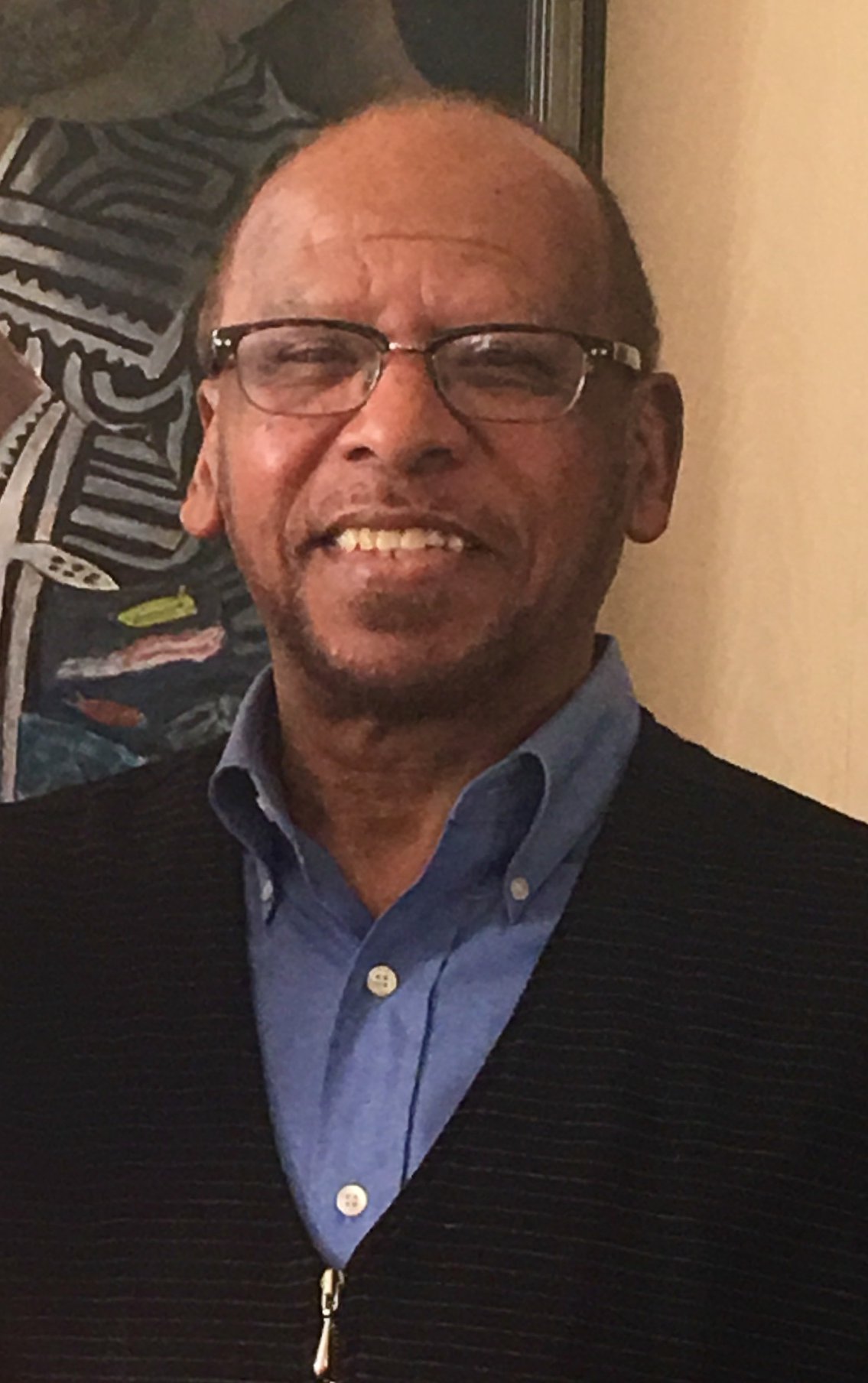
Jeffrey J. “Lefthand” Neal –a drummer, former architect, and current entrepreneur—has worked as a full-time musician for over 16 years. A native Washingtonian, he is a product of the District’s public schools. During his interview for the Washington DC Jazz Oral History Project, he described his indirect educational route to a professional career in music.

“None of my schools had any strong visual [arts] or instrumental music programs . . . I started with the DC Youth Orchestra Program, which was a free program. It had disbanded, and it is back now. . . They did it at [Calvin] Coolidge [Senior High], so we had to go to Coolidge to take the lessons . . .”

“I didn’t get into jazz until I was 40 years old, and I remember that I happened to do a play with Davey Yarborough in 1991. That’s when I met him. Davey Yarborough is the head of the Jazz Studies Program at the Duke Ellington School. I remember asking him the question, “Which jazz album should I buy?” So, I wasn’t even listening to jazz early on, I was listening to Rock . . .”

“I got to take master classes from some of the best in the business: Ed Thigpen, [Leon] Ndugu Chancler, Keith Smith, just a lot of great drummers, just listening and experiencing their master classes. Their main thing was, “You’ve just got to listen to it. Listen to the music. You have to constantly listen to the music.”

Interviewed on April 4, 2017

By Dr. Regennia N. Williams

Life Member, Oral History Association

Founder and Director, The RASHAD Center, Inc.

Photograph Courtesy of Jeffrey J. “Lefthand” Neal


Jeffrey J. “Lefthand” Neal Solos on “One Note Samba”


#WashingtonDCJazz

#DCLegendaryMusicians

#OralHistoryRocks


Posted in Uncategorized | Tagged , , , , , , , | Leave a comment

Washington DC Jazz Oral History Project Chapter 11

“[I]t was on our people’s backs that the area was built and built up.” –The Rev. Dr. Ginger Cornwell

Rev. Dr. Ginger Cornwell

The Rev. Dr. Ginger Cornwell –saxophonist, vocalist, Howard University alumna, and founder of Reaching for the World Ministries–describes her early life in Maryland, part of the “Tobacco Coast.”

“I actually grew up on the outskirts of DC, but practically everything we did was in the city, because we had to come out of there to do it . . . My doctors’ offices, my shopping, my schooling, all of it was here in the heart of the city. Now, a lot of my ministry and most of my playing is in the city.”

“. . . I think back, and I drive to La Plata and Pomonkey [Maryland], and those places now, and it looks nothing at all [like it used to]– I’m not talking about buildings, but every field was tobacco. Just field after field after field of tobacco. Now, people have to go outside and smoke, or they can’t smoke on campuses. But, when it was time to farm the tobacco, we were farming it. We can’t lose sight of all of that.”

“I think that is one of the things that we don’t pass on to our children, not from the perspective of trying to force them to be prejudiced, but so that they understand our history, and they understand that it was on our people’s backs that the area was built and built up.”


Interviewed on April 11, 2017
By Dr. Regennia N. Williams
Life Member, Oral History Association
Founder and Director, The RASHAD Center, Inc.
Photograph Courtesy of the Rev. Dr. Ginger Cornwell
Reaching for the World Ministries
#WashingtonDCJazz
#DCLegendaryMusicians
#OralHistoryRocks
Posted in Uncategorized | Tagged , , , , , , , , | Leave a comment

Washington DC Jazz Oral History Project Chapter 10

Jazz is music that developed in America, but its foundations are rooted in Africa.” —Nasar Abadey

Prof. Nasar Abadey

Prof. Nasar Abadey — Pennsylvania native and award-winning master drummer, educator, and bandleader for SUPERNOVA®–discusses some of the people and places that shaped his artistic vision.

“When I was living in Buffalo, there was an area of town on the east side that had the same kind of commercial zone for jazz as exists now in Washington DC, that exists in Pittsburgh, that exists in New York. All these cities . . Because, at that time, we were segregated, we spent our money in our communities 10, 15 times before it went outside of our communities. So, to hear this music, you could just leave out of your house, walk a few blocks, and you could hear live jazz. That doesn’t exist anymore, not in the African American community.”

“When I first landed in DC, I started working with . . . there were two, the first was Yaya, who plays tenor saxophone, and a musician that I met playing in his band by the name of Brother Ah.”

“When I met Brother Ah, he called me to join his band, and I was looking forward to joining his band, or a band like his, because I was interested in really studying African music, African culture, and the African frame of mind, so to speak, so that I could frame it within my own music, so that I could discover some of myself, some of that culture in the music. So, I worked with him, maybe, five years straight.”

I started to learn that our music is a music of environment. Our music is brought from the environment to any other environment, and it is like a snowball. You can keep rolling the snowball, and it gains more snow, and it gets bigger, and bigger, and bigger. Before you know it, someone walks up on a snowball and says, “Wow, that’s a great big snowball.” They don’t think about how it got that big, they don’t think about its travels and how it got there to be a great big snowball. They don’t realize that in its roll, as it is rolling on the ground, that it is picking up snow, and snow, until it gets bigger.”

“It’s the same thing with African music and the culture in which it is allowed to exist, or creative force. It starts to glue itself together or amalgamate, so that when it gets with other snowballs, they understand each other, and they start to put what they know together—like Bird and Diz did. Diz said, when he heard Bird, ‘Oh, now I know where I belong.’ He is thinking like me, and it’s the same thing with this music.”

We become aware of the fact that we play the music that we hear in our environment. And when we get together as musicians, we start comparing notes, and we start to see that this person over here starts to play something that they heard– dog sounds, or sounds of the crickets, or sounds of the birds, like Eric Dolphy played or practiced with birds, and that’s how he got such an amazing concept of playing on the flute.”

So, I like to think that when our music came to the city, it became the environment of the city, but we’ve got to remember that it came from the blues, and the blues came out of Africa.  Jazz is music that developed in America, but its foundations are rooted in Africa.”

Interviewed on April 9, 2017

By Dr. Regennia N. Williams

Life Member, Oral History Association

Founder and Director, The RASHAD Center, Inc.

Photograph by Nathaniel Rhodes


#WashingtonDCJazz

#DCLegendaryMusicians

#OralHistoryRocks


Posted in Uncategorized | Tagged , , , , , , , | Leave a comment

Washington DC Jazz Oral History Project, Chapter 9

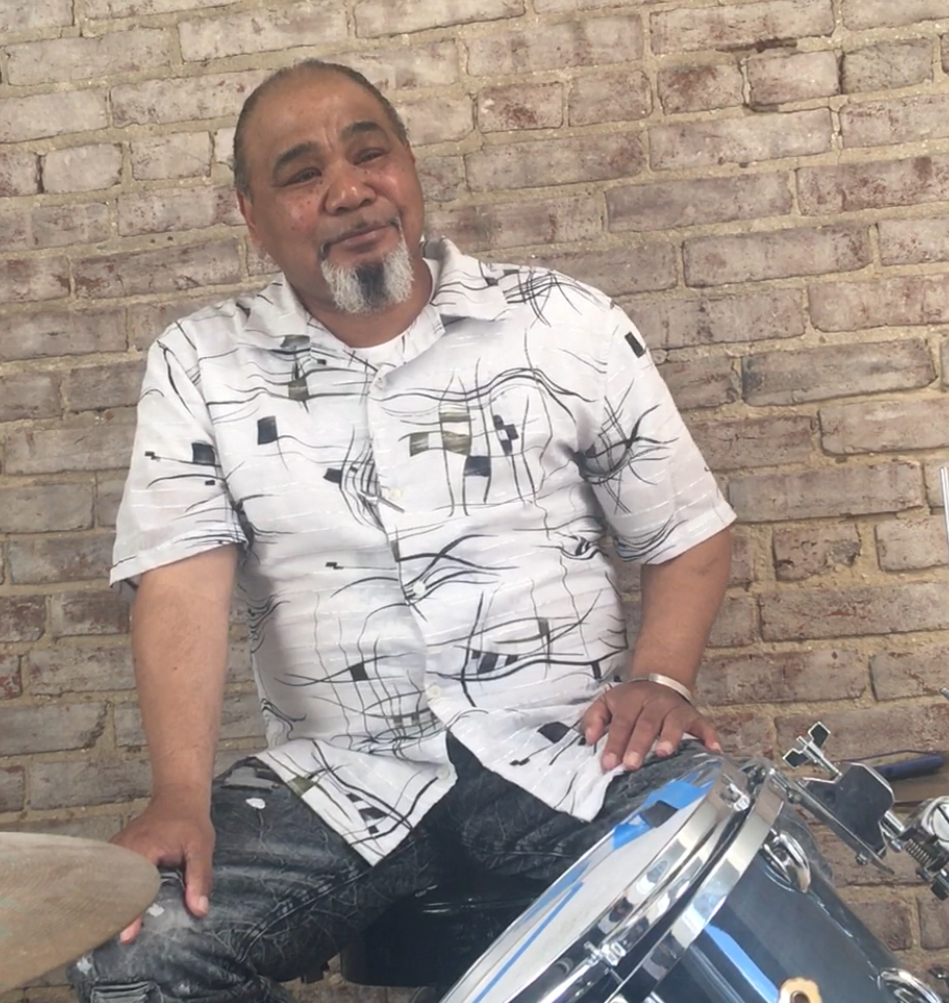
Howard Chichester

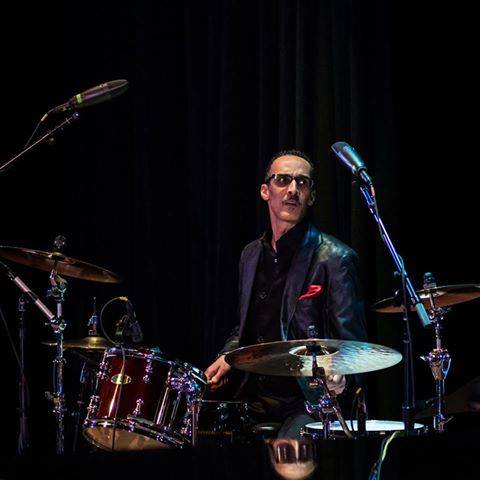
Howard Chichester – a native Washingtonian and professional drummer –played with a number of groups over the years, and retired in 1979. He came out of retirement at the request of a trumpet player that he had recorded with in 1979, and he gave his last public performance in 2012. In his November 2017 interview for the Washington DC Jazz Oral History Project, Chichester discussed the joys of growing up with music, having his own group in the 1970s, and performing at the Top of the Foolery Club.

“I started [playing professionally] in 1960, and over the years I was always playing with other groups. I wasn’t the bandleader. I was always in the rhythm section playing drums, up until 1979. Then, for the first time in my career, I had my own group.”

“It was just a piano, bass, drums, and a vocalist, at a club called The Top of the Foolery on Pennsylvania Avenue. We stayed in there about a year or a year and a half, and it was really great. The music was good. In fact, I think I played better then than I had ever played,”

“I started playing drums when I was about five years old. Back in the 40s, my parents bought me one of those little toy sets that had cardboard drum heads, drumsticks about as long as a pencil, and a little tin pie-plate kind of cymbal. I used to stand up and put the radio on WOOK AM, and play along with the records that came on the radio. Then, when I was about 12, my aunt bought me a semi-professional set.”

“I was always a little guy, so with a drum seat, I would have been off the floor. My legs weren’t long enough to reach the bass drum pedal and the hi-hat, so I stood up until I was about twelve years old playing the drums.”

Interviewed on November 1, 2017
By Dr. Regennia N. Williams
Life Member, Oral History Association
Founder and Director, The RASHAD Center, Inc.
Photograph Courtesy of Dr. Regennia N. Williams
#WashingtonDCJazz
#DCLegendaryMusicians
#OralHistoryRocks
Posted in Uncategorized | Tagged , , , , , , , , , | Leave a comment

Washington DC Jazz Oral History Project, Chapter 7 — Herbert James Scott

“My story begins, as a musician, at the Music Center / Sitar Arts Center in Adams Morgan.”

Herbert James Scott

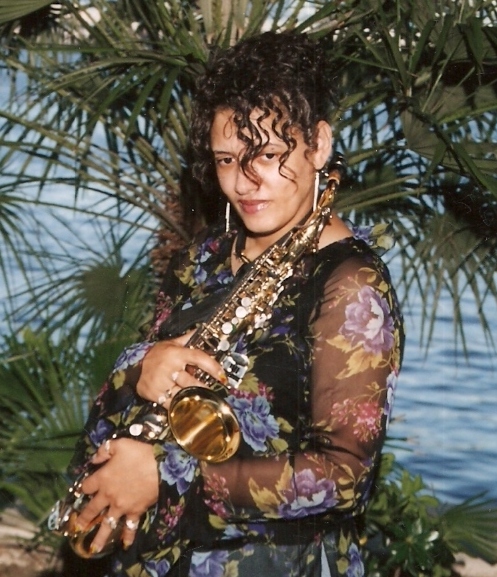
Herbert James Scott–saxophonist, leader of the Herb Scott Quartet, arts activist, and co-founder and Executive Director of the Capitol Hill Jazz Foundation—shared his oral history narrative with me at Mr. Henry’s Restaurant on Pennsylvania Avenue. For Scott, his late father Clayton Scott and teachers in the Metro DC Area and in Michigan were instrumental in shaping his vision as a performing artist.

“My dad was there to help me buy my first saxophone. He took me to my first live performance, where I saw the Smithsonian Jazz Masterworks Orchestra at the Lincoln Theatre . . .”

“My story begins, as a musician, at the Music Center / Sitar Arts Center in Adams Morgan. The founder is a woman named Rhonda Buckley, who is from Michigan. She taught in Michigan and ended up coming to DC. Rhonda Buckley, who was my original mentor—and still is today—was very influential in my beginning at the Sitar Center and at the Levine School of Music. She also urged me to go study at the Duke Ellington School of the Arts.”

“I had met Davey Yarborough at the Music Center just prior to enrolling at Ellington [where he taught]. Davey Yarborough was and is still very influential in my life as a saxophonist and a musician.”

“When I went to Michigan State University, there were two people: Rodney Whitaker, the great bassist and [Director of Jazz Studies], and Diego Rivera, a saxophonist who was my professor. I spent a lot of time with them, and they, too, have been very influential in my career.”

Interviewed on June 14, 2017
By Dr. Regennia N. Williams
Life Member
Oral History Association
Founder and Director
The RASHAD Center, Inc.
Photograph by Dr. Regennia N. Williams
For more information on the Capitol Hill Jazz Foundation, visit
#WashingtonDCJazz
#DCLegendaryMusicians
#OralHistoryRocks
Posted in Uncategorized | Tagged , , , , , , , , , | Leave a comment